
3 days in Oslo
NorwayDay #1
Waterfront, city center, and modern Oslo highlights
08:00
Breakfast at a city-center café (Karl Johans gate area)
09:00
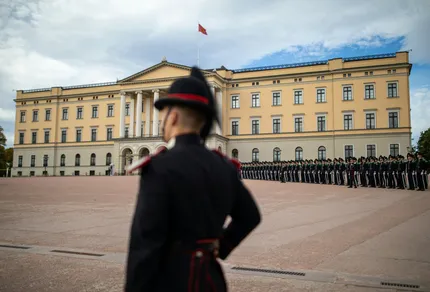
Walk Karl Johans gate to the Royal Palace grounds
Karl Johans gate is Oslo’s main pedestrian-friendly boulevard, running from Oslo Central Station past major landmarks like the Parliament (Stortinget), the National Theatre, and the University area to the Royal Palace. The walk ends at Slottsparken, the palace park, with broad paths, lawns, and views of the palace façade.
10:30
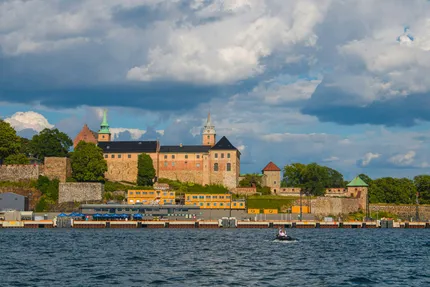
Explore Akershus Fortress and ramparts views
Akershus Fortress (Akershus festning) is a medieval castle and later military stronghold on Oslo’s waterfront. Visitors can walk the ramparts for views over the Oslofjord, Aker Brygge, and the harbor. The grounds are generally open daily and free to enter, while the castle interiors and museums have separate hours and tickets.
12:30
Lunch at Aker Brygge (waterfront restaurants)
14:00
Stroll Tjuvholmen and visit Astrup Fearnley Museum (optional)
Tjuvholmen is a modern waterfront neighborhood in Oslo, known for contemporary architecture, canals, and seaside promenades with views of the Oslofjord. It connects easily to Aker Brygge for cafés and restaurants. The Astrup Fearnley Museum, designed by Renzo Piano, focuses on contemporary art and is a key cultural stop if you choose to visit.
16:00
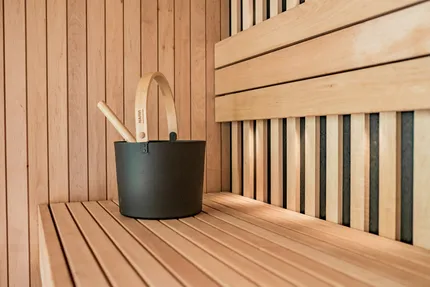
Sauna and fjord dip at SALT (or relax by the harbor)
SALT is a waterfront arts venue in Oslo’s Bjørvika area with public saunas and access to the Oslofjord for cold dips, typically via nearby steps or ladders. Sessions are booked in advance and include changing facilities; bring swimwear and a towel. If you skip the sauna, the harbor promenade offers seating and views of the fjord.
18:30
Dinner in Vika/Aker Brygge
Vika and Aker Brygge are central waterfront areas in Oslo with many restaurants and bars, ranging from casual spots to higher-end dining. Aker Brygge’s promenade offers views of the Oslofjord and nearby islands, and it’s easy to combine dinner with a walk along the harbor. Both areas are well connected by public transport and walking.
20:30
Evening walk along the Oslofjord promenade
An evening walk along Oslo’s Oslofjord promenade offers waterfront views, modern architecture, and easy access to key areas like Aker Brygge, Tjuvholmen, and the Opera House. The route is mostly flat and well lit, with benches, cafés, and public art along the way. Sunset light over the fjord can be especially scenic.
Day #2
Bygdøy museums and a scenic fjord cruise
08:00
Breakfast near Nationaltheatret or Sentrum
09:00
Ferry to Bygdøy peninsula
From central Oslo, take the public ferry across the inner Oslofjord to Bygdøy peninsula, a convenient way to reach several major museums and waterfront areas. Ferries typically depart from the Aker Brygge area and operate seasonally, with more frequent service in summer. The ride is short and offers views of the harbor and islands.
09:30
Visit the Fram Museum (polar exploration)
The Fram Museum on Oslo’s Bygdøy peninsula focuses on Norwegian polar exploration. Its centerpiece is the Fram, a wooden ship used by Fridtjof Nansen and later Roald Amundsen on Arctic and Antarctic expeditions. Exhibits cover life onboard, navigation, and scientific work, with interactive displays and access to parts of the vessel.
11:00
Visit the Kon-Tiki Museum (expedition history)
The Kon-Tiki Museum on Oslo’s Bygdøy peninsula focuses on Norwegian explorer Thor Heyerdahl’s expeditions. It displays the original Kon-Tiki balsa-wood raft used for the 1947 Pacific crossing, along with exhibits on the Ra and Tigris voyages, maps, photos, and documentary film screenings. The museum provides context on experimental archaeology and mid-20th-century exploration.
12:30

Lunch on Bygdøy (museum café or nearby spot)
Bygdøy is Oslo’s museum peninsula, home to the Fram Museum, Kon-Tiki Museum, Norwegian Maritime Museum, and the Norwegian Museum of Cultural History. Several have on-site cafés suitable for a simple lunch, and there are also seasonal waterfront options nearby. It’s a convenient stop between museum visits, reachable by bus or ferry from central Oslo.
14:00
Norwegian Museum of Cultural History (open-air heritage)
The Norwegian Museum of Cultural History (Norsk Folkemuseum) on Bygdøy is an open-air museum showcasing Norway’s cultural heritage. It features historic buildings relocated from across the country, including a medieval stave church, farmsteads, and town houses. Indoors, exhibitions cover folk art, costumes, and everyday life. Seasonal events and demonstrations are often offered.
16:30
Return to the city and relax at the harbor
After returning to central Oslo, unwind along the Oslofjord at Aker Brygge and Tjuvholmen, the city’s main waterfront promenade. Sit by the marina, browse cafés and restaurants, or stroll the boardwalk with views of boats and nearby islands. The area is close to City Hall and the National Museum, making it easy to combine with sightseeing.
18:00
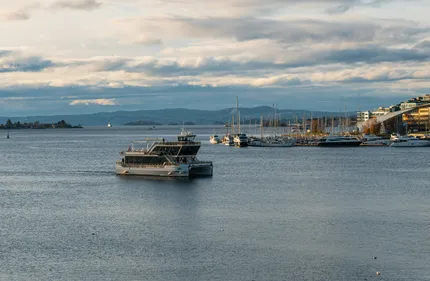
Oslofjord sightseeing cruise (seasonal schedules)
Oslofjord sightseeing cruises depart from central Oslo, typically near City Hall/Aker Brygge, and offer views of islands, waterfront neighborhoods, and landmarks such as the Opera House and Akershus Fortress. Schedules are seasonal: frequent departures in late spring and summer, reduced service in shoulder seasons, and limited or no service in winter. Check operators’ timetables and weather conditions.
20:00
Dinner in Grünerløkka (trendy neighborhood)
Grünerløkka is one of Oslo’s most popular neighborhoods for dinner, known for a dense mix of casual eateries, modern Nordic cooking, and international options. Many places cluster around Thorvald Meyers gate, Markveien, and Olaf Ryes plass. Expect a lively evening atmosphere, especially on weekends, with plenty of bars nearby for a drink after.
21:30
Evening drinks or dessert around Olaf Ryes plass
Olaf Ryes plass is a small square in Grünerløkka, a popular nightlife and dining area in Oslo. For evening drinks, you’ll find nearby bars and cafés along Thorvald Meyers gate and Markveien, many with outdoor seating in warmer months. For dessert, look for cafés and bakeries in the same streets offering pastries, cakes, and coffee.
Day #3
Art, parks, and panoramic views from the hills
08:00
Breakfast at a bakery in Grünerløkka or Sentrum
09:30
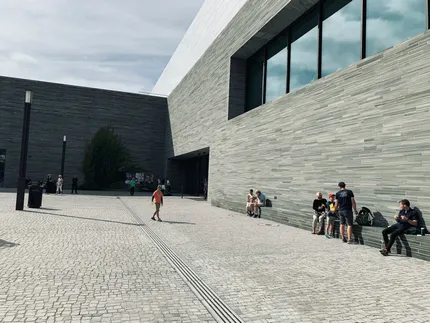
Visit the National Museum (highlights tour)
Oslo’s National Museum (Nasjonalmuseet) is Norway’s largest art museum, bringing together collections of fine art, architecture, design, and decorative arts. A highlights tour typically focuses on key works such as Edvard Munch’s “The Scream” (one version), major Norwegian painting, and notable design objects. Tours provide context on Norway’s cultural history and modern art.
12:00
Lunch at Oslo Street Food (Torggata) or nearby
Oslo Street Food at Torggata Bad is an indoor food hall in central Oslo with multiple vendors and shared seating. It’s a convenient lunch stop with varied options and a casual atmosphere. If it’s busy, nearby alternatives include Mathallen at Vulkan (larger food hall) and cafés along Torggata and Grünerløkka.
13:30
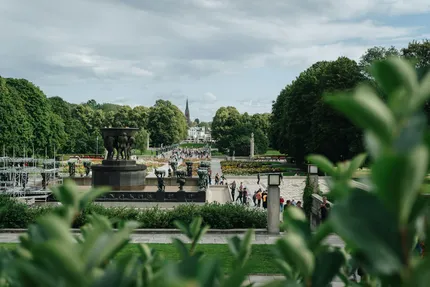
Walk through Vigeland Park (Frogner Park sculptures)
Vigeland Park, within Frogner Park in Oslo, features more than 200 sculptures by Gustav Vigeland in bronze, granite, and cast iron. The open-air installation includes the Monolith, the Wheel of Life, and the Angry Boy, arranged along a central axis. It’s free to enter and accessible year-round, with paths suitable for walking.
15:30
Coffee break in Frogner or Majorstuen
16:30

Metro to Holmenkollen; visit ski jump and museum
Take the Oslo Metro (T-bane) to Holmenkollen station for easy access to Holmenkollen Ski Jump and the Ski Museum. The jump offers panoramic views over Oslo and the fjord, and the museum covers Norway’s skiing history and polar exploration. Allow time for the tower area and exhibits; check seasonal opening hours and tickets.
18:30
Sunset views and short forest walk in Nordmarka (easy trail)
Nordmarka, Oslo’s large forested recreation area north of the city, offers easy trails suitable for a short walk and good sunset views from open clearings and lakeshores. Popular access points include Sognsvann and Frognerseteren, reachable by public transport. Trails are well-marked; bring a headlamp if returning after dusk.
20:00
Dinner back in the city (Sentrum or Majorstuen)
21:30
Evening at the Oslo Opera House rooftop and Bjørvika stroll
Spend an evening at the Oslo Opera House in Bjørvika by walking up the sloping marble roof for panoramic views of the Oslofjord, the city skyline, and nearby islands. The rooftop is publicly accessible and popular around sunset. Afterwards, stroll the Bjørvika waterfront past modern architecture, the Opera’s harborfront, and nearby public spaces and promenades.