
City break inMonaco
Monaco packs a surprising amount into two square kilometers, wedged between the Ligurian Sea and steep Riviera hills. The principality’s centerpiece is Monte-Carlo, where the Belle Époque Casino, the opulent Hôtel de Paris, and polished boutiques cluster around Place du Casino. Down the slope, Port Hercule bristles with superyachts and café terraces, while the seafront Promenade and Larvotto Beach offer an easy coastal stroll and a protected swim. On the Rock (Le Rocher), narrow lanes lead to the Prince’s Palace, the changing of the guard at midday, the Romanesque-Byzantine Cathedral, and cliff-edge viewpoints.
The Oceanographic Museum, long directed by Jacques Cousteau, combines striking architecture with engaging aquariums and sea science exhibits. Culture and events anchor the calendar at the Grimaldi Forum and the opulent Salle Garnier opera house. The city is compact, spotless, and well linked by elevators, escalators, and buses that tame the hills; Nice Airport sits 30 minutes away by road or 7 minutes by helicopter. Dining ranges from beachfront cafés to Michelin-starred tables, and cosmopolitan nightlife centers on the casinos, lounges, and harbor clubs.
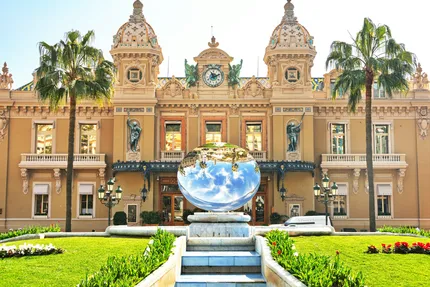
Monte-Carlo Casino & Casino Square
Monaco’s Belle Époque icon. Admire the ornate gaming halls, chandeliers, and artwork, or simply people‑watch on Casino Square among supercars, the Hôtel de Paris, and Café de Paris. Evening dress code applies inside; photography restricted. Non‑gamblers can visit by day or tour the historic salons for architecture and history. Reservations recommended for guided visits.
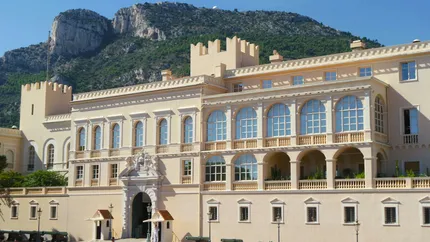
Prince’s Palace of Monaco
Seat of the Grimaldi dynasty atop Le Rocher. Tour the State Apartments’ frescoes, tapestries, and Throne Room (seasonal openings), and catch the daily changing of the guard at 11:55. The ramparts and terraces deliver sweeping views over Port Hercule and Fontvieille. Combine with Monaco‑Ville’s lanes and nearby cathedral. Audio guides enrich context.
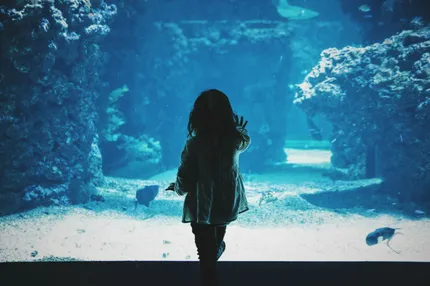
Oceanographic Museum of Monaco
Perched on a cliff above the sea, this museum and aquarium founded by Prince Albert I showcases Mediterranean and tropical marine life, historic expeditions, and contemporary oceanography. Highlights include shark lagoon tanks, touch pools for kids, and a panoramic rooftop terrace. Buy timed tickets in advance during peak season. Allow two hours to explore.
Monaco Grand Prix Circuit (self-guided)
Experience the Formula 1 circuit on foot or by bus when it reverts to public roads. Trace the start‑finish straight, Sainte‑Dévote, the Fairmont hairpin, tunnel, and Piscine chicanes, using track plaques as markers. Early mornings offer lighter traffic. Visit the Automobile Club boutique for memorabilia and race‑week displays. May be disrupted near events.
Port Hercule Marina
Monaco’s deep‑water harbor is lined with megayachts, sleek tenders, and waterfront terraces. Stroll the quays for close‑up views, ride the Bateau Bus across the port, or relax at cafés facing the start‑finish straight. Seasonal events include the Monaco Yacht Show and winter village. Sunset light is ideal for photos. Elevators link quays to town.
Monaco‑Ville Old Town Walk
Explore Le Rocher’s medieval lanes, pastel houses, and calm squares. Wander the free St‑Martin Gardens along the cliffs, with Mediterranean pines and sea views, and find overlooks toward Port Hercule and Fontvieille. Small museums, souvenir shops, and cafés cluster near the palace. Wear comfortable shoes; streets are cobbled and sloped.
Larvotto Beach & Promenade
Monaco’s main public beach offers protected swimming, clear water, and a redesigned promenade with showers, changing facilities, and family‑friendly restaurants. Rent loungers at private sections or lay a towel on the free pebbly stretches. Mornings are quieter; afternoons fill quickly in summer. The seafront walkway connects easily to the Grimaldi Forum and Japanese Garden.
Japanese Garden (Jardin Japonais)
A serene landscaped garden blending waterfalls, koi ponds, stone lanterns, and a tea pavilion, created with Japanese designers on Monte‑Carlo’s seafront. Paths loop through maples, pines, and bamboo, with benches for a quiet pause away from traffic. Entry is free; it’s compact yet photogenic, especially in late afternoon light. Open daily, limited evening hours.
Monaco Cathedral (Cathédrale Notre-Dame-Immaculée)
Roman‑Byzantine cathedral built in white stone, notable for the tombs of Princess Grace and Prince Rainier III. Step inside for mosaics, a grand organ, and a serene nave used for national ceremonies. Modest dress is required; entry is free outside services. Combine with palace and Oceanographic Museum nearby. Check hours before visiting.
Who should visit Monaco
Monaco suits travelers who like dense, premium experiences in a small, walkable area. Luxury seekers find flagship boutiques in the Carré d’Or, glamorous hotel bars, and classic casino rooms, from ornate salons to more relaxed slots and tables at Casino Café de Paris. Food-focused visitors can plan a weekend around Michelin-starred restaurants, waterfront sushi and Italian spots, and refined hotel brunches. Motor‑racing fans should time a visit for Grand Prix week or track their favorite corners year‑round along the harborfront and up to Casino Square. Culture lovers will appreciate the Oceanographic Museum, the Prince’s Palace State Apartments (open seasonally), and performances at the jewel-box Salle Garnier. Couples and friends looking for a polished short break can mix beach time at Larvotto, sunset drinks on the port, and a concert at the Grimaldi Forum.
Families do well with the aquariums, small playgrounds, and easy public transport; distances are short and wayfinding is clear. Photographers get dramatic viewpoints from Le Rocher and the sea walls. Monaco is less about all-night partying or wilderness activities and more about refined leisure, design, and people‑watching.
It suits weekenders from Nice, Paris, London, or Milan who value comfort, safety, and convenience and are comfortable with higher prices. Art fans can add the Nouveau Musée National de Monaco’s Villa Sauber or Villa Paloma, and wellness travelers have excellent hotel spas and seafront jogging routes.

Best time to visit Monaco
The best time to visit Monaco is late spring and early autumn. From April to June, days are warm (highs around 18–24°C), the sea begins to warm, and crowds are lighter than midsummer. Late May brings the Monaco Grand Prix: unforgettable, but hotels sell out and prices soar. September and early October deliver similar weather, clearer water, and fewer families, though the Monaco Yacht Show in late September spikes demand. July–August are hot, busy, and expensive. Winter is mild and quiet, with some attractions on shorter hours and the sea chilly; October–November are the rainiest months.
Three top reasons for a city trip to Monaco
- Indulge in Monaco’s signature glamour: Monte-Carlo Casino, Hôtel de Paris, designer boutiques in the Carré d’Or, superyachts in Port Hercule, Michelin-star dining, chic beach clubs at Larvotto, and Riviera nightlife.
- Experience the Monaco Grand Prix’s legendary street circuit: Fairmont hairpin, chicane by harbor, tunnel blast, Rascasse; balcony viewpoints, superyachts trackside, Historic Grand Prix, and Prince’s Car Collection celebrating motorsport heritage.
- Explore Monaco-Ville’s cliff-top heritage: Prince’s Palace State Apartments, guard ceremony, Cathedral with Grimaldi tombs, Oceanographic Museum’s aquariums and rooftop views, Jardin Exotique succulents, Japanese Garden tranquility, and Larvotto Beach sands.
Monaco is compact and highly walkable, but steep hills and stairs are common. The principality has a strong network of free public lifts and escalators that link districts like La Condamine, Monte-Carlo, and Fontvieille, making on-foot travel practical. The Compagnie des Autobus de Monaco runs frequent buses on core routes (1-6 and night line N) that cover the whole territory and nearby Cap d'Ail/Beausoleil; tickets can be bought on board or via app/passes. Cycling is improving: MonaBike e-bike share has docks across the city and electric assist helps with gradients, though traffic and tunnels can feel busy for novices. Taxis are available at stands and via the Monaco Taxis app; ride-hailing platforms have limited or no pickup service inside Monaco. Driving is possible but not recommended; parking is expensive, streets are one-way, and congestion peaks during events (Grand Prix, yacht shows). If you must drive, use public car parks signed P and continue on foot or bus. For mobility needs, plan lift routes and bus connections.
This content was created with AI assistance and may contain inaccuracies.