
2 days in Monaco
MonacoDay #1
Old Town, palace views, harbor, Monte Carlo night
08:30
Breakfast at Café de Paris area (coffee + pastry)
09:30
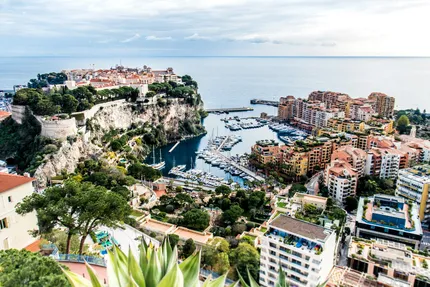
Walk up to Monaco-Ville (Old Town) via scenic streets
Monaco-Ville (the Old Town) sits on a rocky promontory above Port Hercule. Walking up from the harbor or Monte Carlo takes you through narrow streets and stairways with viewpoints over the marina and coastline. The route leads to the pedestrian old town around Place du Palais, near the Prince’s Palace, Saint Nicholas Cathedral, and small shops and cafés.
10:00
Prince’s Palace Square and panoramic viewpoints
Prince’s Palace Square (Place du Palais) sits atop Monaco-Ville and fronts the Prince’s Palace, offering views over Port Hercule and the Mediterranean. Visitors come for the daily changing of the guard (typically late morning) and to explore nearby panoramic terraces and lanes of the old town. The area is walkable, with viewpoints along the Rock.
11:00
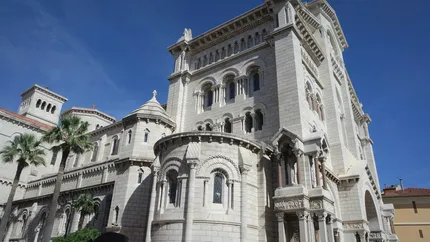
Saint Nicholas Cathedral visit
Visit Saint Nicholas Cathedral (Cathédrale de Monaco), a Romanesque-Byzantine church built in 1875–1903 from white stone. It is the seat of the Archdiocese of Monaco and the burial place of Prince Rainier III and Princess Grace. Inside, see the altar, chapels, and organ; check opening hours and dress respectfully.
11:45
Stroll Old Town lanes and small shops
In Monaco, stroll the narrow lanes of Monaco-Ville (the Old Town) on the Rock. Pedestrian streets lead past small boutiques, souvenir shops, cafés, and local services clustered around Place Saint-Nicolas and near the Prince’s Palace. The area is compact and walkable, with viewpoints over Port Hercule and the Mediterranean.
12:30
Lunch in Monaco-Ville (classic Mediterranean bistro)
14:00
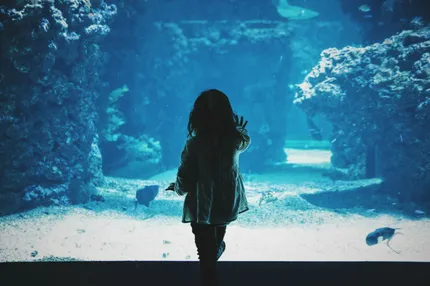
Oceanographic Museum of Monaco
The Oceanographic Museum of Monaco, set on a cliff above the Mediterranean, is a major marine science and public education museum founded in 1910. It features aquariums with Mediterranean and tropical species, exhibits on ocean exploration and conservation, and collections linked to Prince Albert I’s research. Terraces and viewpoints overlook Monaco’s harbor.
16:00
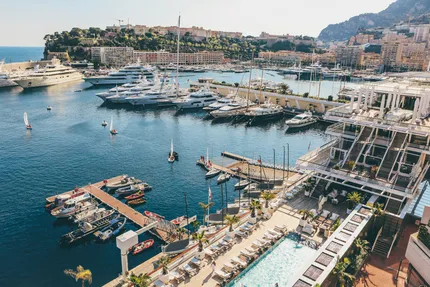
Walk down to Port Hercule and harbor promenade
Port Hercule is Monaco’s main deep-water harbor, set between Monte Carlo and La Condamine. Walking the harbor promenade lets you see superyachts, cruise ships, and the surrounding hillsides of dense cityscape. The route passes cafés, the Yacht Club area, and viewpoints toward the Prince’s Palace, with easy access to nearby streets and public transport.
17:00
Relax with gelato/coffee by the port; yacht-spotting
18:30
Return to hotel and freshen up
19:30
Dinner in Monte Carlo (seafood or Niçoise-inspired cuisine)
Monte Carlo offers many options for seafood and Niçoise-inspired dining, from brasseries to fine-dining restaurants. Look for local Mediterranean staples such as grilled fish, shellfish, and dishes influenced by nearby Nice, including salade niçoise, pissaladière, and socca. Reservations are often recommended, especially in peak season, and dress codes may apply in upscale venues.
21:00
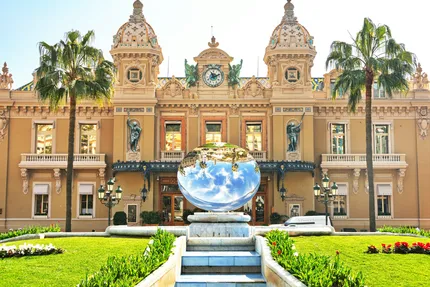
Evening stroll: Casino Square, Hôtel de Paris, luxury car-spotting
An evening stroll around Monte Carlo’s Casino Square centers on the Belle Époque Casino de Monte-Carlo and the adjacent Hôtel de Paris. The area is brightly lit at night and is a popular spot to admire architecture, window displays, and the terrace cafés. Luxury car-spotting is common here, especially along Avenue de Monte-Carlo and nearby streets.
22:30
Optional: Casino de Monte-Carlo visit or cocktail lounge
In Monaco, you can visit the Casino de Monte-Carlo, a landmark Belle Époque casino in Monte-Carlo. Public areas can be viewed with an entry ticket; access to gaming rooms is restricted to adults with valid ID and a dress code. Alternatively, nearby hotel bars and cocktail lounges around Place du Casino offer drinks in a classic setting.
Day #2
Gardens, beach time, F1 sights, sunset drinks
08:30
Breakfast near Larvotto (light breakfast + espresso)
09:30
Japanese Garden visit (quiet morning stroll)
Monaco’s main Japanese Garden (Jardin Japonais) in Larvotto is a compact, tranquil space designed with traditional elements such as a koi pond, small bridges, lanterns, and a tea pavilion. Visiting in the morning is typically quieter and cooler, making it ideal for a slow stroll and photos. Entry is free; check opening hours seasonally.
10:30
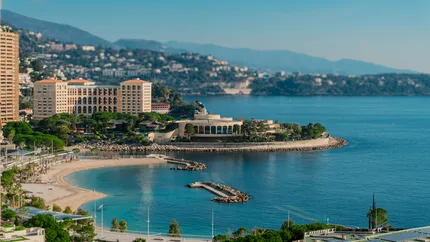
Larvotto Beach time and seaside walk
Larvotto Beach is Monaco’s main public beach, set along the Larvotto district with clear water and a protected swimming area. A seaside promenade runs beside the beach, linking to cafés, restaurants, and nearby hotels. It’s suitable for sunbathing, swimming in calm conditions, and an easy coastal walk with views over the Mediterranean.
12:30
Lunch at Larvotto (salads, grilled fish, or pasta)
14:00
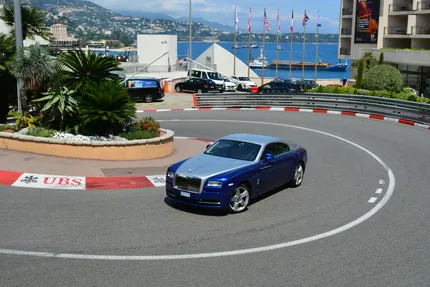
Walk the Formula 1 highlights: Fairmont Hairpin + tunnel area viewpoints
In Monaco, you can follow parts of the Formula 1 Monaco Grand Prix circuit on foot. The Fairmont Hairpin (formerly Loews) is the slowest corner in F1 and is easy to view from nearby sidewalks. Continue toward the tunnel entrance/exit area for classic track perspectives; viewpoints are best outside race-week closures.
15:30
Jardin Exotique area for dramatic cliffside views (if open) or alternative viewpoint walk
Monaco’s Jardin Exotique area sits high above the port, offering dramatic cliffside panoramas over the city and Mediterranean. The garden itself has had periods of closure for renovation, so check current access before visiting. If it’s closed, walk to nearby public viewpoints around the Tête de Chien/La Turbie side or along the Chemin des Révoires for elevated views.
17:00
Shopping and people-watching around Métropole/Monte Carlo boutiques
Around Monte-Carlo’s Métropole Shopping Center and nearby streets, you’ll find luxury boutiques, designer fashion, jewelry, and watch stores clustered close to Place du Casino. The area is well suited to window-shopping and people-watching, with cafés and hotel terraces offering views of passing visitors and high-end cars. Expect upscale prices and a polished, quiet atmosphere.
18:30
Pre-dinner aperitif with a view (rooftop or harbor-side)
In Monaco, a pre-dinner aperitif with a view is best enjoyed at rooftop terraces around Monte-Carlo or harbor-side venues overlooking Port Hercule. Expect classic cocktails, Champagne, and light bites as yachts and the city lights come on. Arrive near sunset for the best panorama, and note that smart-casual dress is often expected.
19:30
Dinner in Fontvieille or Port Hercule (waterfront dining)
Fontvieille and Port Hercule are Monaco’s main waterfront areas for dinner with harbor views. Port Hercule lines the central yacht marina near Monte-Carlo, with restaurants along the quays and around the promenade. Fontvieille is a quieter marina district by the Rock, offering terrace dining and easy access to the Princess Grace Rose Garden.
21:00
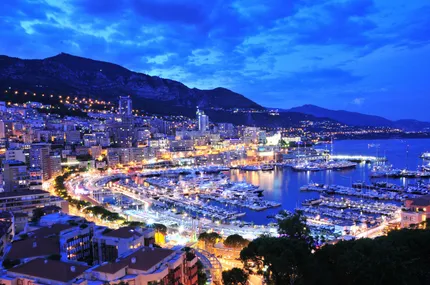
Sunset/evening walk along the harbor and lit-up skyline photos
Monaco’s harbor area around Port Hercule is well suited for a sunset or evening walk, with views of yachts, the Rock of Monaco, and city lights reflecting on the water. For skyline photos, look across the port toward Monte Carlo’s hillside buildings and the illuminated waterfront. The promenade and nearby viewpoints offer clear sightlines after dark.