
3 days in Melbourne
AustraliaDay #1
Explore the CBD, laneways, and iconic cultural spots
08:00
Breakfast at Pellegrini's Espresso Bar, a Melbourne institution
Pellegrini's Espresso Bar on Bourke Street has been a Melbourne institution since 1954. One of the city's first espresso bars, it retains its original decor, including a long counter, swivel stools and a vintage coffee machine. Breakfast here means strong Italian coffee, simple pastries and a no-frills atmosphere that has barely changed in decades. It remains family owned and genuinely unpretentious.
09:30
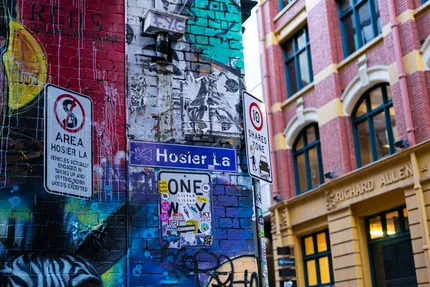
Explore Hosier Lane and its famous street art
Hosier Lane is one of Melbourne's most celebrated laneways, renowned for its ever-changing street art and graffiti culture. Located in the CBD near Federation Square, the cobblestone lane attracts local and international artists who layer murals across its walls. The artwork shifts constantly, reflecting social commentary, abstract design, and bold creativity. It is a must-visit cultural landmark and one of the most photographed spots in the city.
10:30
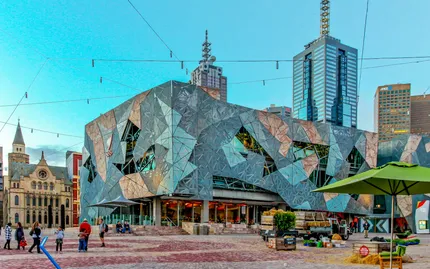
Visit Federation Square and the Ian Potter Centre
Federation Square is a vibrant cultural precinct in Melbourne's city centre, built around a distinctive geometric facade. The Ian Potter Centre, located within the square, houses the National Gallery of Victoria's Australian art collection, spanning colonial paintings to contemporary works. Entry to the permanent collection is free. The square itself serves as a popular gathering place and hosts regular events, markets, and public screenings throughout the year.
12:30
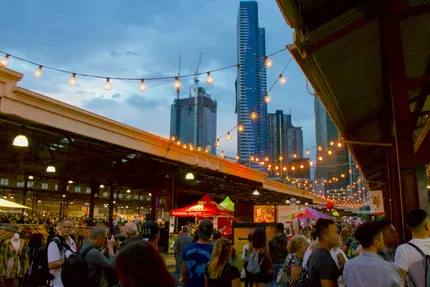
Lunch at Queen Victoria Market food stalls
Queen Victoria Market is one of Melbourne's most iconic landmarks, operating since 1878. The food hall and outdoor market stalls offer an impressive variety of cuisines, fresh produce, deli goods, and street food. Grab everything from gourmet sandwiches and hot donuts to international dishes. It's a lively, authentic Melbourne experience ideal for a casual lunch while exploring one of the Southern Hemisphere's largest open-air markets.
14:00
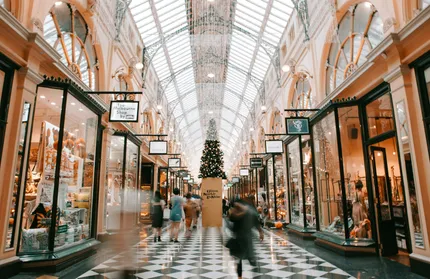
Stroll through the historic Royal Arcade and Block Arcade
Melbourne's Royal Arcade (1869) and Block Arcade (1892) are beautifully preserved Victorian-era shopping arcades in the CBD. Royal Arcade features the famous Gog and Magog clock figures, while Block Arcade showcases stunning mosaic tile floors and ornate architecture. Both house independent boutiques, cafes, and specialty shops. They offer a glimpse into Melbourne's 19th-century commercial heritage and remain popular destinations for locals and visitors alike.
15:30
Visit the State Library of Victoria
The State Library of Victoria, founded in 1854, is one of Australia's oldest and most visited public libraries. Located on Swanston Street in the city center, it houses over two million items including rare manuscripts, photographs, and historical artifacts. The stunning La Trobe Reading Room, with its iconic domed ceiling, is a highlight. Entry is free, and the library regularly hosts exhibitions and public programs.
17:00
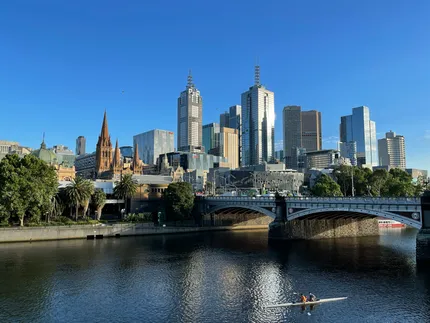
Walk along the Yarra River promenade
The Yarra River promenade stretches through the heart of Melbourne, offering a scenic walking route past key landmarks including Federation Square, Flinders Street Station, and the Southbank precinct. The path connects parks, public art installations, and waterfront dining options. Both banks are accessible and well-maintained, making it a popular route for walkers, joggers, and cyclists at any time of day.
18:30
Sundowner drinks at a rooftop bar in the CBD
Melbourne's CBD offers several rooftop bars perfect for catching the sunset with a drink in hand. Rooftop Bar on Swanston Street is a longtime favourite, while spots like Naked in the Sky and 1000 Pound Bend draw crowds for their city views. The atmosphere shifts from relaxed afternoons to buzzing evenings, making sundowners a popular Melbourne ritual year-round, weather permitting.
20:00
Dinner at Chin Chin restaurant on Flinders Lane
Day #2
Markets, gardens, and bayside charm in St Kilda
08:00
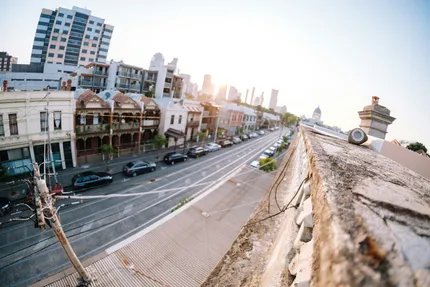
Breakfast at a café in Fitzroy
Fitzroy is one of Melbourne's oldest and most characterful inner suburbs, known for its vibrant café culture. Brunswick Street and Smith Street are lined with independent cafés serving specialty coffee and creative brunch menus. The neighborhood has a relaxed, artistic atmosphere with a mix of locals, students, and creatives. Expect strong espresso, sourdough toast, and inventive egg dishes in unpretentious surroundings that reflect Melbourne's renowned coffee and brunch scene.
09:30
Browse the boutiques and vintage shops on Brunswick Street
Brunswick Street in Fitzroy is one of Melbourne's most eclectic shopping strips. Independent boutiques, vintage clothing stores, record shops, and bookstores line the street alongside cafes and bars. It reflects Melbourne's alternative culture, offering a mix of locally designed fashion, secondhand treasures, and unique homewares. Whether you are hunting for retro finds or contemporary Australian design, Brunswick Street provides a genuinely local retail experience distinct from mainstream shopping centres.
11:00
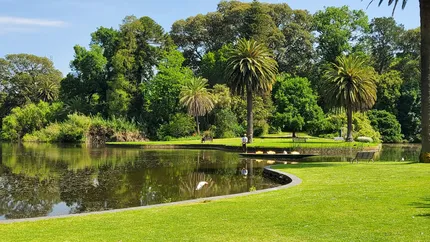
Visit the Royal Botanic Gardens Victoria
The Royal Botanic Gardens Victoria, established in 1846, sits on 38 hectares beside the Yarra River in South Yarra. Home to over 8,500 plant species, the gardens offer a peaceful retreat from the city. Highlights include the Guilfoyle's Volcano, the Ian Potter Foundation Children's Garden, and the National Herbarium. Free guided walks and seasonal events make it a rewarding visit year-round.
13:00
Lunch at South Melbourne Market
South Melbourne Market is a beloved institution dating back to 1867. Browse stalls selling fresh produce, artisan goods, and international street food. The market is particularly famous for its dim sims, a local Melbourne icon. Located in the inner suburb of South Melbourne, it operates on Wednesdays, Fridays, weekends, and public holidays, making it a convenient and authentic lunch destination.
14:30
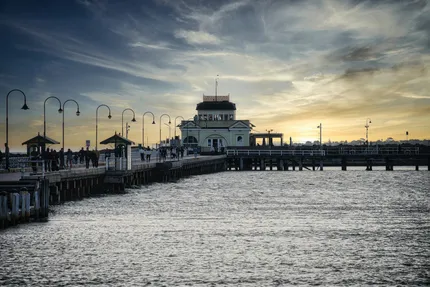
Head to St Kilda and walk along the iconic pier
St Kilda Pier is one of Melbourne's most recognisable landmarks, stretching 150 metres into Port Phillip Bay. The walk offers sweeping views of the Melbourne skyline and the bay. At the pier's end sits a historic kiosk dating back to 1904. The breakwater is also home to a colony of little penguins that can be spotted at dusk returning to their nests beneath the rocks.
15:30
Visit Luna Park and the Esplanade
Luna Park is a heritage-listed amusement park that has operated since 1912 on the foreshore of Port Phillip Bay in St Kilda. Its iconic Mr Moon entrance face is one of Melbourne's most recognizable landmarks. Adjacent to the park, the St Kilda Esplanade runs along the bay, offering views of the water, a popular Sunday market, cafes, and a pleasant promenade for walking and cycling.
16:30
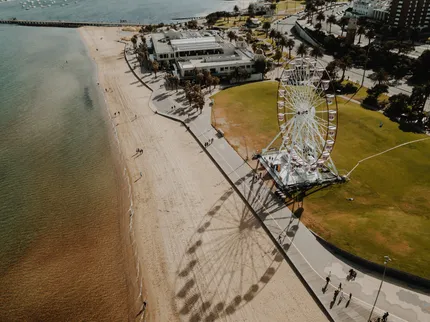
Relax on St Kilda Beach
St Kilda Beach is one of Melbourne's most popular seaside destinations, located about 6km from the city centre. The beach offers calm waters suitable for swimming, along with a vibrant foreshore with cafes, restaurants and bars nearby. The iconic St Kilda Pier, the historic Luna Park amusement park and the Sunday Esplanade Market make this area a well-rounded destination beyond just the beach itself.
18:00
Watch the Little Penguins return to their burrows at dusk
At Phillip Island, about 90 minutes from Melbourne, the Penguin Parade is a nightly natural spectacle where the world's smallest penguins waddle ashore after a day of fishing at sea. Visitors gather at the beach at sunset to watch hundreds of little penguins emerge from the water and make their way to their burrows. The experience is managed by the Phillip Island Nature Parks.
19:30
Dinner at Acland Street for cake and dining options
Acland Street in St Kilda is one of Melbourne's most iconic dining strips, best known for its famous cake shops displaying elaborate European-style pastries and tortes. The street also offers a wide range of restaurants, cafes, and casual eateries serving cuisines from around the world. It has a lively, bohemian atmosphere and is especially popular on weekends when locals and visitors gather to eat, stroll, and people-watch.
Day #3
Day trip to the Yarra Valley wine and nature region
07:30
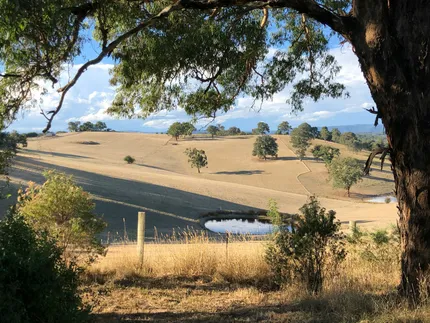
Early breakfast and depart Melbourne for Yarra Valley
Start your day early with breakfast before heading out of Melbourne toward the Yarra Valley, approximately one hour east of the city. The drive takes you through the outer suburbs and into rolling green hills, vineyards, and farmland. The Yarra Valley is Victoria's premier wine region, known for cool-climate wines, gourmet produce, and scenic landscapes, making the journey itself a pleasant introduction to the day ahead.
09:30
Visit Healesville Sanctuary to see native Australian wildlife
Healesville Sanctuary, about 60km east of Melbourne in the Yarra Valley, is a world-class zoo dedicated to native Australian wildlife. Home to koalas, wombats, platypuses, kangaroos, and Tasmanian devils, it offers close encounters with animals in natural bush settings. The sanctuary also plays an important role in wildlife conservation and breeding programs. A full visit typically takes three to four hours.
12:00
Lunch at a winery restaurant in the Yarra Valley
The Yarra Valley, about an hour from Melbourne, is Victoria's premier wine region and home to numerous winery restaurants offering long lunches paired with local cool-climate wines. Venues like Healesville's Oakridge or De Bortoli offer seasonal menus showcasing regional produce alongside estate wines. The rolling vineyard scenery makes it a popular day trip from the city, especially on weekends.
13:30
Wine tasting at De Bortoli or Domaine Chandon winery
The Yarra Valley, about an hour from Melbourne, is home to acclaimed wineries including De Bortoli and Domaine Chandon. De Bortoli is known for its award-winning sticky wines and relaxed cellar door, while Domaine Chandon specializes in sparkling wines using traditional French methods. Both offer tastings and vineyard views, making them popular day trip destinations from Melbourne.
15:30
Explore the scenic Yarra Valley countryside
The Yarra Valley, located about an hour east of Melbourne, is a picturesque region known for its rolling green hills, cool-climate wineries, and farmland. Visitors can explore over 80 cellar doors, taste local produce, and enjoy views across the valley. The area also borders the Yarra Ranges National Park, offering bushwalking trails and wildlife encounters, making it a popular day trip from the city.
17:00
Drive back to Melbourne
The drive back to Melbourne marks the end of your journey. Depending on your starting point, the return route may take you through scenic countryside, regional towns, or major highways. Plan your departure time to avoid peak-hour traffic entering the city, particularly on the Monash or Tullamarine freeways. Ensure you have fuel, snacks, and a confirmed accommodation or drop-off point arranged in advance.