
City break inMelbourne
Melbourne is Australia's second-largest city and the capital of Victoria, widely regarded as the country's cultural capital. Built around the Yarra River and Port Phillip Bay, the city combines grand Victorian-era architecture with a forward-thinking design sensibility. Melbourne's reputation rests heavily on its food scene, which reflects the city's diverse immigrant communities, from Italian enclaves in Carlton to Vietnamese precincts in Footscray. The laneway culture is central to Melbourne's identity, with narrow alleys hiding specialty coffee roasters, street art by internationally recognised artists, and some of the city's best restaurants.
The city also has a serious passion for sport, particularly Australian Rules Football, cricket and tennis, with the Melbourne Cricket Ground and Rod Laver Arena serving as iconic venues. Neighbourhoods like Fitzroy, Collingwood and St Kilda each carry their own distinct character, making the city well-suited to exploration on foot or by tram. Melbourne's extensive tram network is free within the central city zone and provides an easy way to move between precincts.
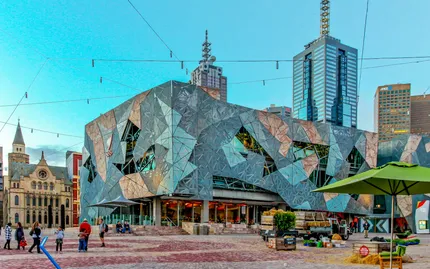
Federation Square
The cultural heart of Melbourne, Federation Square is a striking architectural complex housing galleries, cinemas, restaurants, and event spaces. The Ian Potter Centre holds an impressive collection of Australian art, including works by Indigenous artists. The square serves as the city's main gathering point for major events and celebrations, and sits beside the Yarra River in the CBD.
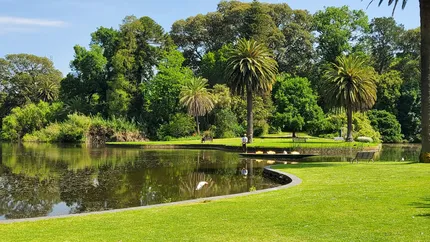
Royal Botanic Gardens
One of the finest botanic gardens in the world, spanning 38 hectares along the Yarra River. The gardens contain over 8,500 plant species from Australia and around the globe. Visitors can stroll through themed gardens, join guided walks, or attend outdoor cinema events in summer. The adjoining Kings Domain adds further green space right next to the city center.
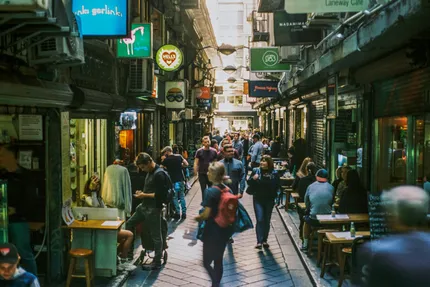
Melbourne Laneways
Melbourne's famous network of narrow laneways is home to some of the city's best street art, independent cafes, bars, and boutiques. Hosier Lane, Degraves Street, and Centre Place are iconic examples. The constantly evolving street art scene draws visitors from around the world. Exploring these laneways reveals the creative and bohemian character that defines Melbourne's unique urban culture.
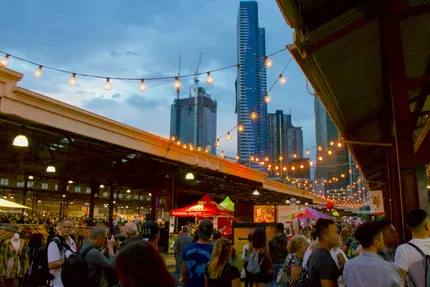
Queen Victoria Market
Queen Victoria Market is one of Melbourne's most iconic landmarks, operating since 1878. Spread across 7 hectares, it is one of the largest open-air markets in the Southern Hemisphere. Visitors can browse hundreds of stalls selling fresh produce, meat, seafood, deli goods, clothing, and souvenirs. The market also hosts seasonal night markets and events, making it a vibrant hub for locals and tourists alike.
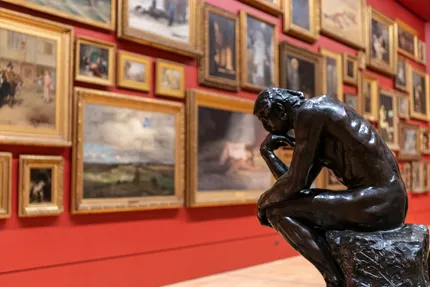
National Gallery of Victoria
Australia's oldest and most visited art museum, the NGV is split across two venues. NGV International on St Kilda Road houses an extensive international collection spanning thousands of years of art history. Entry to the permanent collection is free. Major ticketed blockbuster exhibitions attract visitors year-round, making it one of Melbourne's most important cultural institutions.
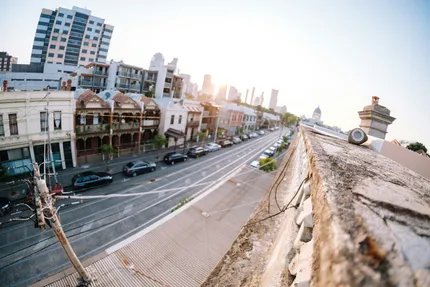
Fitzroy and Collingwood
These neighboring inner-city suburbs are hubs of Melbourne's creative scene. Brunswick Street and Smith Street are lined with independent restaurants, vintage stores, galleries, and bars. The area has a distinctly bohemian character and is ideal for browsing, eating, and people watching. Street art is prominent throughout, and the nightlife here is some of the most vibrant in the city.
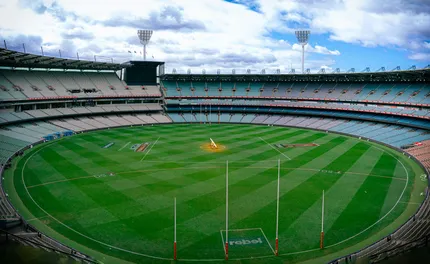
Melbourne Cricket Ground
Known as the MCG, this iconic stadium holds over 100,000 people and is one of the largest sports venues in the world. It hosts Australian Rules Football, cricket, and major events. The adjacent National Sports Museum traces Australia's deep sporting history. Stadium tours run on non-event days, offering access to the stands, change rooms, and playing surface.
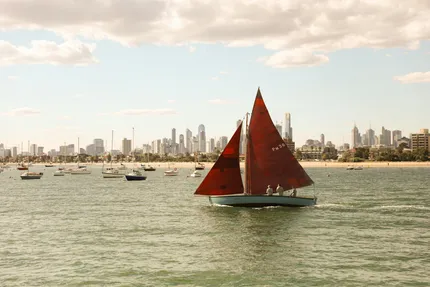
St Kilda Beach
Melbourne's most popular beach suburb sits just 6 kilometers from the CBD. The Esplanade along the foreshore is lined with cafes, restaurants, and bars. Luna Park, an old-fashioned amusement park, sits at the base of the pier. The Sunday market along the Esplanade sells art and handmade goods. The pier offers views of the city skyline and resident little penguins at dusk.
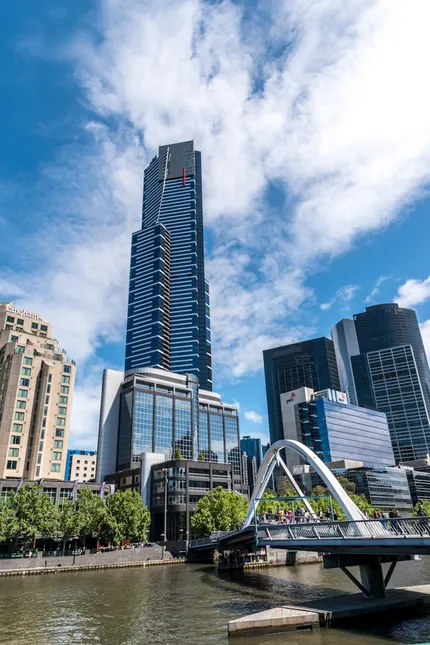
Eureka Skydeck
Located in the Eureka Tower in Southbank, the Skydeck on level 88 sits 285 meters above the city and offers panoramic views of Melbourne and its surrounding suburbs. The Edge attraction features a glass cube that extends out from the building, allowing visitors to stand above the city with a clear view directly downward. Best visited around sunset for dramatic lighting.
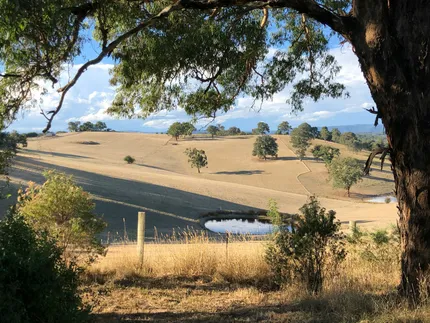
Yarra Valley Day Trip
Less than an hour from Melbourne, the Yarra Valley is one of Victoria's premier wine regions. Over 80 cellar doors offer tastings of cool-climate wines, particularly Pinot Noir and Chardonnay. The region also features gourmet food producers, rolling hills, and wildlife parks. It makes for an excellent full-day excursion combining wine, food, and scenery just outside the city.
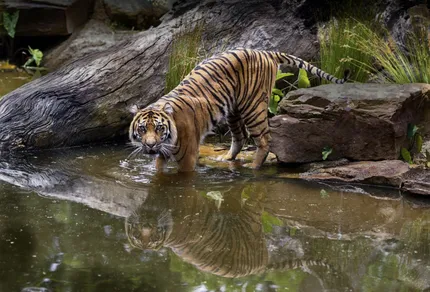
Melbourne Zoo
Melbourne Zoo, located in Royal Park just north of the CBD, is Australia's oldest zoo, opening in 1862. It houses over 320 animal species across naturalistic habitats, including gorillas, lions, elephants, and native Australian wildlife. Visitors can explore themed precincts, watch keeper talks, and participate in conservation programs. The zoo is easily accessible by tram and offers engaging experiences for all ages.
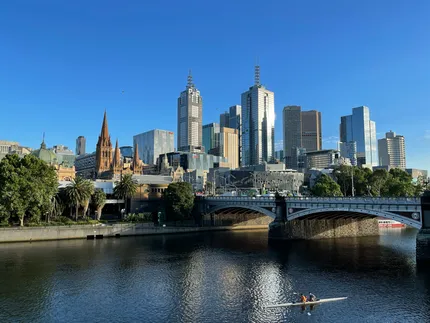
Southbank and the Arts Precinct
Southbank sits along the southern bank of the Yarra River opposite the CBD. The promenade is lined with restaurants and bars, and the Arts Centre Melbourne anchors a precinct that includes the Melbourne Symphony Orchestra and major theater venues. The Crown Entertainment Complex is also nearby. The area is lively day and night and connects easily to the CBD via several pedestrian bridges.
Who should visit Melbourne
Melbourne is an excellent destination for food and coffee enthusiasts. The city has a genuine claim to being one of the world's great coffee cities, and its restaurant scene spans everything from high-end tasting menus to exceptional hole-in-the-wall ethnic eateries. Those who enjoy exploring independent neighbourhoods at their own pace will find Melbourne highly rewarding, as each inner suburb has its own personality, local bars, bookshops and markets worth spending time in. The Queen Victoria Market and the South Melbourne Market are highlights for anyone who enjoys fresh produce and local goods.
Art lovers will find plenty to engage with at the National Gallery of Victoria, the largest art museum in Australia, as well as in the city's many independent galleries concentrated around Fitzroy and Collingwood. Sports fans, particularly those interested in Australian Rules Football, cricket or tennis, will appreciate the density of world-class venues and the chance to experience local sporting culture firsthand. The city is also a strong fit for travellers who enjoy live music, with Melbourne supporting one of Australia's most active independent music scenes across small venues and larger theatres. It is less suited to beach-focused travellers, though the Mornington Peninsula is accessible for a day trip.

Best time to visit Melbourne
The best time to visit Melbourne is during spring, from September to November, and autumn, from March to May. During these periods temperatures are mild, typically ranging from 14 to 23 degrees Celsius, and the city's parks and gardens are at their most attractive. Summer can bring extreme heat waves alongside pleasant days, while winter is generally mild but grey and rainy. Melbourne is also known for highly changeable weather throughout the year, so packing layers is advisable regardless of season.
Three top reasons for a city trip to Melbourne
- Melbourne's laneway culture offers unique cafes, street art by artists like Rone, and hidden bars in alleys such as Hosier Lane and Centre Place, creating a distinctive urban experience.
- The city hosts world-class events including the Australian Open tennis Grand Slam and the Formula 1 Australian Grand Prix at Albert Park, drawing global crowds each year.
- Melbourne's Queen Victoria Market, operating since 1878, offers fresh produce, multicultural food stalls, and local crafts across a sprawling historic precinct in the city center.
Melbourne is a large but well-connected city with an extensive public transport network including trams, trains, and buses. The free City Circle tram is useful for getting around the central business district. The tram network is one of the largest in the world and covers most inner suburbs effectively. The Myki card is used across all public transport modes and can be topped up at stations and convenience stores. Cycling is possible with dedicated lanes in many areas, and bike-share schemes are available. Walking is practical in the CBD and inner suburbs. For outer suburbs and day trips, having a car or using rideshare services like Uber can be more convenient, as train lines radiate outward but do not always connect suburbs laterally.
This content was created with AI assistance and may contain inaccuracies.