
City break inLjubljana
Ljubljana, the capital of Slovenia, is one of Europe's smaller but most charming capitals. The city is centered around a picturesque old town, framed by the Ljubljana River and overlooked by a medieval castle perched on a wooded hill. Much of the city center is pedestrianized, giving it a relaxed, walkable atmosphere that larger capitals rarely achieve. Architect Jože Plečnik left a profound mark on the city in the early 20th century, and his influence is visible everywhere, from the iconic Triple Bridge to the covered market along the riverbank. Ljubljana has a thriving cafe culture, with terraces lining the riverbanks that fill up in warm weather.
The city also serves as a practical base for exploring Slovenia, with Lake Bled, the Postojna Cave, and the Adriatic coast all within easy driving distance. Despite growing tourism, Ljubljana retains a genuine local feel and remains affordable compared to most Western European capitals. It is compact enough to explore thoroughly in a weekend yet rich enough to reward a longer stay.
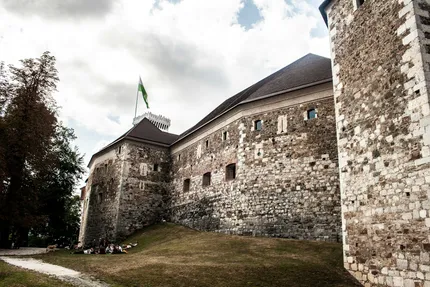
Ljubljana Castle
Ljubljana Castle is a medieval fortress perched on Castle Hill, offering panoramic views of Slovenia’s capital. Its history dates back to the 11th century, although much of its current form was established in the 15th century. Visitors can explore historical exhibitions, enjoy a guided tour, or dine in the castle's on-site restaurant. The funicular ride up delivers picturesque cityscape views.
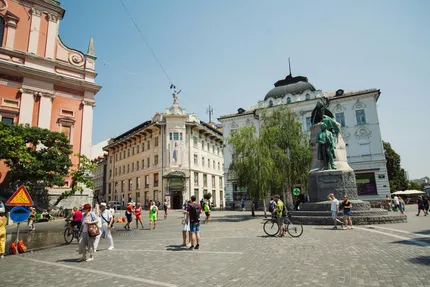
Prešeren Square
Prešeren Square is a vibrant meeting spot in the heart of Ljubljana, celebrated for its lively atmosphere and historical significance. It features the iconic statue of Slovenian poet France Prešeren and offers stunning views of the Triple Bridge and Franciscan Church. Surrounded by baroque architecture, it's a cultural and social hub with cafes, street performances, and events.
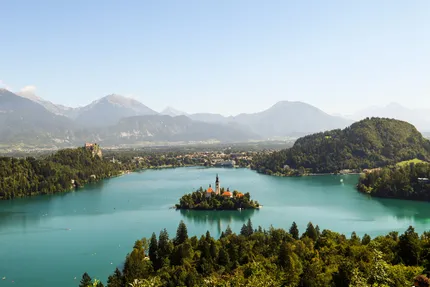
Daytrip to Bled
A day trip from Ljubljana to Bled offers visitors the chance to explore the enchanting Lake Bled, renowned for its picturesque island church and medieval Bled Castle perched atop a cliff. Just an hour's drive, it's perfect for sightseeing, relaxing by the lake, or hiking in the nearby Julian Alps. A traditional pletna boat ride and tasting of the famous Bled cream cake complete the experience.
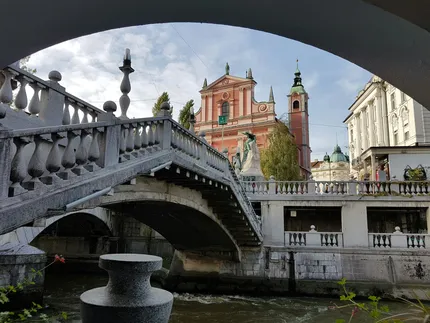
Triple Bridge
The Triple Bridge in Ljubljana is a unique architectural highlight featuring three pedestrian bridges crossing the Ljubljanica River. Designed by Jože Plečnik, this iconic structure seamlessly connects the city's medieval and modern parts. The central bridge dates back to 1842, while the two side bridges, added in 1932, create a distinctive, harmonious pedestrian zone linking Prešeren Square with the old town.
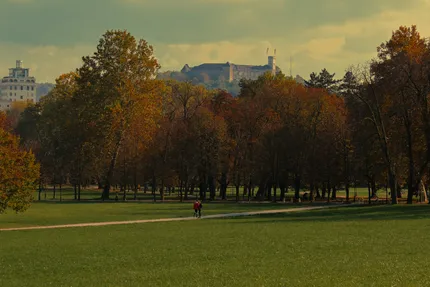
Tivoli Park
Tivoli Park in Ljubljana is the city's largest green space, offering expansive lawns, tree-lined paths, and peaceful gardens. It's a popular spot for both locals and tourists to relax, exercise, and enjoy outdoor activities. Key attractions include the Tivoli Mansion, the promenade with art exhibits, and the scenic Rožnik Hill, providing a serene natural escape right in the city’s heart.
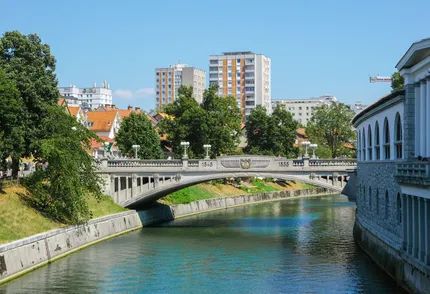
Dragon Bridge
The Dragon Bridge in Ljubljana is an iconic landmark and a symbol of the city. Completed in 1901, this striking Art Nouveau bridge is adorned with four dragon statues, which relate to the legend of Jason and the Argonauts slaying a dragon in the nearby marshes. It spans the Ljubljanica River, offering excellent city views and is a popular photo spot.
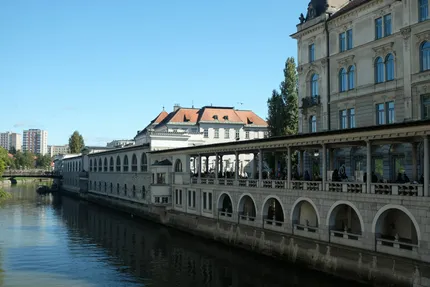
Ljubljana Central Market
Ljubljana Central Market is a vibrant hub of local culture and commerce in Slovenia's capital. Designed by architect Jože Plečnik, it spans a lively outdoor arcade, indoor hall, and riverside embankment. The market offers fresh produce, artisanal goods, and local delicacies, creating a perfect spot for experiencing Ljubljana's culinary scene and buying handcrafted products.
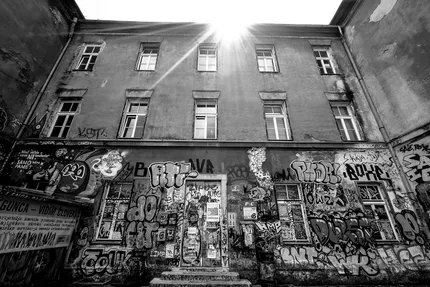
Metelkova Mesto
Metelkova Mesto is an autonomous social and cultural center in Ljubljana, known for its vibrant art scene and alternative culture. Located at a former army barracks, it features colorful street art, live music venues, galleries, and lively bars. It's a hub for artists and musicians, offering a unique and eclectic atmosphere drawing in both locals and tourists.
Ljubljana Zoo
Ljubljana Zoo is nestled within a natural forest setting, offering a habitat for over 120 animal species from around the world. Visitors can enjoy educational encounters and engaging exhibits that highlight various ecosystems. The zoo emphasizes animal conservation and provides an enjoyable experience for families and wildlife enthusiasts, with play areas and picnic spots enhancing the visit.
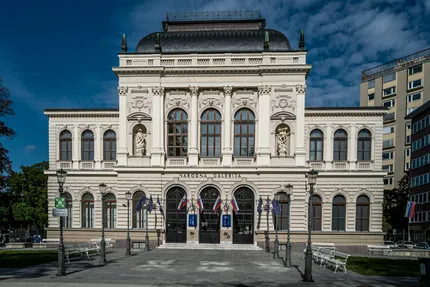
Narodna Galerija
The Narodna Galerija, or National Gallery, in Ljubljana is Slovenia's foremost museum of visual arts. It showcases an extensive collection ranging from medieval to contemporary works, primarily featuring Slovenian artists. Visitors can admire paintings, sculptures, and graphic art in a beautifully restored historic building. The gallery serves as a cultural hub, offering educational programs and temporary exhibitions, enhancing Slovenia’s rich artistic heritage.
Križanke Summer Theatre
Križanke Summer Theatre in Ljubljana is an open-air venue set within a former monastery, providing a historic and atmospheric setting for performances. It hosts a range of events from classical music concerts to modern theater productions, primarily during the warmer months. The theater is especially renowned for its role in the Ljubljana Festival, showcasing both Slovenian and international artists.
Who should visit Ljubljana
Ljubljana is an excellent destination for travelers who appreciate walkable, human-scale cities with a strong architectural identity. Those interested in 20th-century urban design will find the Plečnik-shaped cityscape genuinely fascinating, and architecture enthusiasts could easily spend two days identifying his work throughout the center. Food lovers will enjoy the city's growing restaurant scene, which leans heavily on fresh Slovenian produce and regional wines, particularly from the nearby Primorska and Štajerska wine regions. The Central Market along the river is a worthwhile stop for those interested in local food culture. Outdoor-oriented travelers will appreciate Ljubljana as a base: cycling along the riverbanks is easy and well-supported, and day trips to Lake Bled or the Triglav National Park are straightforward by car or organized tour.
Budget-conscious travelers will find Ljubljana considerably more affordable than Vienna, Zurich, or Amsterdam. The city works well for couples and solo travelers rather than large group tours, as its intimate scale suits independent exploration. Families with older children who enjoy history and walking can also do well here, though the city offers limited dedicated attractions for young children.

Best time to visit Ljubljana
The best time to visit Ljubljana is from late April through September. Summer months, particularly June through August, bring warm temperatures, long days, and a lively outdoor scene with open-air markets, festivals, and packed riverside terraces. July and August are the busiest months. Late spring and early September offer pleasant weather with fewer crowds. Winter can be cold and grey but the city puts on an appealing Christmas market in December that draws visitors looking for a festive atmosphere.
Three top reasons for a city trip to Ljubljana
- Ljubljana offers the picturesque Ljubljana Castle with panoramic views and fascinating history, accessible via a scenic funicular ride or a charming hike through lush forests.
- The vibrant Central Market in Ljubljana is a must-visit, as it offers fresh local produce, artisanal goods, and delicious street food reflecting Slovenia’s culinary diversity.
- A walk along the Ljubljanica River reveals the city's stunning architectural blend, featuring Jože Plečnik’s iconic bridges and a lively riverside dining scene.
Ljubljana is a compact and walkable city, making it easy to explore on foot. The city center is largely pedestrianized, rendering cars unnecessary for most visitors. Bicycles are also a popular choice; the city offers a bike-sharing system called BicikeLJ, which is both convenient and affordable. Public transportation consists of an efficient network of buses covering various parts of the city and reaching some outlying areas. Tickets can be purchased at newsstands or via Urbana card, which allows unlimited travel within the selected time frame. Taxis and rideshare options like Bolt are available but less necessary due to the ease of moving around. For trips outside the city limits, car rentals offer greater flexibility, especially for visiting Slovenia’s charming countryside or attractions further afield. Overall, getting around in Ljubljana is simple and enjoyable whether you're on foot or using local transport.
This content was created with AI assistance and may contain inaccuracies.