
2 days in Ljubljana
SloveniaDay #1
Old Town icons, castle views, market flavors, river cruise.
08:00
Breakfast at a riverside Old Town cafe
08:45
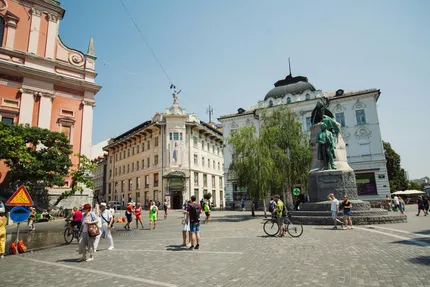
Prešeren Square and Triple Bridge stroll
Begin at Prešeren Square, Ljubljana’s main meeting point, framed by the pink Franciscan Church and the statue of poet France Prešeren. Cross Jože Plečnik’s Triple Bridge over the Ljubljanica River into the Old Town. The pedestrian area offers views of Ljubljana Castle and riverside cafes—ideal for people-watching and a short, central stroll.
09:15
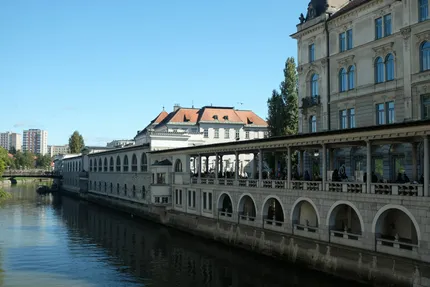
Ljubljana Central Market tasting
Explore Ljubljana Central Market with a tasting focused on regional flavors. Set between Triple Bridge and Dragon Bridge, Plečnik’s open-air stalls and riverside colonnade offer cheeses, cured meats, seasonal produce, pastries, honey, and pumpkin-seed oil, with local wines. On select Fridays, Odprta kuhna adds street-food options. Meet producers and learn about Slovenian culinary traditions.
09:45
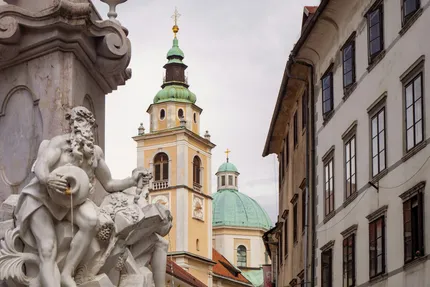
St. Nicholas Cathedral visit
St. Nicholas Cathedral, Ljubljana’s Baroque cathedral, stands in the Old Town by the Central Market. Recognizable by twin towers and a green dome, it features richly frescoed interiors by Giulio Quaglio. Step inside to see marble altars and ornate stucco. Note the bronze doors with reliefs added for Pope John Paul II’s 1996 visit. Dress modestly.
10:15
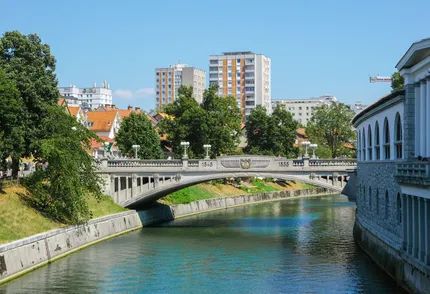
Dragon Bridge photos
Capture Ljubljana’s iconic Dragon Bridge (Zmajski most), famed for its four dragon statues and Art Nouveau design. Best light is early morning or golden hour; shoot from the riverbanks for reflections and from nearby walkways to frame Ljubljana Castle. Expect traffic and crowds midday. The bridge is illuminated at night; stabilize for low-light shots.
10:30
Butcher's Bridge walk
11:00
Funicular ride to Ljubljana Castle
11:10
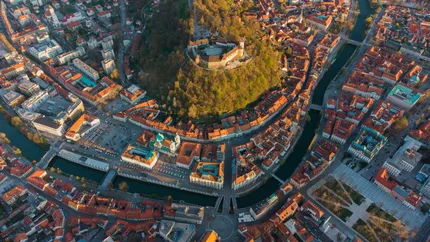
Castle courtyards and panoramic viewpoints
Ljubljana Castle’s open courtyards are freely accessible, hosting seasonal events, cafés and shaded seating. For city-wide panoramas, climb the Viewing Tower or the ramparts (ticketed), with vistas over the Old Town, Ljubljanica River and, on clear days, the Alps. Reach the hilltop by funicular from Krek Square or via signposted walking paths.
12:00
Castle museum and Watchtower
13:00
Lunch in Old Town
14:00
Cobbler's Bridge and Križanke courtyard
Cobbler’s Bridge (Čevljarski most), a Jože Plečnik-designed pedestrian span over the Ljubljanica, features stone balustrades and columned lamps, linking the Old Town’s riverfront. Nearby, Plečnik’s renovation of the Križanke courtyard—part of a former Knights of the Cross monastery—serves as an open-air venue for the Ljubljana Festival, with seasonal concerts and occasional ticketed entry.
14:30
National and University Library exterior (Plečnik)
Plečnik’s National and University Library is best appreciated from the street, where its distinctive exterior pairs red brick with irregularly set stone blocks, evoking Roman walls and Ljubljana’s heritage. The austere, monumental facade and grand portal exemplify Plečnik’s human-scaled classicism. The building forms part of Ljubljana’s Plečnik ensemble inscribed on the UNESCO World Heritage List in 2021.
15:00
Coffee and potica by the river
15:30
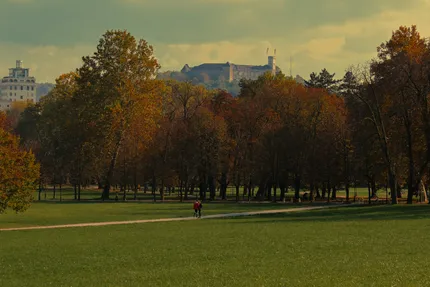
Tivoli Park and Jakopič Promenade stroll
Stroll through Ljubljana’s Tivoli Park, the city’s largest green space, with tree-lined avenues, ponds, and mansions. Follow Plečnik’s Jakopič Promenade, an elegant axis lined with chestnut trees that hosts free, large-format outdoor photo exhibitions. Highlights include Tivoli Mansion (MGLC) and Cekin Mansion (Museum of Contemporary History), plus playgrounds and cafes. Flat paths suit all ages.
16:45
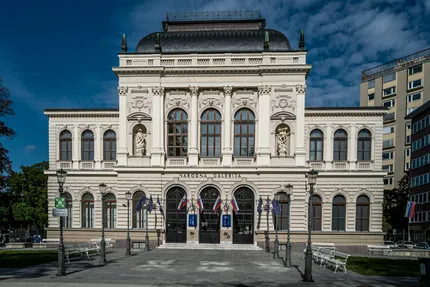
National Gallery of Slovenia visit
The National Gallery of Slovenia, Ljubljana’s main art museum, houses the national collection of fine art from the Middle Ages to the early 20th century. Highlights include Slovenian Impressionists, Ivana Kobilca’s Kofetarica, and the original Robba Fountain. Expect well-curated permanent and temporary exhibits, a glass-enclosed extension, and an on-site café and shop.
18:00
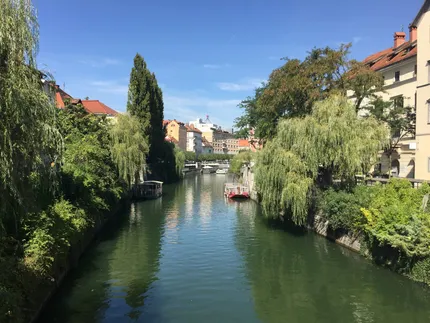
Ljubljanica river cruise
A Ljubljanica River cruise offers a relaxed way to see Ljubljana’s Old Town, Plečnik-designed embankments, and landmarks like the Triple, Dragon, and Cobblers’ bridges, plus views of Ljubljana Castle. Boats depart from central embankments near Prešeren Square and the Central Market. Typical rides last about an hour, with covered/heated options and evening departures.
19:00
Traditional Slovenian dinner
20:30
Evening drinks by the river
Day #2
Plečnik heritage, parks, museums, rooftop sunset, lively Metelkova night.
08:00
Breakfast with burek and coffee
08:45
Plečnik’s House tour
Explore Jože Plečnik’s preserved home and studio in Ljubljana’s Trnovo district. The guided tour reveals original furniture, tools, drawings, and models, plus the architect’s garden. Exhibitions explain his extensive redesign of Ljubljana, including riverside promenades and bridges. Visits are by guided tour at set times; advance booking via Museum and Galleries of Ljubljana is recommended.
10:00
Walk along Trnovo Embankment
Walk the Trnovo Embankment (Trnovski pristan), a riverside promenade along the Ljubljanica designed by architect Jože Plečnik. Stone steps lead to the water under willow trees, a popular warm-weather hangout. Expect joggers, cyclists, kayaks and SUPs, with nearby cafes and bars, and easy access to Trnovo Bridge and Ljubljana’s old town.
10:30
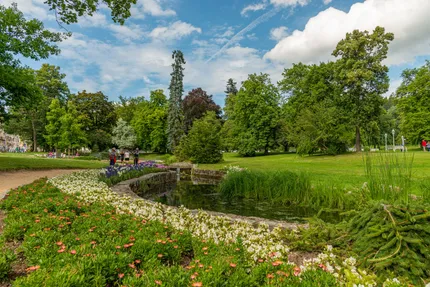
Ljubljana Botanical Garden visit
Founded in 1810, the University of Ljubljana’s Botanical Garden is Slovenia’s oldest. Set by the Ljubljanica River, it showcases native and global flora in outdoor collections, including rock and medicinal beds, plus a Tropical Glasshouse. Visitors can stroll year-round; guided tours and plant sales are offered. Outdoor entry is free; the glasshouse has a small fee.
11:30
Relax at Špica Park
12:15
Lunch at a riverside bistro
13:30
Museum of Contemporary Art Metelkova (MSUM)
Museum of Contemporary Art Metelkova (MSUM) is part of Moderna galerija, focusing on contemporary art from the 1960s onward, with emphasis on Eastern European, Slovenian and former Yugoslav practices. Located in Ljubljana’s Metelkova museum quarter, it presents the Arteast 2000+ collection, rotating exhibitions, archives and educational programs in a refurbished former barracks building.
14:45
Slovenian Ethnographic Museum
The Slovenian Ethnographic Museum (SEM) in Ljubljana's Metelkova museum quarter presents Slovenian and world cultures through artifacts, photographs, and multimedia. Permanent exhibitions, including Between Nature and Culture and I, We and Others, explore everyday life, crafts, and rituals. The museum hosts temporary shows, educational workshops, and events, with bilingual labels. Family-friendly, with regular public programs.
16:00
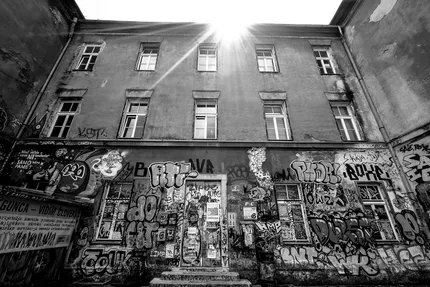
Metelkova Art Center exploration
Explore Metelkova, an autonomous cultural center in former military barracks. Wander courtyards filled with vivid murals, mosaics, and sculptures, visit small galleries and studios, and learn about Ljubljana’s alternative art scene. Daytime suits photography and street art; nights bring live music, clubs, and performances. Be respectful of residents; check venues for event schedules and entry fees.
17:00
Gelato and coffee break
17:30
Nebotičnik rooftop views at sunset
Nebotičnik, Ljubljana’s historic 1933 skyscraper, offers a rooftop terrace and café-bar with sweeping views over the Old Town, Ljubljana Castle, and distant Alps. Sunset is prime time; arrive a little early as seating fills quickly. Access is by elevator to the top floors. Expect casual drinks and light bites alongside the panorama.
18:30

Old Town boutique browsing
Ljubljana’s Old Town—especially Stari, Mestni, and Gornji trg—offers relaxed browsing in indie boutiques and studios. Find Slovenian design, handcrafted jewelry, ceramics, Idrija lace, natural cosmetics, and small concept stores along the cobbled, pedestrian riverfront. Most shops open late morning to early evening, with limited Sunday hours. Combine browsing with cafés and galleries nearby.
19:30
Modern Slovenian cuisine dinner
21:00
Live music or Metelkova nightlife
Metelkova Mesto is Ljubljana’s autonomous arts and nightlife hub, a former barracks packed with street art, bars, and small venues. Clubs such as Gala Hala, Gromka, and Menza pri Koritu host live bands and DJ nights spanning punk, indie, jazz, and electronic. Expect late starts, modest cover charges, and event-specific schedules.