
City break inKrakow
Krakow is one of Central Europe’s most rewarding city-break destinations, combining a compact, walkable center with layers of history and a lively contemporary scene. The UNESCO-listed Old Town revolves around the vast Main Market Square, where the Cloth Hall, St. Mary’s Basilica, and the hourly trumpet call set a distinctive rhythm. A short walk leads to Wawel Hill, home to the Royal Castle and Cathedral, which anchor Krakow’s former role as Poland’s royal capital. Across the river, Kazimierz offers a different atmosphere: synagogues, courtyards, and small museums sit alongside cafés, bars, and galleries.
The city is also known for strong cultural programming - classical concerts, film and literature events, and a dense calendar of exhibitions. Food is a highlight, from traditional Polish dishes and milk bars to modern bistros, plus excellent bakeries. With efficient public transport and many key sights close together, Krakow suits a focused long weekend without feeling rushed.
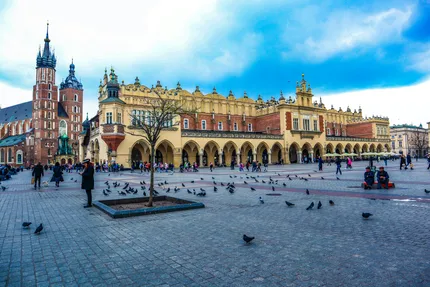
Main Market Square (Rynek Główny)
The Main Market Square is one of Europe's largest medieval town squares and the heart of Krakow's Old Town. Surrounded by colorful townhouses, the square features the iconic Cloth Hall, St. Mary's Basilica, and the Town Hall Tower. Street cafes, flower stalls, and pigeons fill the lively space, while the famous hourly trumpet call from St. Mary's tower remains a beloved local tradition.
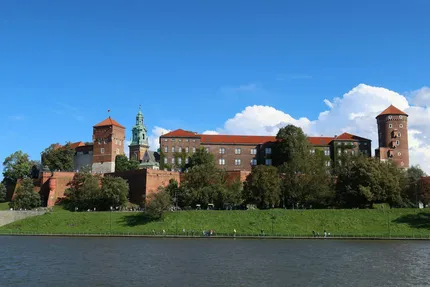
Wawel Royal Castle
Wawel Royal Castle sits atop Wawel Hill overlooking the Vistula River and served as the residence of Polish kings for centuries. The complex includes the Royal State Rooms, Royal Private Apartments, Crown Treasury, and Armoury. Visitors can also explore Wawel Cathedral, the coronation and burial site of Polish monarchs. The castle is one of Poland's most important cultural and historical monuments.
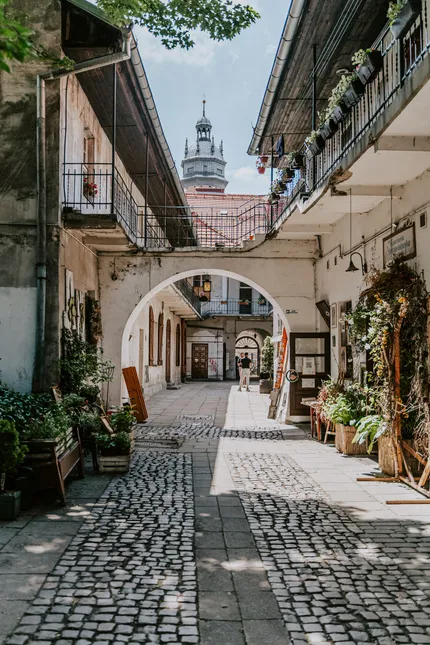
Kazimierz District
Kazimierz is Kraków’s historic Jewish quarter, known for synagogues, cemeteries, and museums that document centuries of Jewish life and the Holocaust. Key sites include the Old Synagogue, Remuh Synagogue and Cemetery, and Galicia Jewish Museum. The district also has lively cafés, galleries, and walking routes connecting to nearby Podgórze and Schindler’s Factory Museum.

Schindler's Factory Museum
Schindler’s Factory Museum in Kraków is a branch of the Historical Museum of the City of Kraków, located in Oskar Schindler’s former enamel factory in Podgórze. Its main exhibition, “Kraków under Nazi Occupation 1939–1945,” uses documents, photographs, and reconstructed spaces to present daily life and persecution during the war, including Schindler’s story.
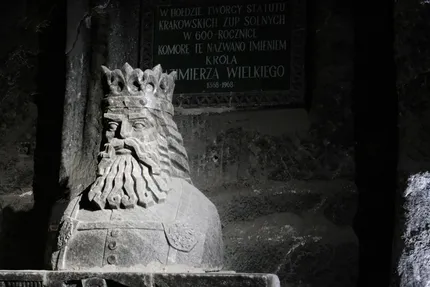
Wieliczka Salt Mine
The Wieliczka Salt Mine, just outside Kraków, is a UNESCO-listed underground complex of tunnels and chambers carved from salt. Visitors typically join guided tours that descend by stairs and pass salt sculptures, chapels, and historic mining equipment. The popular Tourist Route covers key highlights; separate routes focus on mining history or more active exploration.
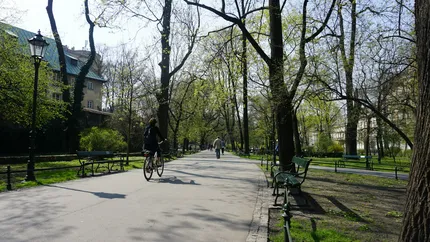
Planty Park
Planty Park is a green ring encircling Krakow's Old Town, stretching roughly 4 kilometers along the route of the former medieval city walls, which were demolished in the early 19th century. The park features tree-lined paths, benches, fountains, and statues, making it a pleasant place for a leisurely stroll. It connects major landmarks including Wawel Castle, the Main Market Square, and the Barbican.
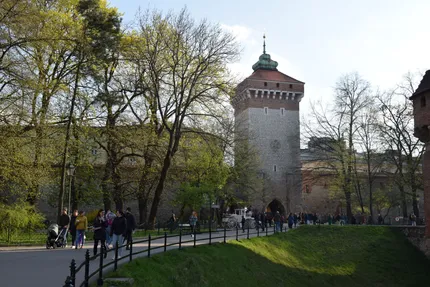
St. Florian's Gate
St. Florian's Gate is one of the best-preserved sections of Krakow's medieval fortifications, dating from the 14th century. The Gothic stone gateway once served as the main northern entrance to the city and remains connected to the Barbican fortress via a short stretch of defensive walls. Today visitors can climb the gate to view exhibitions and enjoy elevated views over the surrounding streets.
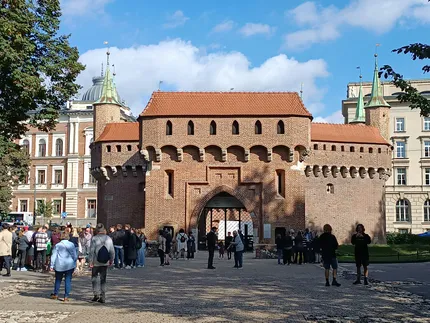
The Barbican
The Barbican is a well-preserved medieval fortification built in the late 15th century, forming part of Krakow's historic defensive walls. This circular brick structure once protected the city's northern entrance and connected to the city gate via a narrow corridor. Today it serves as a museum and cultural venue, hosting exhibitions and events. It stands as one of the finest examples of Gothic military architecture in Europe.
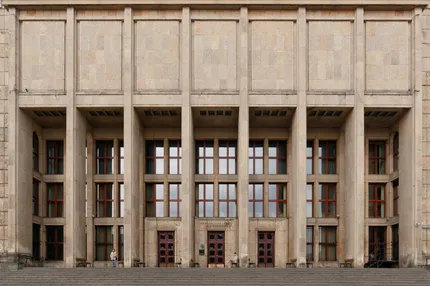
National Museum in Krakow
The National Museum in Krakow is the largest museum in Poland, with collections spanning art, decorative arts, and military history. Its main building houses an impressive array of Polish paintings, sculptures, and applied arts from the medieval period to the 20th century. Highlights include works by prominent Polish artists such as Jacek Malczewski and Stanislaw Wyspianski, alongside an extensive collection of armor, weapons, and uniforms.
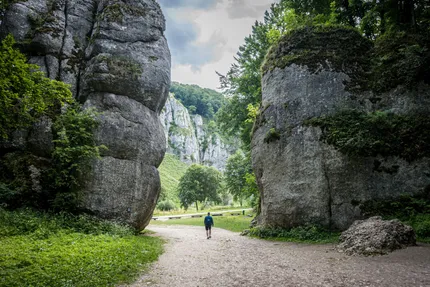
Ojcow National Park
Ojcow National Park is Poland's smallest national park, located about 25 km north of Krakow. The park features dramatic limestone rock formations, caves including Lokietek Cave and the bat-inhabited Dark Cave, dense forests, and the Pradnik River valley. Visitors can explore hiking trails, view a ruined medieval castle, and observe diverse wildlife. It makes an easy and rewarding half-day trip from Krakow.
Who should visit Krakow
Krakow is an excellent fit for travellers who want a dense concentration of major sights and neighborhoods that feel distinct within a small radius. It’s ideal for history-focused visitors: the Old Town, Wawel complex, and Kazimierz’s Jewish heritage sites can fill a short trip with meaningful, well-curated museums and architecture. Culture seekers will enjoy the city’s concert halls, galleries, and frequent events, plus the ease of adding an evening performance after a day of walking.
Food-motivated travellers are well served by traditional Polish restaurants, modern dining, and affordable milk bars, making it easy to sample widely without planning far ahead. Krakow also suits nightlife-oriented weekenders who prefer bars and live music in atmospheric streets rather than large clubs, with Kazimierz and the Old Town offering plenty of options.
Photographers and slow walkers will appreciate early mornings around the Market Square and the river, when the city is quieter. Overall, Krakow works best for a 2-4 day break for couples, friends, and solo travellers who want walkability, strong heritage, and a lively but manageable urban pace.

Best time to visit Krakow
The best time to visit Krakow is late spring (May-June) or early autumn (September-early October). Days are generally mild, walking is comfortable, and outdoor terraces and riverfront paths are at their best without peak-summer crowds. July and August bring the busiest period, higher accommodation prices, and occasional heat, though the city’s festival schedule is strong. Winter can be atmospheric, especially in December with seasonal markets and cozy restaurants, but expect short daylight hours and cold spells that make long sightseeing days less pleasant. If you want a balance of good weather, manageable queues, and better value, aim for May, June, or September.
Three top reasons for a city trip to Krakow
- Explore Kraków’s UNESCO-listed Old Town: Rynek Główny with St. Mary’s Basilica trumpet call, Cloth Hall arcades, and the Royal Route to Wawel Castle’s cathedral, tombs, and Sigismund Bell.
- Experience Kazimierz, Kraków’s historic Jewish quarter: synagogues like Remuh and Tempel, Schindler’s Factory Museum in nearby Podgórze, atmospheric courtyards, and modern cafés and bars along Szeroka Street.
- Take unforgettable day trips from Kraków: the Wieliczka Salt Mine’s chapels and sculptures underground, and Auschwitz-Birkenau Memorial and Museum—both easily reached by bus or tour, offering powerful history and reflection.
Krakow is a relatively easy city to get around due to its compact layout. The city is quite walkable, especially in the Old Town and Kazimierz district, where many attractions are within walking distance. For longer distances, Krakow's public transportation system is both efficient and affordable, with an extensive network of trams and buses covering the entire city. The trams are particularly useful for getting to the suburbs and other parts of the city. Biking is also a viable option as the city has been making efforts to expand its cycling paths. Renting a bike can be enjoyable, particularly for exploring alongside the Vistula River. While driving in the city center can be challenging due to traffic and limited parking, a car can be useful for exploring attractions outside the city such as the Wieliczka Salt Mine and Ojcow National Park.
This content was created with AI assistance and may contain inaccuracies.