
2 days in Krakow
PolandDay #1
Old Town highlights, Wawel, and Kazimierz evening
08:30
Breakfast at a café near Rynek Główny (Main Square)
09:30
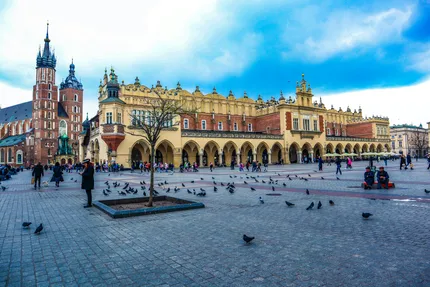
Walk Rynek Główny: Cloth Hall (Sukiennice) and Town Hall Tower area
Rynek Główny is Kraków’s main medieval square. The Cloth Hall (Sukiennice) sits at its center; the ground floor hosts market stalls, and the upper level houses the Sukiennice Museum (19th‑century Polish art, a branch of the National Museum). Nearby, the Town Hall Tower is the surviving part of the old town hall and can be visited for views.
10:30
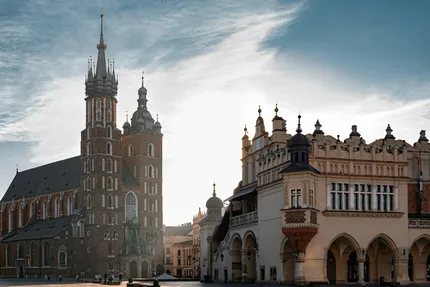
Visit St. Mary’s Basilica (Mariacki) and hear the trumpet call
St. Mary’s Basilica (Bazylika Mariacka) dominates Kraków’s Main Market Square and is known for its Gothic interior and the carved wooden altarpiece by Veit Stoss. Every hour, a trumpeter plays the hejnał from the taller tower; the melody stops abruptly, commemorating a legendary medieval warning. Arrive early for a clear view and smaller crowds.
11:30
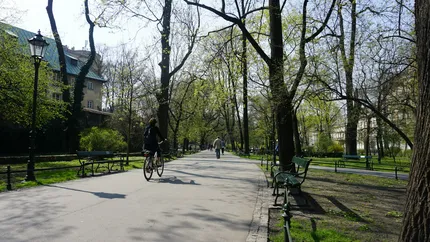
Stroll Planty Park loop toward Wawel Hill
Planty Park is a green belt encircling Kraków’s Old Town, created on the site of the former medieval city walls. A stroll along its shaded paths toward Wawel Hill passes gardens, monuments, and historic gateways near the Main Square. The route ends by Wawel Castle and Cathedral, offering an easy, scenic walk between major sights.
12:30
Lunch in the Old Town (try pierogi or żurek)
Kraków’s Old Town (Stare Miasto) has many restaurants and milk bars serving classic Polish dishes. Pierogi are filled dumplings (often with potato and cheese, meat, or cabbage and mushrooms), usually boiled and sometimes pan-fried. Żurek is a sour rye soup, commonly served with sausage and egg, sometimes in a bread bowl.
13:45
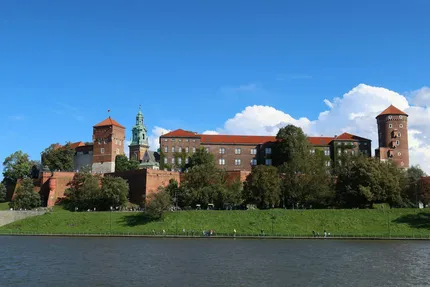
Explore Wawel Castle courtyards and Cathedral
Wawel Castle is a major historic complex on Wawel Hill in Kraków. Visitors can walk through its Renaissance courtyards and tour the Wawel Cathedral, the coronation site of Polish kings. The cathedral contains royal tombs, chapels, and the Sigismund Bell. Tickets and access vary by section, so check opening hours and entry rules.
15:30
Walk down to the Vistula River boulevards for views and photos
Kraków’s Vistula River boulevards (Bulwary Wiślane) are riverside paths popular for walking and cycling, with open views toward Wawel Castle and the city skyline. The area is good for photos at sunset and for spotting river traffic. Access is easy from Kazimierz or Wawel Hill, with benches and nearby cafés.
16:30
Coffee and cake break (Old Town or by the river)
17:30
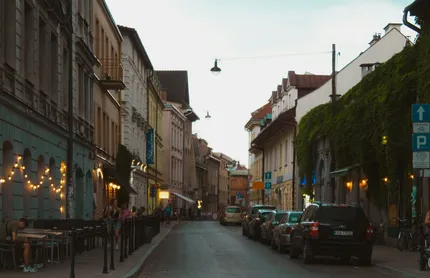
Head to Kazimierz: wander Szeroka Street and historic synagogues area
Kazimierz, Kraków’s historic Jewish quarter, centers on Szeroka Street, a broad square-like street lined with cafés and heritage buildings. Nearby are key synagogues such as the Old Synagogue (museum), Remuh Synagogue and cemetery, and Tempel Synagogue. The area is walkable and offers insight into Jewish history and postwar revival.
19:00
Dinner in Kazimierz (modern Polish/Jewish-inspired cuisine)
Kazimierz, Kraków’s historic Jewish quarter, is a popular area for dinner, with many restaurants serving modern Polish cuisine alongside Jewish-inspired dishes. Menus often reinterpret classics such as pierogi, herring, goose, and seasonal vegetables, sometimes drawing on Ashkenazi flavors. The neighborhood is walkable and lively in the evening, with options from casual bistros to chef-led tasting menus.
20:30
Evening drinks/live music in Kazimierz (bars around Plac Nowy)
Kazimierz, Kraków’s historic Jewish quarter, is a popular area for evening drinks and live music, especially around Plac Nowy. The square and nearby streets are lined with bars, pubs, and small venues, many in atmospheric cellar spaces. You’ll find everything from craft beer and cocktails to jazz, folk, and DJ sets, often starting late.
Day #2
Auschwitz day trip and relaxed Old Town night
07:00
Early breakfast near your accommodation
07:45
Depart for Auschwitz-Birkenau (guided tour or bus/train to Oświęcim)
From Kraków, Auschwitz-Birkenau Memorial and Museum can be visited on a guided day tour or independently by bus or train to Oświęcim. The site includes Auschwitz I (museum exhibits) and Auschwitz II–Birkenau (camp ruins and memorial). Entry requires a timed ticket; guided visits provide historical context. Allow most of a day, including travel.
09:30
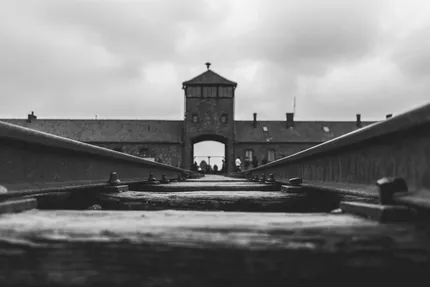
Visit Auschwitz I memorial and museum (guided visit)
A guided visit to Auschwitz I Memorial and Museum from Kraków typically includes transport to Oświęcim and an educator-led tour of the former Nazi concentration camp. You’ll see preserved barracks, prisoner exhibits, and memorial sites that document the Holocaust and Nazi crimes. Expect security checks, respectful conduct, and several hours on site.
12:00
Transfer to Auschwitz II–Birkenau and continue the visit
From Krakow, many visitors take a transfer to Auschwitz II–Birkenau, the larger part of the former Nazi German concentration and extermination camp complex. The visit typically includes the camp’s vast grounds, barracks ruins, watchtowers, and the railway ramp. Entry is via timed tickets, often with a guide; allow several hours including travel.
13:30
Quick lunch/refreshment break near the site
14:15
Return to Kraków
16:30
Rest and decompress at your hotel or a quiet café
17:30
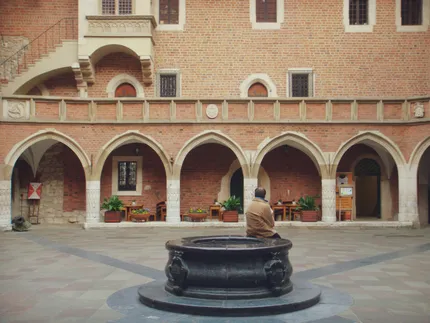
Walk to Collegium Maius (Jagiellonian University) courtyard area
Walk to the Collegium Maius courtyard, the oldest part of Jagiellonian University in Kraków’s Old Town. The Gothic building surrounds a quiet arcaded courtyard that’s freely accessible at set times, while the museum inside displays university history and scientific instruments. It’s a short walk from the Main Market Square and makes an easy stop between sights.
18:30
Dinner in the Old Town (seasonal Polish tasting or hearty classics)
Kraków’s Old Town offers many restaurants serving Polish cuisine, from seasonal tasting menus to hearty classics. Look for dishes like pierogi, żurek (sour rye soup), bigos (hunter’s stew), and kotlet schabowy, often paired with local beers or Polish vodka. Many venues sit in historic cellars or around the Main Market Square; reservations help in peak season.
20:00
Evening stroll: Planty Park and Main Square night views
Planty Park forms a green ring around Kraków’s Old Town, following the line of the former medieval city walls. In the evening it’s a calm, well-lit route for a stroll between key sights. From there, head to Rynek Główny (Main Square) for nighttime views of the Cloth Hall and St. Mary’s Basilica.