City break inCopenhagen
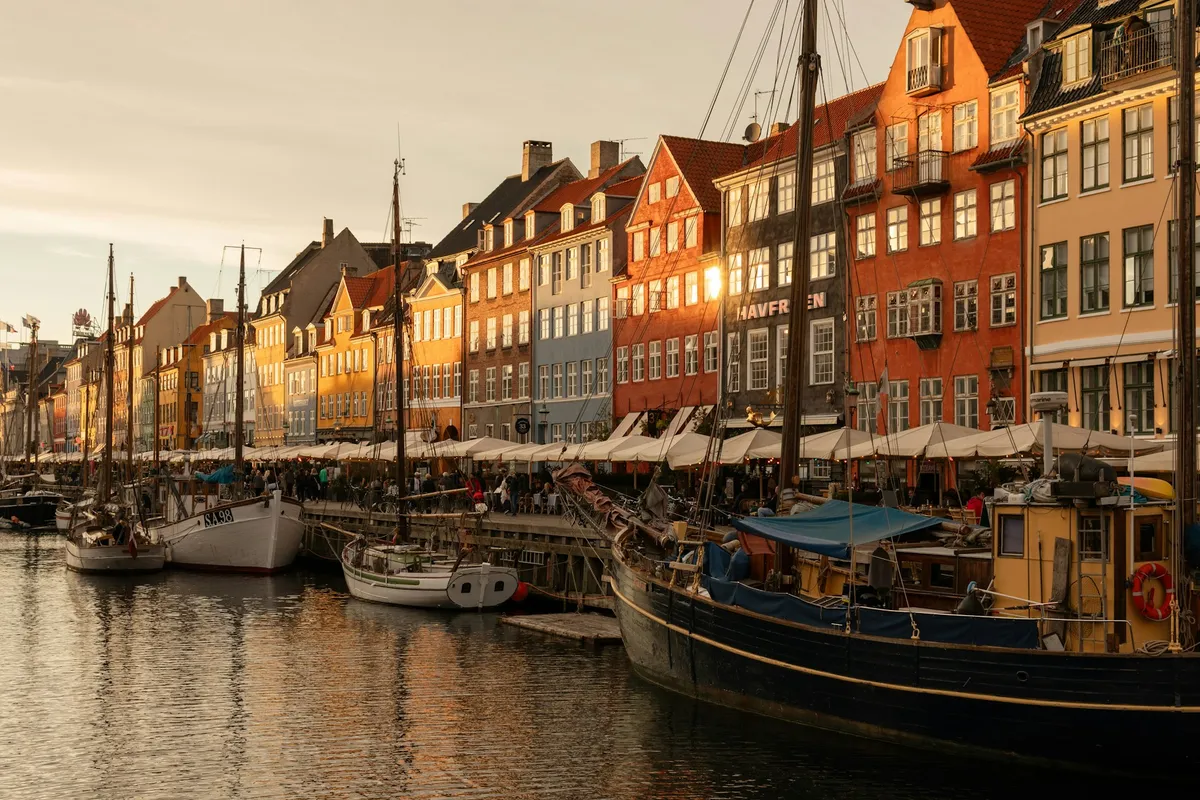
Copenhagen, the capital of Denmark, sits on the eastern coast of Zealand and is one of Scandinavia's most livable and well-designed cities. The city blends its rich Viking and maritime history with a forward-thinking approach to urban life, sustainability, and architecture. The colorful Nyhavn harbor district, with its 17th-century townhouses lining the canal, is perhaps the city's most iconic image. Beyond this postcard view, Copenhagen offers world-class museums like the National Museum of Denmark and the Ny Carlsberg Glyptotek art museum, as well as the historic Rosenborg Castle.
The city is also a global leader in gastronomy, home to multiple Michelin-starred restaurants including the legendary Noma, which helped define the New Nordic cuisine movement. Copenhagen is exceptionally walkable and bike-friendly, with an extensive cycling infrastructure that locals use year-round. The Tivoli Gardens amusement park, one of the world's oldest, adds a whimsical charm to the city center. Across the Oresund Bridge lies Malmö, Sweden, making a quick cross-border day trip easy and appealing.
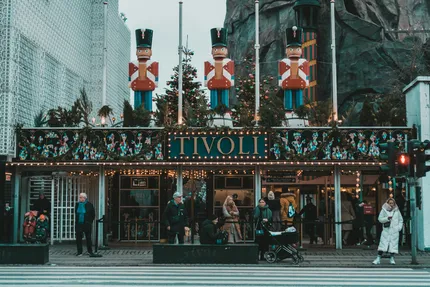
Tivoli Gardens
Tivoli Gardens is one of the world's oldest amusement parks, opening in 1843 in central Copenhagen. It combines fairground rides with gardens, restaurants, concert venues, and seasonal events. The park features a mix of modern thrill rides and classic attractions like the wooden roller coaster from 1914. It transforms dramatically for Halloween and Christmas, drawing both locals and tourists throughout the year.
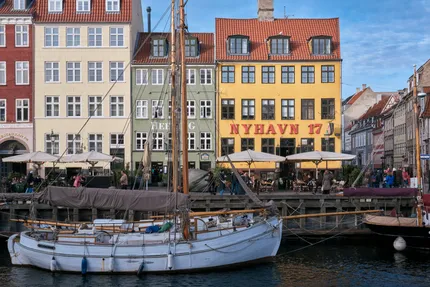
Nyhavn
Nyhavn is a 17th-century waterfront canal district lined with colorful townhouses, historic wooden ships, and a lively stretch of bars and restaurants. Once a working seaport, it is now one of Copenhagen's most iconic and photographed areas. The writer Hans Christian Andersen lived in several houses here. It is an ideal spot to enjoy a meal or drink alongside the water, particularly in warmer months.
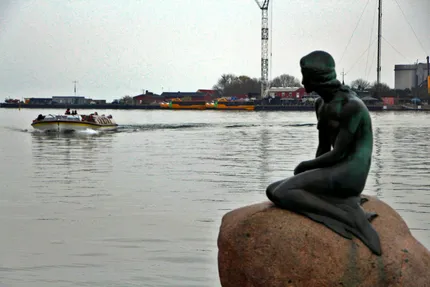
The Little Mermaid
The Little Mermaid is a small bronze statue sitting on a rock by the Langelinie promenade in Copenhagen. Created by sculptor Edvard Eriksen in 1913, it was inspired by Hans Christian Andersen's fairy tale. Despite its modest size, it is Denmark's most visited tourist attraction. The statue has been vandalized and damaged multiple times throughout its history but has always been restored.
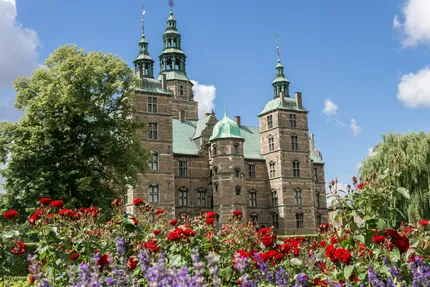
Rosenborg Castle
Rosenborg Castle is a Renaissance palace built by King Christian IV in the early 17th century, located in the King's Garden in central Copenhagen. It houses the Danish Crown Jewels and royal regalia, along with royal artifacts and furniture spanning 400 years of monarchy. The castle is one of Copenhagen's most visited attractions and offers a fascinating glimpse into Danish royal history.
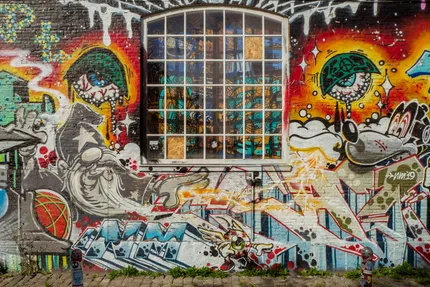
Freetown Christiania
Freetown Christiania is a self-governing neighborhood established in 1971 when squatters occupied a former military base in Copenhagen. Spanning about 34 hectares, it operates under its own rules, independent of Danish law in many respects. Known for its colorful murals, alternative architecture, and vibrant arts scene, Christiania attracts visitors curious about its communal lifestyle. The area has cafes, music venues, and workshops, though photography is restricted in certain zones.
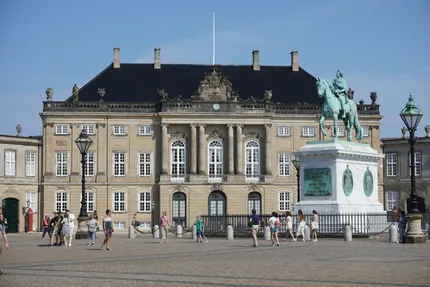
Amalienborg Palace
Amalienborg Palace is the official residence of the Danish royal family, located in central Copenhagen. The complex consists of four identical rococo palaces arranged around an octagonal courtyard, built in the 1750s. The changing of the royal guard takes place daily at noon. One of the palaces houses a museum where visitors can explore royal history and see historical apartments used by Danish monarchs.
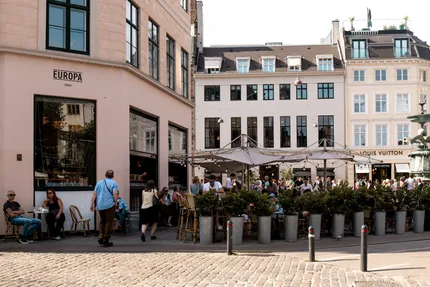
Strøget
Strøget is one of Europe's longest pedestrian shopping streets, stretching about 1.1 kilometers through central Copenhagen. It runs from Rådhuspladsen to Kongens Nytorv, lined with shops ranging from international brands to Danish retailers like Illums Bolighus and Georg Jensen. Beyond shopping, the street features cafes, street performers, and connects several charming squares, making it a natural route through the heart of the city.
National Museum of Denmark
The National Museum of Denmark, located in central Copenhagen, is the country's largest museum of cultural history. It houses extensive collections spanning Danish prehistory, the Viking Age, the Middle Ages, and ethnography from cultures worldwide. Highlights include runic stones, Viking artifacts, and ancient Egyptian collections. The museum is housed in a grand 18th-century mansion near Christiansborg Palace and admission is free.
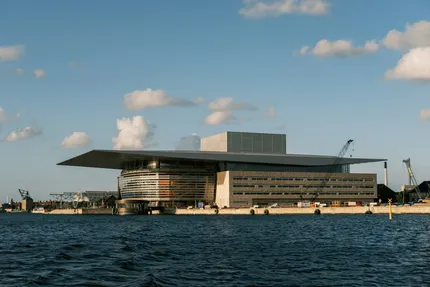
Copenhagen Theatre
Copenhagen has a vibrant theatre scene, with the Royal Danish Theatre being its most prestigious institution, founded in 1748. It hosts opera, ballet, and drama across multiple venues, including the modern Copenhagen Opera House on the harbour and the historic Old Stage. The city also has numerous smaller independent theatres offering Danish and international productions, making live performance an integral part of Copenhagen's cultural life.
Copenhagen Zoo
Copenhagen Zoo, founded in 1859, is one of Europe's oldest and most visited zoos. Located in the Frederiksberg district, it houses over 3,000 animals representing around 264 species. Highlights include the elephant house designed by Norman Foster, the Arctic ring polar bear enclosure, and the African savanna exhibit. The zoo prioritizes conservation and research while offering engaging experiences for visitors of all ages.
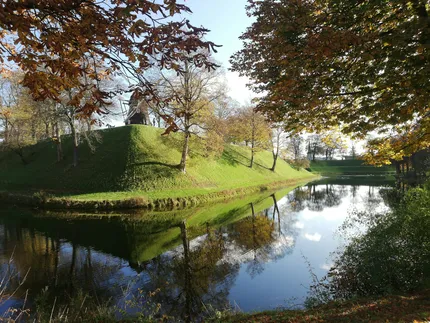
Kastellet
Kastellet is one of the best-preserved star fortresses in Northern Europe, built in the 17th century. Located near the waterfront in Copenhagen, it remains an active military area while being open to the public. Visitors can walk along the ramparts, explore the grounds, and see the historic windmill and church within its walls. The Little Mermaid statue sits nearby.
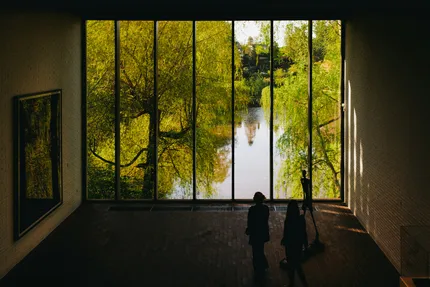
Louisiana Museum of Modern Art
Located north of Copenhagen in Humlebaek, the Louisiana Museum of Modern Art is one of Scandinavia's finest modern art museums. It houses an impressive permanent collection featuring works by Picasso, Giacometti, and Warhol, alongside rotating temporary exhibitions. The building itself is a highlight, with elegant architecture seamlessly integrated into a coastal landscape overlooking the Oresund strait, with sculpture gardens connecting the gallery spaces.
Who should visit Copenhagen
Copenhagen is an excellent destination for food enthusiasts. The city has one of the highest concentrations of Michelin-starred restaurants per capita in the world, and even its mid-range and street food scenes, particularly at Reffen market, are outstanding. Travelers who prioritize food and drink will find this city deeply rewarding. Architecture and design lovers will appreciate the city's mix of Renaissance castles, 18th-century merchant buildings, and bold contemporary structures like the Copenhagen Opera House and the Black Diamond library extension. History-focused travelers will find strong Viking-age and royal Danish history throughout the city and in nearby sites like the Viking Ship Museum in Roskilde, just 30 minutes away by train.
Cyclists will feel at home immediately, as the city's flat terrain and dedicated bike lanes make renting a bike the most practical and enjoyable way to explore. Sustainable travel advocates are drawn to Copenhagen's reputation as one of the greenest cities in the world. Families will find Tivoli Gardens a genuine highlight rather than a tourist trap. The city is less suited for travelers seeking nightlife on par with Berlin or Amsterdam, though a solid bar and music scene does exist in the Vesterbro and Nørrebro neighborhoods.

Best time to visit Copenhagen
The best time to visit Copenhagen is between May and August, when temperatures range from 15 to 22 degrees Celsius and daylight hours are long. June and July offer the warmest weather and a vibrant outdoor café culture. Late spring brings blooming parks and fewer crowds than peak summer. September is also a solid choice, with mild temperatures and fewer tourists. Winter is cold and dark but offers cozy hygge atmosphere and the magical Tivoli Christmas Market in November and December.
Three top reasons for a city trip to Copenhagen
- Copenhagen is home to Nyhavn, a 17th-century waterfront canal lined with colourful townhouses, bars and restaurants, offering a quintessential and photogenic Danish harbour experience.
- The city offers world-class dining, including Noma, which redefined modern Nordic cuisine, and numerous Michelin-starred restaurants showcasing fresh Scandinavian ingredients and innovative cooking techniques.
- Copenhagen is exceptionally bike-friendly, with over 390 kilometres of cycle lanes, making it easy and enjoyable to explore neighbourhoods like Vesterbro, Frederiksberg and the historic Latin Quarter by bicycle.
Copenhagen is known for being extremely bike-friendly, with dedicated bike lanes and a comprehensive cycling infrastructure that makes it easy and safe to explore the city on two wheels. It's a walkable city with many attractions within a reasonable distance from each other, particularly in the central areas. The public transport system is highly efficient and includes buses, trains, and a metro network that connects various parts of the city and even reaches some suburbs. The Rejsekort travel card can be used across all forms of public transport, making navigation straightforward. Although having a car is unnecessary for staying in Copenhagen, if you plan to explore Denmark's countryside, renting a car might be beneficial. Overall, the best way to experience Copenhagen is on foot or by bike, utilizing the seamless public transport network for longer journeys.
This content was created with AI assistance and may contain inaccuracies.