2 days in Copenhagen
DenmarkDay #1
Explore the iconic city center and waterfront
08:00
Breakfast at a local café near Nørreport
09:30
Visit Rosenborg Castle and the Royal Gardens
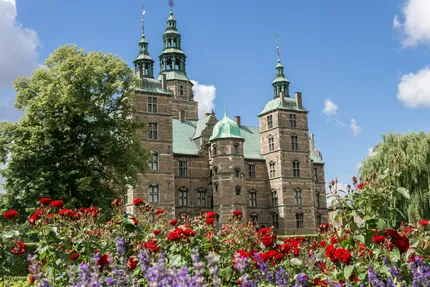
Rosenborg Castle is a Renaissance palace built in the early 17th century by King Christian IV. It houses the Danish Crown Jewels and royal regalia, displayed in the treasury. The surrounding Kongens Have, or Royal Gardens, is Copenhagen's oldest park, offering pleasant green space for walks. The castle sits near the city center, making it an easily accessible and historically rich attraction.
11:00
Explore the Latin Quarter and Strøget shopping street
The Latin Quarter is Copenhagen's oldest neighborhood, centered around the University of Copenhagen and filled with bookshops, cafes, and historic architecture. Nearby, Strøget is one of Europe's longest pedestrian shopping streets, stretching over a kilometer through the city center. It connects several squares and offers everything from affordable retail chains to high-end designer stores, alongside street performers and plenty of places to stop for coffee.
12:30
Lunch at Torvehallerne food market
Torvehallerne is a covered food market near Nørreport station, comprising two large glass halls. It opened in 2011 and features around 60 stalls selling fresh produce, seafood, charcuterie, cheese, coffee, and prepared foods. It is a popular spot for lunch, offering everything from smørrebrød and pasta to tacos and fresh smoothies. The market operates daily and reflects Copenhagen's strong food culture.
14:00
Visit Nyhavn – the iconic colorful canal
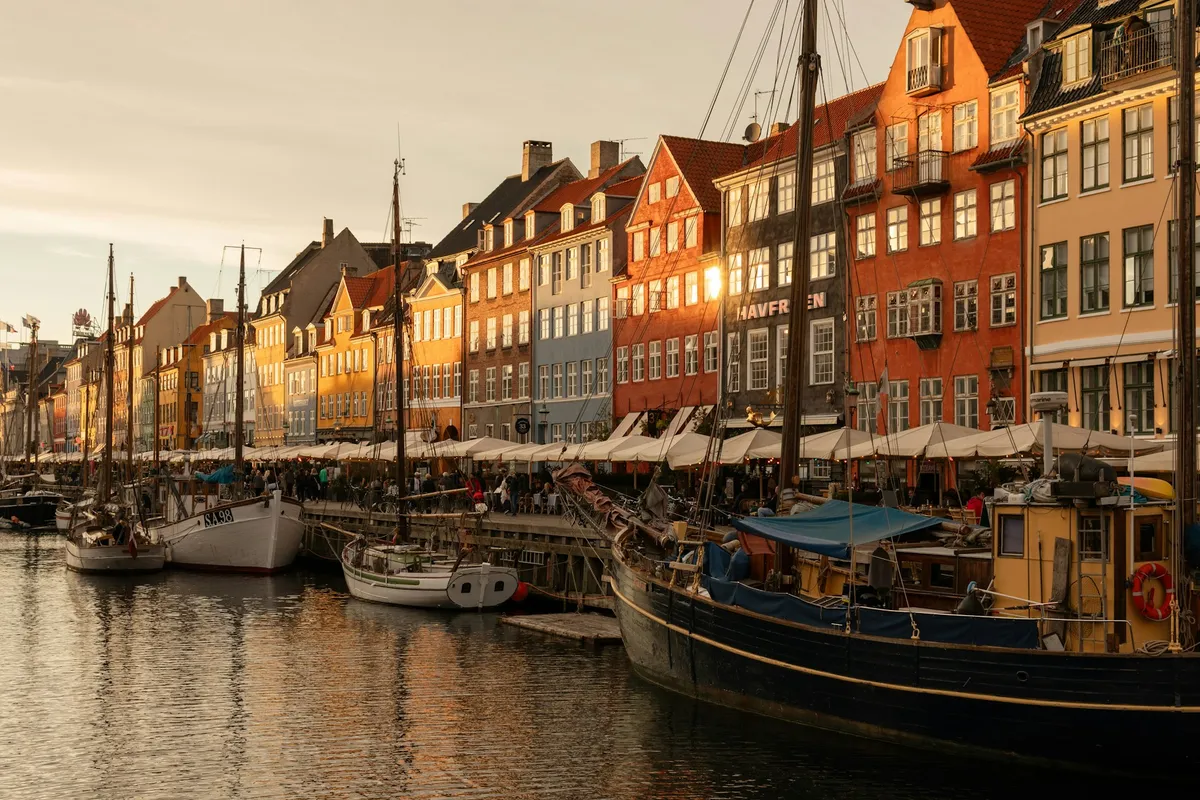
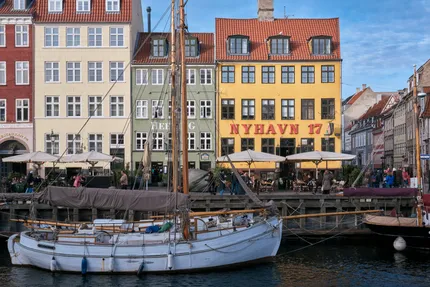
Nyhavn is a 17th-century waterfront canal lined with brightly colored townhouses, historic wooden ships, and a row of bars and restaurants. Once a working harbor district, it is now one of Copenhagen's most visited landmarks. Visitors can stroll along the quayside, enjoy a meal or drink outdoors, or take a canal boat tour to explore the city's waterways. Hans Christian Andersen once lived here.
15:30
Boat tour along the Copenhagen canals
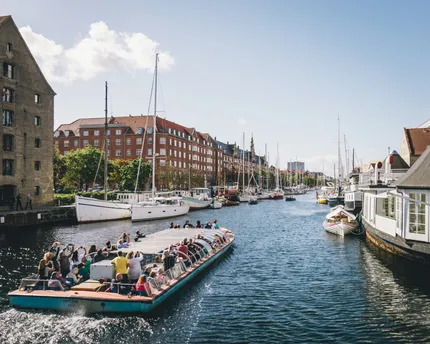
A boat tour along Copenhagen's canals offers a relaxed way to explore the city from the water. Routes typically pass landmarks such as the Little Mermaid statue, Nyhavn's colorful harbor, Christiansborg Palace, and the Opera House. Tours run frequently in warmer months, with both guided and self-guided options available. The perspective from the water provides a unique view of Copenhagen's architecture and waterfront life.
17:00
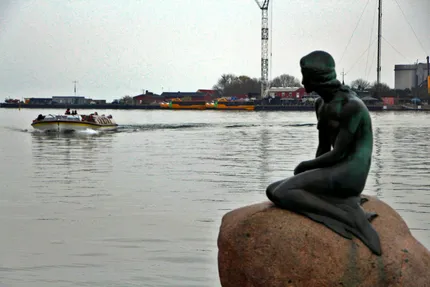
Walk to the Little Mermaid statue
The Little Mermaid is one of Copenhagen's most iconic landmarks, located along the Langelinie promenade near the harbor. The small bronze statue, created by sculptor Edvard Eriksen in 1913, was inspired by Hans Christian Andersen's fairy tale. It is an easy, pleasant walk from the city center along the waterfront. Despite its modest size, it remains one of Denmark's most visited attractions.
18:30
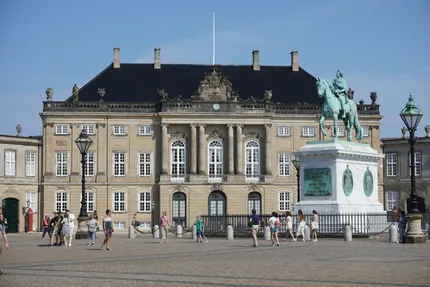
Relax at Amalienborg Palace Square
Amalienborg Palace Square is the official residence of the Danish royal family, consisting of four identical rococo palaces arranged around an octagonal courtyard. The centerpiece is an equestrian statue of King Frederick V. Visitors can watch the daily changing of the guard ceremony at noon, explore the surrounding area, and visit the onsite museum to learn about Danish royal history.
20:00
Dinner at a traditional Danish restaurant in Nyhavn
Nyhavn, Copenhagen's iconic 17th-century waterfront canal, is lined with colorful townhouses and a range of restaurants serving traditional Danish cuisine. Dining here offers dishes like smørrebrød (open-faced rye bread sandwiches), pickled herring, and Danish meatballs. The atmosphere is lively, especially in warmer months when outdoor seating fills the harbourside. It combines historic surroundings with a genuine taste of Danish culinary tradition.
22:00
Evening stroll along the waterfront
Copenhagen's waterfront offers a pleasant evening walk along the iconic Nyhavn canal, lined with colorful 17th-century townhouses, restaurants, and bars. Continue along the harbor promenade toward the Opera House and Royal Playhouse, enjoying views of the water and city lights. The area is lively but relaxed, with locals and visitors gathering at outdoor seating areas. The walk is flat, easy, and well-lit throughout.
Day #2
Culture, design, and the famous Tivoli Gardens
08:00
Breakfast at Grød porridge café
09:30
Visit the National Museum of Denmark
The National Museum of Denmark, located in central Copenhagen, is the country's largest museum of cultural history. Housed in an 18th-century palace, it covers Danish prehistory, the Viking Age, the Middle Ages, and beyond. The collection includes runic stones, medieval artifacts, and ethnographic exhibits from around the world. Admission to the permanent exhibitions is free, making it accessible for all visitors.
11:00
Explore the Danish Design Museum
The Danish Design Museum (Designmuseum Danmark) is housed in a former 18th-century hospital near the Amalienborg Palace. The collection spans centuries of Danish and international design, decorative arts, and fashion. Highlights include iconic mid-century Danish furniture, industrial design, and fashion exhibits. The museum offers insight into how Danish design principles, emphasizing functionality and simplicity, shaped modern aesthetics. A well-regarded design library is also accessible on-site.
12:30
Lunch at Papirøen (Paper Island) street food
Papirøen, or Paper Island, was Copenhagen's beloved street food market, housed in a former paper warehouse on the waterfront. Visitors browsed stalls offering diverse cuisines, from Danish smørrebrød to Asian and Middle Eastern dishes. The industrial setting, communal tables, and harbour views made it a lively lunch spot. Note that Papirøen closed in 2017, replaced by a residential development, though its concept inspired other Copenhagen food markets.
14:00
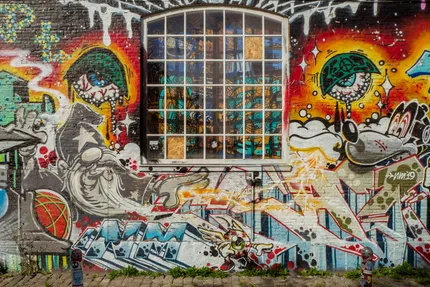
Visit Christiania – the freetown neighborhood
Christiania is a self-proclaimed autonomous neighborhood established in 1971 on a former military base in Copenhagen. Home to around 900 residents, it operates under its own social rules, with no cars and communal decision-making. Visitors explore colorful hand-built homes, art installations, live music venues, and craft shops. Photography is restricted in certain areas. It remains one of Europe's most unconventional and long-standing social experiments.
15:30
Explore Vesterbro neighborhood and Meatpacking District
17:00
Check out the Round Tower (Rundetårn) for panoramic views
The Rundetårn, or Round Tower, is a 17th-century astronomical tower built by King Christian IV and completed in 1642. Located in central Copenhagen, it features a unique equestrian spiral ramp rather than stairs, winding 7.5 times around a hollow core to the top. The 34.8-meter tower offers panoramic views over Copenhagen's rooftops and houses a small observatory still used for public stargazing.
18:30
Dinner at a New Nordic cuisine restaurant
Copenhagen is the birthplace of New Nordic cuisine, a movement championing local, seasonal Scandinavian ingredients. Restaurants like Noma helped define this global culinary shift. Dining here means experiencing dishes built around foraged herbs, fermented produce, smoked fish, and root vegetables. Many restaurants offer tasting menus that reflect the current season. Reservations are often essential, especially at well-known establishments, and prices tend to be high.
20:00
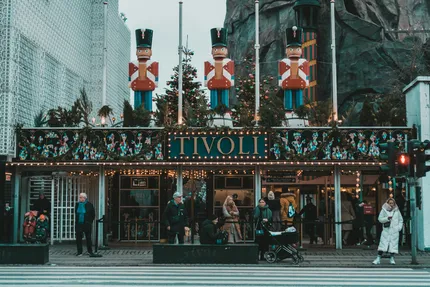
Evening at Tivoli Gardens – rides and entertainment
Tivoli Gardens is one of the world's oldest amusement parks, opened in 1843 in central Copenhagen. In the evening, the park transforms with thousands of lights illuminating its rides, gardens, and open-air stages. Visitors can enjoy classic and modern rides, live music performances, and a wide selection of restaurants and food stalls. The atmosphere is festive and family-friendly, making it a quintessential Copenhagen experience.
22:30
Nightcap at a craft beer bar in Vesterbro
Vesterbro, once Copenhagen's working-class meatpacking district, is now home to a thriving craft beer scene. Bars like Mikkeller Bar and Fermentoren offer rotating taps of local and international brews in relaxed, unpretentious settings. The neighborhood's Kødbyen area is particularly lively at night, attracting a mix of locals and visitors. It's a laid-back way to end an evening while sampling some of Denmark's innovative brewing culture.