
3 days in Buenos Aires
ArgentinaDay #1
Explore historic San Telmo and iconic Plaza de Mayo
08:00
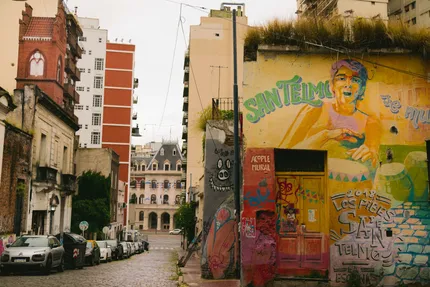
Breakfast at a traditional Buenos Aires café in San Telmo
San Telmo is one of Buenos Aires' oldest neighborhoods, known for its bohemian atmosphere and well-preserved colonial architecture. Traditional cafes here, some dating back over a century, serve classic Argentine breakfasts of medialunas (small croissants) with coffee or mate. These cafes are cultural institutions, offering a glimpse into local daily life away from tourist circuits, with marble tables, tiled floors, and unhurried service.
09:30
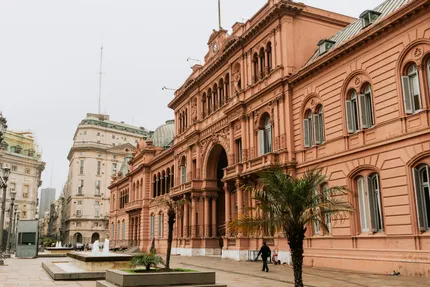
Visit Plaza de Mayo and Casa Rosada
Plaza de Mayo is the historic heart of Buenos Aires, serving as the city's main square since its founding in 1580. Bordering the plaza is the Casa Rosada, Argentina's iconic pink presidential palace, where Eva Peron famously addressed crowds. Visitors can explore the palace's museum, view the changing of the guard, and take in surrounding landmarks including the Buenos Aires Cabildo and the Metropolitan Cathedral.
10:30
Explore the Metropolitan Cathedral
The Metropolitan Cathedral on Plaza de Mayo is Buenos Aires' most important Catholic church and the seat of the Archbishop. Its neoclassical facade conceals a surprisingly grand interior. The cathedral houses the mausoleum of General José de San Martín, Argentina's revered independence hero, making it both a religious and national landmark. Visitors can explore the ornate nave, side chapels, and attend Mass, with free entry throughout the day.
11:30
Stroll through Calle Florida pedestrian street
Calle Florida is Buenos Aires' most famous pedestrian shopping street, stretching about 14 blocks through the city center. Lined with shops, bookstores, leather goods stores, and cafes, it draws both locals and tourists. Street performers and tango dancers frequently entertain passersby. The street connects several key landmarks, including the historic Galerias Pacifico mall, which features impressive murals painted by renowned Argentine artists.
13:00
Lunch at a local parrilla restaurant
Buenos Aires is famous for its parrilla restaurants, where beef is king. These traditional steakhouses serve cuts like bife de chorizo and asado, grilled over wood or charcoal. A typical lunch includes bread, chimichurri sauce, and a glass of Malbec. Neighborhood parrillas offer an authentic, unpretentious experience, giving visitors a genuine taste of Argentine food culture without the tourist markup.
14:30
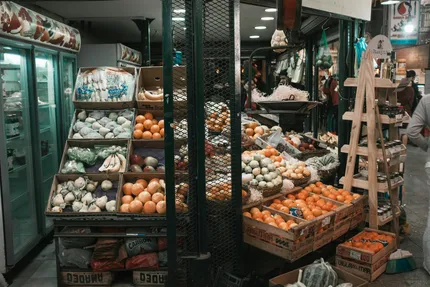
Visit the San Telmo Market (Mercado de San Telmo)
The Mercado de San Telmo is a historic covered market built in 1897, located in one of Buenos Aires' oldest neighborhoods. It features a mix of food stalls, antique dealers, and small restaurants beneath an impressive iron and glass roof. Visitors can browse local produce, sample traditional Argentine food, watch tango performances, and explore vintage goods. It remains a lively meeting point for both locals and tourists.
16:00
Explore San Telmo antique shops and street art
San Telmo is one of Buenos Aires' oldest neighborhoods, known for its cobblestone streets, colonial architecture, and vibrant antique scene. Browse shops and the famous Sunday market at Plaza Dorrego for vintage goods, silver, and curiosities. The neighborhood also serves as an open-air gallery, with murals and street art covering many walls, reflecting Argentina's rich tradition of political and artistic expression.
17:30
Watch tango street performers at Plaza Dorrego
Plaza Dorrego in the San Telmo neighborhood is one of Buenos Aires' oldest squares and a prime spot to watch tango street performers. On weekends, the plaza hosts an antiques market, and skilled dancers perform traditional tango for passersby. The atmosphere is authentic and lively, surrounded by colonial architecture, outdoor cafes, and vendors. Visitors can also join in or take a short impromptu lesson.
19:00
Return to hotel and freshen up
After a busy day exploring Buenos Aires, return to your hotel to rest and freshen up. Whether you are staying in the elegant Recoleta neighborhood, the trendy Palermo district, or the historic city center, your accommodation provides a comfortable retreat before heading out for Buenos Aires evenings, which typically begin late with dinner rarely starting before 9pm.
20:30
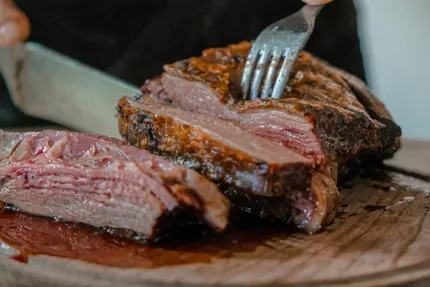
Dinner at a traditional Argentine steakhouse
Buenos Aires is renowned for its parrillas, traditional steakhouses serving world-class Argentine beef. Expect cuts like bife de chorizo or tira de asado, grilled over wood or charcoal by skilled asadores. Meals are unhurried, often accompanied by Malbec wine, chimichurri sauce, and simple sides. Neighborhoods like Palermo and San Telmo offer numerous well-regarded options catering to both locals and visitors.
22:30
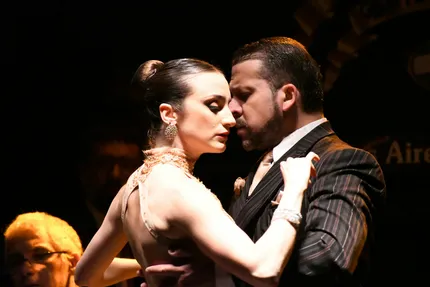
Tango show at a milonga in San Telmo
San Telmo is Buenos Aires' oldest neighborhood and the spiritual home of tango. A milonga is a social tango dance event held in venues ranging from grand historic halls to intimate clubs. Visitors can watch skilled dancers perform or join in themselves. Shows typically include live orchestras playing traditional tango music. The neighborhood's cobblestone streets and colonial architecture add to the atmosphere of an authentic Buenos Aires night out.
Day #2
Discover La Boca, Palermo parks and nightlife
08:00
Breakfast at hotel or nearby café
Start your day with breakfast at your hotel or explore one of Buenos Aires' many neighborhood cafés. The city has a strong café culture, with classic establishments like Café Tortoni offering coffee and medialunas, the local croissant. Many hotels include breakfast buffets featuring local and international options. Fueling up in the morning prepares you for a full day exploring this vibrant and expansive city.
09:30
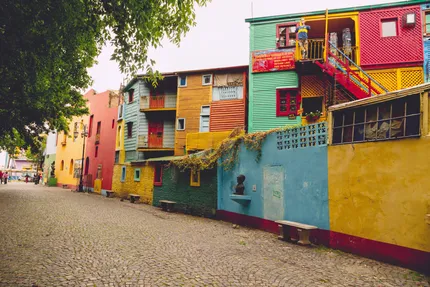
Visit La Boca neighborhood and the colorful Caminito street
La Boca is a working-class neighborhood in Buenos Aires known for its vivid, painted buildings and strong Italian immigrant heritage. Caminito is a narrow pedestrian street at its heart, lined with corrugated metal houses painted in bold colors. Street performers, tango dancers, and local artists animate the area. The neighborhood is also home to the Boca Juniors football club and its iconic Bombonera stadium nearby.
11:00
Explore La Bombonera stadium and museum
La Bombonera is the iconic home stadium of Boca Juniors, one of Argentina's most beloved football clubs. Located in the La Boca neighborhood, the stadium holds around 49,000 fans and is famous for its intense atmosphere. Visitors can tour the pitch, locker rooms, and the on-site museum, which showcases trophies, historic jerseys, and memorabilia tracing the club's rich football history.
13:00
Lunch at a restaurant in La Boca
La Boca is a colorful portside neighborhood in Buenos Aires, known for its vibrant street art and tango culture. Lunch here typically means sitting at one of the parrillas or traditional restaurants along or near the famous Caminito street. Expect classic Argentine dishes like grilled meats, empanadas, and pasta, reflecting the neighborhood's strong Italian immigrant heritage. Many restaurants offer live tango performances during service.
14:30
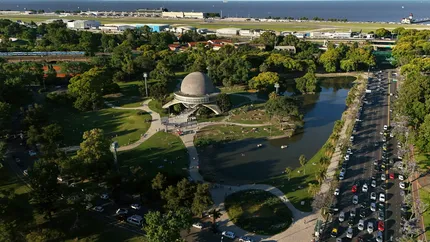
Head to Palermo and visit the Buenos Aires Ecological Reserve
Located in the Palermo neighborhood, the Buenos Aires Ecological Reserve sits along the Rio de la Plata riverbank and covers over 350 hectares. This urban nature reserve shelters diverse bird species, native plants, and small wildlife. Visitors can walk or cycle along its trails, enjoy views of the river, and escape the city's bustle. It offers a surprising contrast to the surrounding urban landscape.
16:00
Stroll through Palermo Soho boutiques and street art
Palermo Soho is Buenos Aires' trendiest neighborhood, known for its independent fashion boutiques, design shops, and vibrant street art. Cobblestone streets lined with low-rise buildings are covered in colorful murals by local and international artists. The area is ideal for browsing Argentine fashion labels, leather goods, and handcrafted items. Plaza Serrano sits at its heart, surrounded by cafes and bars that animate the neighborhood day and night.
17:30
Relax at Parque Tres de Febrero and visit the Rose Garden
Parque Tres de Febrero is a large public park in the Palermo neighborhood, offering peaceful lakes, walking paths, and open green spaces. Within the park, the Rose Garden (Rosedal) features thousands of roses arranged in formal beds, along with pergolas, sculptures, and a central pond. It is a popular spot for locals and visitors alike, particularly beautiful during the spring blooming season from October to November.
19:30
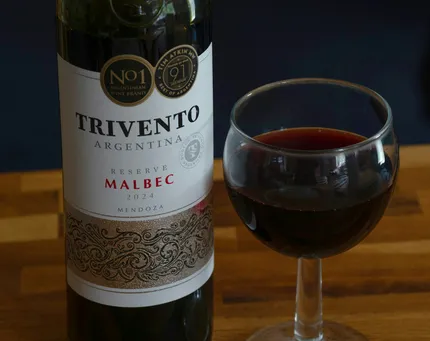
Pre-dinner drinks at a rooftop bar in Palermo
Palermo is Buenos Aires' trendiest neighborhood, packed with rooftop bars perfect for pre-dinner drinks. The area comes alive at sunset, when locals and visitors gather to enjoy cocktails overlooking tree-lined streets and the city skyline. Aperitivo culture is strong here, with bars serving classic Aperol spritzes, local Fernet and Coke, and creative craft cocktails. Most rooftops fill up between 7pm and 9pm before the late Argentine dinner hour.
21:00
Dinner at a trendy Palermo Hollywood restaurant
Palermo Hollywood is one of Buenos Aires' most vibrant dining neighborhoods, packed with creative restaurants ranging from modern Argentine cuisine to international options. The area buzzes with energy in the evenings, as locals rarely dine before 9pm. Expect quality cuts of beef, inventive wine lists featuring Malbec and Torrontés, and a lively atmosphere. Reservations are recommended at popular spots, especially on weekends.
23:00
Experience Buenos Aires nightlife at a Palermo bar or club
Palermo is the heart of Buenos Aires nightlife, packed with bars, craft beer spots, and clubs ranging from relaxed to high-energy. Porteños famously eat dinner late and head out after midnight, so most clubs only hit their stride around 2am. The neighborhood offers something for every taste, from intimate cocktail bars on cobblestone streets to larger venues with live music or DJ sets.
Day #3
Recoleta culture, shopping and farewell dinner
08:30
Breakfast at a café in Recoleta
Recoleta is one of Buenos Aires' most elegant neighborhoods, lined with French-inspired architecture, tree-shaded boulevards, and stylish cafés. Starting your day here means fresh medialunas, the local version of croissants, paired with cortado coffee. Many cafés offer outdoor seating, perfect for people-watching. The neighborhood sets a refined tone for the day before exploring nearby attractions like the Recoleta Cemetery or cultural centers.
09:30
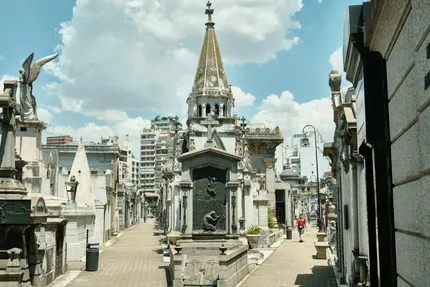
Visit the famous Recoleta Cemetery
Recoleta Cemetery is one of the world's most famous burial grounds, located in Buenos Aires' upscale Recoleta neighborhood. Opened in 1822, it contains elaborate mausoleums and sculptures housing prominent Argentine figures, including Eva Peron. The cemetery functions as an open-air museum, with winding pathways between ornate tombs representing various architectural styles such as Art Deco, Baroque, and Neo-Gothic. Admission is free.
11:00
Explore the Buenos Aires Museum of Fine Arts (MNBA)
The Museo Nacional de Bellas Artes (MNBA) is Argentina's most important art museum, housing over 12,000 works spanning Argentine and international art. Located in the Recoleta neighborhood, it features pieces by Rodin, Monet, Rembrandt, and Goya alongside a strong collection of Argentine artists. Admission is free, making it accessible to all visitors. The building itself, a former waterworks facility, adds architectural interest to the visit.
13:00
Lunch at a restaurant near Recoleta Cultural Center
The Recoleta neighborhood offers numerous dining options ranging from casual cafes to upscale restaurants. Many establishments near the Cultural Center serve traditional Argentine cuisine alongside international dishes. Expect classic items like milanesas, empanadas, and grilled meats, as well as fresh pasta and salads. The area has a European feel with tree-lined streets and outdoor seating, making it a pleasant spot for a midday meal.
14:30
Visit the Recoleta Cultural Center and current exhibitions
The Recoleta Cultural Center is a large, free arts space housed in a neoclassical building near the famous cemetery. It hosts rotating exhibitions spanning contemporary art, photography, sculpture, and design, alongside theater performances, workshops, and events. The sprawling complex features numerous galleries across multiple floors, making it one of Buenos Aires's most active cultural hubs. Check the schedule in advance as programming changes frequently throughout the year.
16:00
Shopping at Alvear Avenue luxury boutiques
Alvear Avenue in the Recoleta neighborhood is Buenos Aires's most prestigious shopping street, lined with international luxury brands such as Louis Vuitton, Cartier, and Ralph Lauren alongside high-end Argentine designers. The elegant boulevard features grand architecture, upscale hotels, and sophisticated boutiques. Visitors can browse fine jewelry, leather goods, and designer fashion while experiencing the refined atmosphere that reflects the city's European-influenced culture.
17:30
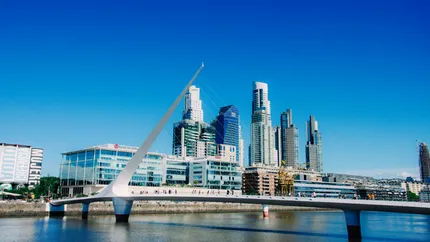
Visit Puerto Madero waterfront and walk the bridges
Puerto Madero is Buenos Aires' revitalized old port district, now a trendy waterfront neighborhood lined with converted red-brick warehouses turned restaurants, bars, and offices. A series of rotating pedestrian bridges span the inner docks, with the Puente de la Mujer being the most iconic, designed by Santiago Calatrava. The area offers pleasant walking paths along the water, modern architecture, and views of the ecological reserve nearby.
19:00
Sunset drinks at a Puerto Madero restaurant bar
Puerto Madero, Buenos Aires' revamped docklands district, offers a stylish setting for sunset drinks. Lining the waterfront, numerous upscale restaurant bars provide outdoor seating with views over the Rio de la Plata. As the sun dips below the horizon, the sky turns vivid shades of orange and pink. Sip local Malbec or a classic Aperol Spritz while watching the city skyline light up as evening begins.
20:30
Farewell dinner at an upscale Puerto Madero restaurant
End your Buenos Aires trip with a memorable dinner in Puerto Madero, the city's sleek waterfront district. This revitalized former dockland is home to some of the finest restaurants in Argentina, offering world-class cuts of beef, fresh seafood, and elegant wine lists. Dining here combines exceptional food with sophisticated surroundings, making it a fitting farewell to one of South America's most dynamic cities.
22:30
Evening walk along the Puerto Madero waterfront
Puerto Madero is Buenos Aires' revitalized dockland district, ideal for an evening stroll. Walk along the illuminated waterfront promenade, passing converted brick warehouses now home to upscale restaurants, bars, and cafes. The area borders the Ecological Reserve, offering views of the Rio de la Plata. The Puente de la Mujer, a striking rotating pedestrian bridge, is a highlight worth stopping to admire along the route.
Search for hotels:
This content was created with AI assistance and may contain inaccuracies.