
City break inBucharest
Bucharest, the capital of Romania, is a city of striking contrasts where grandiose communist-era architecture sits alongside elegant Belle Époque buildings and a vibrant contemporary culture. The city's centerpiece, the Palace of the Parliament, is one of the largest administrative buildings in the world and a must-see for any visitor. Beyond this monumental landmark, Bucharest offers a rich collection of museums, including the National Museum of Art and the Village Museum, an open-air ethnographic collection that showcases traditional Romanian architecture.
The old town district, known as Lipscani, buzzes with cafes, bars, and restaurants housed in historic buildings, making it the social heart of the city. Tree-lined boulevards, such as Calea Victoriei, reward leisurely walks past mansions and grand facades. Herastrau Park, surrounding a large lake in the northern part of the city, provides a welcome green escape. Bucharest is also one of the more affordable capitals in Europe, making it an attractive destination for travelers looking to get good value without sacrificing culture or experience.
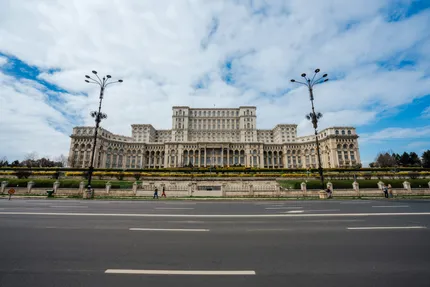
Palace of the Parliament
The Palace of the Parliament is one of the world's largest administrative buildings, constructed under Nicolae Ceaușescu in the 1980s. Visitors can tour its vast interior, featuring hundreds of chandeliers, marble halls, and grand chambers. The building houses Romania's parliament and hosts a contemporary art museum. Guided tours offer insight into its controversial history and the immense human and material resources required to build it.
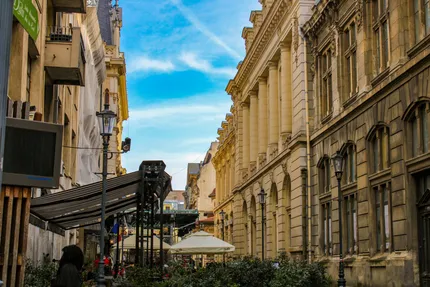
Old Town Lipscani
Lipscani is Bucharest's historic commercial district, once the heart of medieval trade in the city. Today it's a lively pedestrianized area filled with bars, restaurants, cafes, and shops housed in restored old buildings. The narrow cobblestone streets buzz with activity day and night, making it the social hub of the city. Remnants of old merchant guilds and historic structures give the area genuine character.
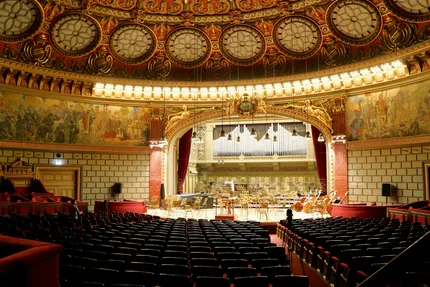
Romanian Athenaeum
The Romanian Athenaeum is a stunning neoclassical concert hall built in 1888 and one of Bucharest's most iconic landmarks. Located in the city center, it serves as home to the George Enescu Philharmonic Orchestra. Its grand circular hall features a large fresco depicting Romanian history. The building is a symbol of Romanian culture and was designated a European Heritage Site in 2007.
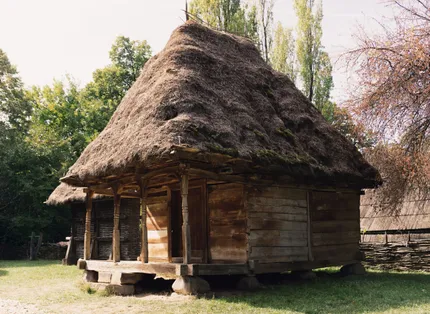
The Village Museum
The Village Museum (Muzeul Satului) is an open-air ethnographic museum situated on the shores of Herastrau Lake in northern Bucharest. Founded in 1936, it displays over 300 authentic rural households, churches, and workshops gathered from across Romania. Visitors can explore traditional architecture, folk art, and crafts representing the country's diverse regional cultures, making it one of Europe's oldest and largest open-air museums.
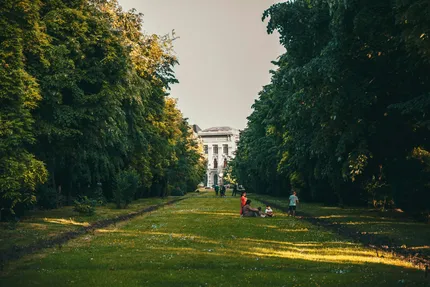
Cismigiu Gardens
Cismigiu Gardens is Bucharest's oldest and most central public park, established in the mid-19th century. Spanning around 17 hectares, it features a large lake where visitors can rent rowboats, tree-lined walkways, flower beds, and statues. The park hosts a Romanian Writers' Alley and has several cafes on site. It serves as a popular gathering spot for locals year-round.
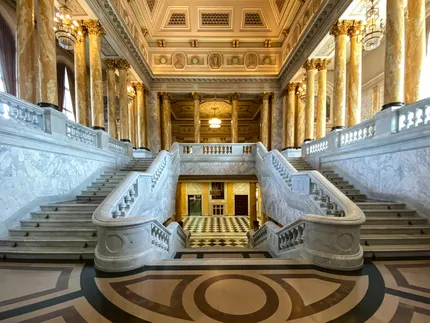
National Museum of Art
The National Museum of Art of Romania, housed in the former Royal Palace on Calea Victoriei, holds an impressive collection of Romanian and European art. The Romanian Gallery showcases medieval art, icons, and works by prominent local artists, while the European Gallery features paintings by El Greco, Rembrandt, and Rubens. It is one of the most significant cultural institutions in the country.
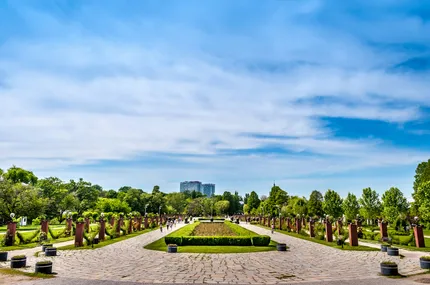
Herăstrău Park
Herăstrău Park is Bucharest's largest and most popular park, surrounding the northern shore of Lake Herăstrău. Spanning over 180 hectares, it offers walking and cycling paths, boat rentals, open-air restaurants, and stages for concerts and events. The park also houses the Village Museum, an open-air ethnographic collection showcasing traditional Romanian architecture and rural life from across the country.

Carturesti Carusel
Carturesti Carusel is a stunning bookstore located in a restored 19th-century building in Bucharest's old town. Spread across six floors, it features a striking white interior with spiral staircases, housing thousands of books, music, films, and art objects. It also contains a bistro on the top floor. Widely regarded as one of the most beautiful bookstores in Europe, it is a cultural landmark worth visiting.
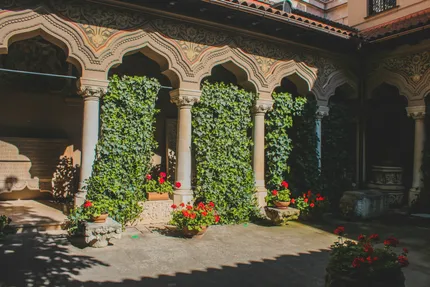
Stavropoleos Monastery
The Stavropoleos Monastery is a small but remarkably beautiful Orthodox monastery in central Bucharest, built in 1724. Its courtyard combines Romanian, Byzantine, and Ottoman architectural elements, featuring intricate stone carvings and decorative arches. The attached church contains valuable medieval icons and religious art. The monastery also houses a library with rare manuscripts and old books, making it one of Bucharest's most historically significant and architecturally refined landmarks.
Who should visit Bucharest
Bucharest is a particularly good fit for history enthusiasts, especially those interested in 20th-century political history. The legacy of communist Romania is deeply embedded in the city's urban fabric, from the enormous Palace of the Parliament to entire neighborhoods reshaped by Nicolae Ceausescu's urban planning vision. Visitors with an interest in this period will find Bucharest endlessly fascinating and thought-provoking. Architecture lovers will also feel at home here, as the city presents an unusual layering of Ottoman-influenced structures, French-inspired Belle Époque buildings, and heavy socialist realist monuments, all within walking distance of each other. Art and museum enthusiasts will find enough to fill several days, with collections ranging from medieval Romanian art to contemporary works.
The city is also a strong destination for nightlife-oriented travelers, as Bucharest has a well-established club and bar scene, particularly around the Lipscani old town area. Budget travelers will appreciate that accommodation, food, and transport are considerably cheaper than in most Western European capitals. Bucharest is less suited to those primarily seeking nature-based activities or beach holidays, as the city itself is landlocked and the surrounding landscape is relatively flat.

Best time to visit Bucharest
The best time to visit Bucharest is late spring, from April to June, when temperatures are mild and pleasant, typically ranging between 15 and 25 degrees Celsius. This period brings blooming parks and outdoor terraces in full swing. Early autumn, particularly September and October, is equally appealing, with warm days, fewer crowds, and a rich cultural calendar. July and August can be uncomfortably hot, while winter months are cold and occasionally harsh, though the Christmas markets in December offer a charming seasonal attraction.
Three top reasons for a city trip to Bucharest
- The Palace of the Parliament is the world's second largest administrative building, built under Ceausescu. Guided tours reveal its staggering scale, marble interiors and Soviet-era excess.
- Bucharest's Old Town district offers a dense concentration of Belle Epoque architecture, lively bars and restaurants, reflecting the city's pre-war reputation as the Little Paris of the East.
- The city's communist history is uniquely accessible through sites like Ceausescu's former residence at Snagov and the Revolution Square, where the 1989 uprising culminated in his overthrow.
Bucharest is equipped with an extensive public transportation system that includes buses, trams, trolleybuses, and a metro with four lines, making it easy to navigate without a car. The city's metro is particularly reliable and covers major parts of the metropolis efficiently. Bucharest is also relatively walkable within its central district, where you'll find many attractions clustered together. Bicycle lanes are limited, but there's an increasing move towards enhancing cycling infrastructure. For those opting to drive, be advised that traffic can be quite congested during peak hours. Ride-sharing services like Uber and Bolt are widely available and affordable. You can also rent electric scooters, which is a popular option among locals and tourists alike, allowing you to explore the city more freely.
This content was created with AI assistance and may contain inaccuracies.