
City break inBelgrade
Belgrade sits at the confluence of the Danube and Sava, a lively capital where layers of history meet an easygoing café culture. Start at Kalemegdan Fortress, whose ramparts overlook the rivers and the old town below. Stroll car‑free Knez Mihailova Street to Republic Square, then duck into Skadarlija’s cobbled lanes for traditional kafana dining and live tamburica music. The vast Church of Saint Sava and the Nikola Tesla Museum showcase national icons, while Zemun’s riverside promenade and Gardoš Tower add a village feel. Across the bridges, New Belgrade’s striking modernism and Brutalist landmarks contrast with 19th‑century facades. After dark, floating river clubs (splavovi) and intimate jazz bars keep the city buzzing.
Daytime brings markets like Kalenić, street art in Savamala, and leisurely walks along the quays. On warm days, locals flock to Ada Ciganlija’s lakeside beaches and bike paths. New promenades around the Belgrade Waterfront link cafes, parks, and river views, making aimless exploring easy. Belgrade is compact, affordable, and social, with good coffee, hearty Balkan dishes, and generous hospitality. It’s a city made for wandering, people‑watching, and spontaneous nights by the water.
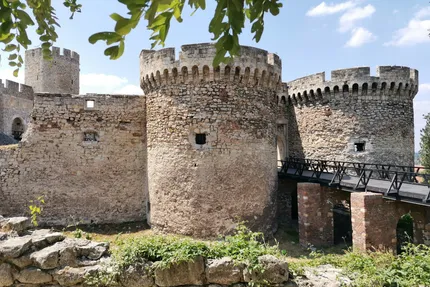
Belgrade Fortress
Explore Belgrade Fortress, a historic site offering stunning views of the confluence of the River Sava and Danube. This ancient fortress, surrounded by the Kalemegdan Park, provides insight into the city's rich history and a peaceful retreat from urban life.
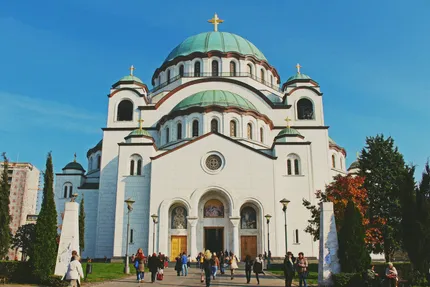
St. Sava Temple
Visit St. Sava Temple, one of the largest Orthodox churches in the world. Its impressive white marble and granite facade houses intricate frescoes and a stunning gold-plated mosaic interior, embodying Serbia’s religious and cultural heritage.
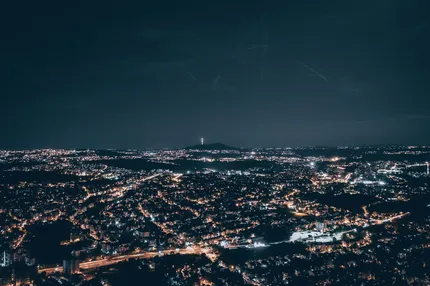
Nightlife
Belgrade nightlife buzzes with energy, offering vibrant clubs, cozy bars, and live music venues. Riverfront splavs host all-night parties, while Skadarlija charms with bohemian vibes. A blend of tradition and modernity thrives.
Knez Mihailova Street
Stroll along Knez Mihailova Street, Belgrade's bustling pedestrian boulevard lined with 19th-century architecture. This shopping and cultural hub boasts numerous cafes, shops, and street performances, providing a vibrant atmosphere day and night.
Skadarlija
Wander through Skadarlija, Belgrade's charming bohemian quarter. Known for its cobblestone streets and traditional Serbian restaurants, this area captures the essence of old-world charm and vibrant nightlife.
Ada Ciganlija
Enjoy nature and recreation at Ada Ciganlija, a river island turned popular leisure spot. With beaches, sports facilities, and walking trails, it's a perfect escape for locals and tourists alike, offering activities like cycling and kayaking.
Nikola Tesla Museum
Explore the Nikola Tesla Museum, dedicated to the renowned inventor and electrical engineer. The museum houses original documents and personal artifacts, showcasing Tesla's life and groundbreaking work in a fascinating exhibition.
Republic Square
Visit Republic Square, Belgrade's main public space and cultural heart. Surrounded by significant landmarks including the National Theatre and National Museum, it's a popular gathering place for both locals and visitors.
Zemun
Discover Zemun, a picturesque neighborhood known for its charming Austro-Hungarian architecture. Stroll along the banks of the Danube, enjoy views from Gardos Tower, and indulge in riverside dining experiences.
Museum of Yugoslavia
Visit the Museum of Yugoslavia, preserving the cultural history of the former Yugoslav state. Explore exhibits that chronicle Tito’s life, the post-war era, and the diverse cultural heritage of the region.
Who should visit Belgrade
Belgrade suits travelers who like energy, history, and value packed into a long weekend. Nightlife seekers will find options from late‑running river barges (splavovi) playing electronic, turbo‑folk, or live bands, to intimate cocktail dens and jazz clubs around Dorćol and Cetinjska. Food‑motivated visitors can dig into affordable, generous meals—ćevapi, burek, beans from the pot, grilled river fish—paired with local wines or rakija in traditional kafane or contemporary bistros. Architecture fans get a rare mix: Ottoman remnants, Austro‑Hungarian streets, the monumental Temple of Saint Sava, and standout socialist modernism and Brutalism in New Belgrade, including the Genex Tower and the Palace of Serbia. Museum‑goers have focused, manageable stops like the Nikola Tesla Museum, National Museum, and Museum of Contemporary Art. Active city trippers can cycle the riverside paths, join a kayak or SUP session, or spend a few beach hours at Ada Ciganlija without leaving town.
If you enjoy neighborhoods over checklists, base yourself near Knez Mihailova, Dorćol, or Savamala for cafes and easy tram or bus links. Budget‑minded travelers benefit from reasonable hotel and taxi prices; English is widely spoken by younger locals. For families, Kalemegdan’s open spaces, river walks, and play areas work well. If you prefer quiet, aim for weekdays outside summer, when the city keeps its charm but turns the volume down. Street‑art spotters and photographers will find murals in Savamala and Dorćol, plus panoramic shots from Gardoš and Kalemegdan.

Best time to visit Belgrade
Late April to June and September to early October offer the best balance of pleasant weather and lively events. Spring brings mild days around 18–24°C, blooming parks, the Belgrade Marathon, and Museum Night, while summer crowds have yet to peak. Early autumn is similarly comfortable, with grape‑harvest flavors on menus and major festivals like BITEF (theatre) and the Belgrade Music Festival. July and August can be hot (often 30–35°C), but river breezes and Ada Ciganlija’s beaches help; nightlife is in full swing. Winters are colder, short‑dayed, and occasionally snowy; December–January is festive but better for indoor‑focused itineraries.
Three top reasons for a city trip to Belgrade
- Experience Belgrade’s legendary nightlife: floating splavovi clubs on the Sava and Danube, bohemian Skadarlija kafanas with live tamburica, cafés along Knez Mihailova, and Savamala bars keeping energy high until dawn.
- Explore layers of history at Kalemegdan Fortress overlooking the Sava–Danube confluence, monumental Church of Saint Sava, Nikola Tesla Museum, Yugoslav History Museum and Tito’s House of Flowers, plus socialist-modernist architecture.
- Savor Serbian cuisine and outdoor life: ćevapi with kajmak, burek, and rakija; riverside sunset strolls in Zemun to Gardoš Tower; beach days at Ada Ciganlija; stylish dining at Beton Hala.
Belgrade, the vibrant capital of Serbia, offers several convenient ways to explore its diverse neighborhoods and attractions. Public transportation is quite efficient, with a network of buses, trams, and trolleybuses serving most areas. Tickets are affordable and can be purchased at kiosks or from the driver. For a more flexible option, consider using the city's affordable taxi services or ridesharing apps like CarGo. Walking is an enjoyable way to discover the central districts, with key sights such as Kalemegdan Fortress and Knez Mihailova Street easily accessible on foot. While cycling infrastructure is limited, cycling enthusiasts can take advantage of the shared bike program and the scenic routes along the Danube River. Overall, using a combination of public transport and walking is the best way to get around Belgrade, although having a car might be useful for exploring suburban areas and reaching certain attractions outside the city center.
This content was created with AI assistance and may contain inaccuracies.