
3 days in Belgrade
SerbiaDay #1
Old town stroll, fortress sunset, bohemian dinner and drinks
15:00
Hotel check-in and freshen up
16:00
Stroll Knez Mihailova and Republic Square
Explore Belgrade's pedestrian heart along Knez Mihailova, lined with 19th-century architecture, boutiques, cafes, galleries, and frequent street performances, leading toward Kalemegdan Fortress. Pause at nearby Republic Square, the city's main meeting point, anchored by the Prince Mihailo Monument, the National Museum, and the National Theatre. Evenings are lively with a bustling cafe scene.
17:30
Coffee break at a Dorćol cafe
18:30
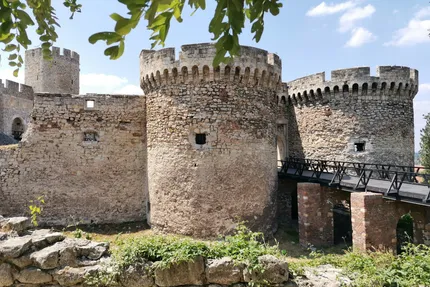
Kalemegdan Fortress walk and sunset at the confluence
Walk through Kalemegdan Park to Belgrade Fortress, exploring gates, ramparts, and the Military Museum area, then continue to the Pobednik (Victor) statue for open views of the Sava–Danube confluence. Sunset highlights the city skyline and rivers. Entry is free; paths are uneven in places, so wear comfortable shoes and arrive 30–45 minutes before dusk.
20:30
Traditional dinner with music in Skadarlija
Skadarlija is Belgrade’s bohemian quarter, known for cobblestone streets and historic kafanas serving traditional Serbian fare. A typical evening features live tamburica or accordion music, hearty dishes like grilled meats, sarma, and kajmak, plus rakija. Expect a lively, late-night atmosphere, shared tables, and occasional serenades. Reservations recommended, especially weekends; prices moderate to slightly higher.
22:30
Drinks in Cetinjska bar district or Beton Hala
Choose between two nightlife hubs: Cetinjska’s former industrial courtyard near Skadarlija, packed with alternative bars, craft beer spots, and live DJs, buzzing until late; or Beton Hala on the Sava riverfront in Savamala, a sleek strip of restaurant-bars with terraces and cocktails. Expect busy weekends, outdoor seating in season, and contrasting vibes and prices.
Day #2
Icons, museums, parks, Zemun riverside sunset, nightlife
08:30
Breakfast: burek and yogurt at a local pekara
09:30
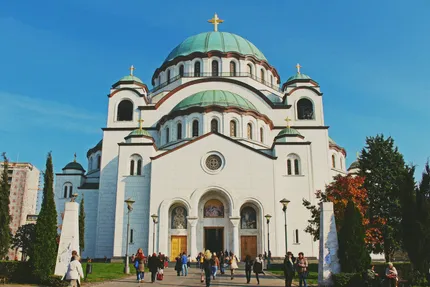
Visit Saint Sava Temple and Vračar plateau
Explore Saint Sava Temple, one of the world’s largest Orthodox churches, on Belgrade’s Vračar plateau. Admire its white marble facade, soaring dome, and gold mosaics in the crypt and nave. Stroll the landscaped square with fountains and the Saint Sava monument, and enjoy city views from this hilltop area. Modest attire recommended; entry is free.
10:30
Nikola Tesla Museum tour
Visit Belgrade’s Nikola Tesla Museum for a guided tour featuring live demonstrations of Tesla coils and interactive exhibits explaining AC power, wireless transmission, and induction. See original instruments, models, photographs, and Tesla’s personal effects and archives. Tours run at scheduled times (often in Serbian and English). Space is limited; check tour times and ticketing in advance.
11:45
Coffee on Njegoševa Street
13:00
Lunch at a modern Serbian bistro in Vračar
Vračar’s modern Serbian bistros blend classic flavors with contemporary technique. Expect seasonal meze, fresh salads, grilled meats, slow-cooked stews, and staples like kajmak and ajvar, paired with local wines or rakija. Lunch is relaxed yet quick. Prices are mid-range. Reservations help on weekends; many spots offer outdoor seating near the Temple of Saint Sava.
14:30
Museum of Yugoslavia and House of Flowers
Located in Dedinje, the Museum of Yugoslavia comprises the May 25 Museum, Old Museum, and the House of Flowers. Exhibits trace Yugoslavia’s 20th-century history, Tito’s leadership, the Non-Aligned Movement, and everyday culture. The House of Flowers is Josip Broz Tito’s mausoleum (also Jovanka Broz’s), set amid gardens, with memorial displays including Youth Relay batons and state gifts.
16:30
Ušće Park walk and river views
Ušće Park offers flat, riverside paths at the confluence of the Sava and Danube in New Belgrade. Walk shaded avenues and open lawns with clear views toward Kalemegdan Fortress and Great War Island. Benches, bike lanes, and riverside promenades suit relaxed strolls, sunsets, and people-watching. Nearby landmarks include the Museum of Contemporary Art and Ušće Shopping Center.
17:30
Zemun Gardoš Tower and sunset viewpoint
Zemun’s Gardoš Tower, the 1896 Millennium Tower on Gardoš Hill, offers one of Belgrade’s best sunset viewpoints. Climb the tower for panoramic views over the Danube, Zemun’s red roofs, and the city skyline. Reach it via cobbled lanes and the riverfront. The surrounding old quarter has cafes and bars, making it an easy evening stop.
19:00
Dinner at a Zemun riverside kafana
Dine along the Danube in Zemun’s riverside kafane, traditional taverns known for grilled meats, river fish, fresh salads, and rakija. Expect relaxed service, live tamburica music on some nights, and views toward Gardoš and New Belgrade. Go at sunset, reserve on weekends, and bring cash; some venues are splavovi (floating) and open late.
21:00
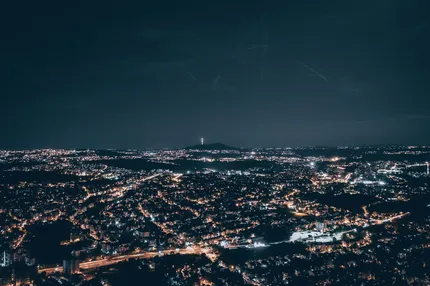
Drinks on Danube splavovi or riverside bars
Belgrade’s Danube splavovi—floating bars and clubs—line the Zemun quay and Ušće area, offering sunset views toward Great War Island. Expect everything from chilled cafes to DJ nights, open late, with peak season May–September. Try rakija, local craft beer, and cocktails. Weekends are busy; reservations help. Reach by taxi or riverside promenade; check seasonal schedules.
23:30
Late-night rakija tasting at a local bar
Sample Serbia’s signature fruit brandy in a lively Belgrade bar, where rakija is poured in small glasses and sipped slowly. Expect varieties like šljivovica (plum), dunja (quince), kajsija (apricot), viljamovka (pear), and medovača (honey), often paired with meze. Ask bartenders for regional recommendations. Nightlife runs late; pace yourself—proofs are high.
Day #3
Market morning, riverside stroll, brunch, depart by afternoon
08:30
Browse Kalenić Market for local snacks and produce
Kalenić Market (Kalenić pijaca) in Vračar is one of Belgrade’s busiest green markets, operating daily since the 1920s. Browse stalls piled with seasonal fruits and vegetables, local cheeses and kajmak, cured meats, ajvar, honey, rakija, and fresh flowers. Go early for best selection, bring cash, and expect friendly vendors and light haggling.
10:00
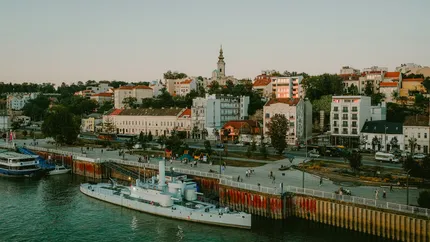
Savamala street art walk and coffee
Explore Savamala, Belgrade’s riverside creative district, on a street art walk. Large murals and tags cover facades, tunnels, and the Brankov Bridge underpasses, especially along Karadjordjeva and nearby lanes. Pause for coffee at KC Grad or neighborhood cafes, then continue toward the riverfront warehouses and Beton Hala. Go in daylight; surfaces change frequently.
11:30
Brunch near Beton Hala with river views
Beton Hala’s riverfront strip in Savamala offers scenic brunches with terraces overlooking the Sava. Popular choices include Ambar and Toro, known for lively weekends and shared plates. Arrive late morning, book ahead for weekends, and expect mid-range prices. After eating, stroll the promenade toward Kalemegdan or the confluence for views.