
City break inSingapore
Singapore is a city-state that punches far above its weight for a destination of its size. Perched at the southern tip of the Malay Peninsula, it seamlessly blends four distinct cultural worlds - Chinese, Malay, Indian, and colonial British - into one remarkably efficient and clean metropolis. The skyline alone tells a story of ambition, with iconic structures like Marina Bay Sands, the Supertree Grove at Gardens by the Bay, and the futuristic domes of the Cloud Forest competing for attention. Yet the city's soul is found in its older neighborhoods: the shophouses of Chinatown, the temples and textile shops of Little India, and the waterfront promenade of the historic Civic District.
Food is perhaps Singapore's greatest cultural export, and the hawker centers - where Michelin-recognized dishes cost just a few dollars - are unmissable. Despite its compact size, Singapore rewards exploration. Efficient public transport makes every corner of the island easily accessible, and the city maintains a standard of safety and infrastructure that makes navigation straightforward for any visitor.
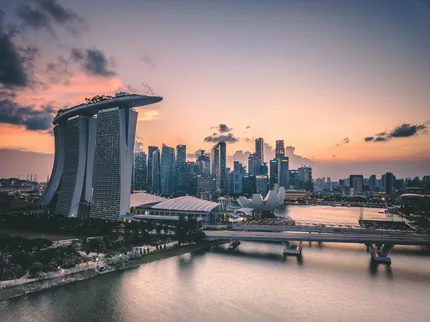
Marina Bay Sands
Marina Bay Sands is an iconic integrated resort dominating Singapore's skyline. The complex features a luxury hotel with three towers topped by the famous SkyPark observation deck, offering panoramic city views. Visitors can explore a high-end shopping mall, numerous restaurants helmed by celebrity chefs, a casino, and an art science museum. The rooftop infinity pool is exclusively reserved for hotel guests.
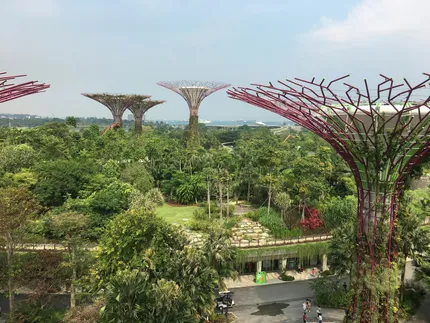
Gardens by the Bay
Gardens by the Bay is a sprawling nature park spanning 101 hectares in central Singapore. Its iconic Supertree Grove features towering vertical gardens that light up at night during the free Garden Rhapsody sound and light show. The site also houses two cooled conservatories, the Flower Dome and Cloud Forest, showcasing diverse plant life from Mediterranean climates and tropical highlands respectively.
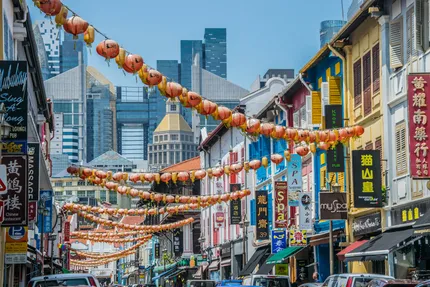
Chinatown & Cultural Districts
Singapore's Chinatown is a vibrant historic district packed with shophouses, temples, and street markets. Visit the Buddha Tooth Relic Temple, browse stalls along Pagoda Street, and sample local dishes at the hawker centres. Nearby, Little India and Kampong Glam offer additional cultural layers, with colorful streets, mosques, and markets reflecting Singapore's multicultural identity. Together these districts provide an authentic window into the city's diverse heritage.
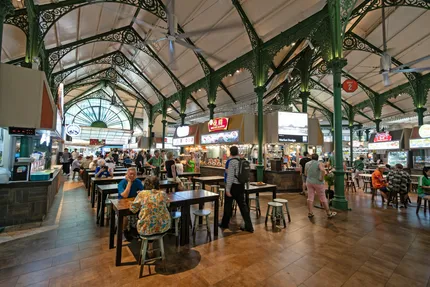
Hawker Centres
Hawker centres are open-air food courts found across Singapore, offering an enormous variety of affordable local dishes under one roof. Iconic centres like Maxwell Food Centre, Lau Pa Sat, and Old Airport Road host dozens of stalls serving classics such as chicken rice, laksa, char kway teow, and satay. In 2020, Singapore's hawker culture was inscribed on UNESCO's Intangible Cultural Heritage list, recognising its deep social and culinary significance.
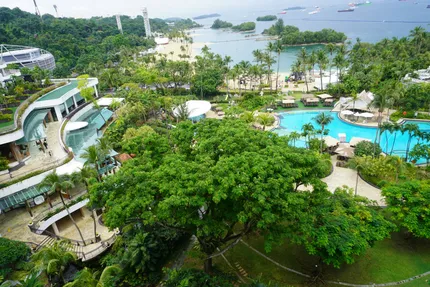
Sentosa Island
Sentosa Island is a resort island off Singapore's southern coast, accessible by cable car, monorail, or a short drive. It is home to Universal Studios Singapore, S.E.A. Aquarium, Adventure Cove Waterpark, and several beaches. The island offers a wide range of entertainment, dining, and accommodation options, making it a popular destination for families, tourists, and locals looking for leisure activities.
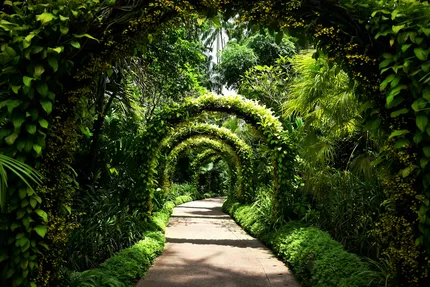
Singapore Botanic Gardens
The Singapore Botanic Gardens is a 160-hectare tropical garden founded in 1859 and a UNESCO World Heritage Site. It features themed gardens, including the National Orchid Garden, which showcases over 1,000 orchid species and hybrids. The gardens offer walking trails, lakes, and open lawns. Entry to the main grounds is free, though the National Orchid Garden charges a small admission fee.
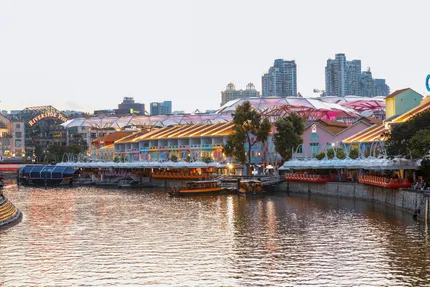
Clarke Quay & the Singapore River
Clarke Quay is a historic riverside quay along the Singapore River, once a bustling trading hub during the colonial era. Today it is a popular entertainment district filled with restaurants, bars, and nightlife venues housed in restored 19th-century warehouses. The riverside promenade is ideal for evening strolls, offering views of the city skyline and insight into Singapore's mercantile heritage through nearby landmarks and preserved shophouses.
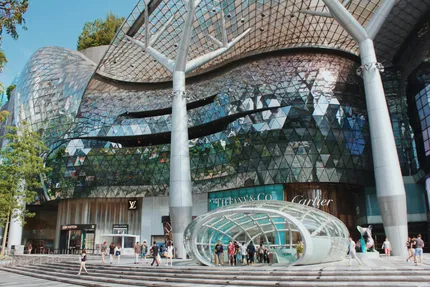
Orchard Road
Orchard Road is Singapore's premier shopping belt, stretching about 2.2 kilometres through the heart of the city. It is lined with major malls including Ion Orchard, Takashimaya, and Ngee Ann City, offering everything from luxury brands to high street fashion. Beyond shopping, the street features hotels, restaurants, and entertainment options, making it a central hub for both tourists and locals throughout the day and evening.
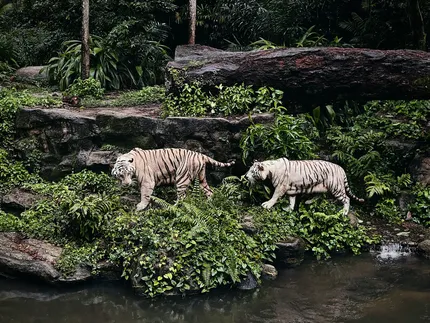
Singapore Zoo & Night Safari
The Singapore Zoo is an open-concept wildlife park home to over 2,800 animals across 300 species. Its sister attraction, the Night Safari, is the world's first nocturnal wildlife park, offering tram rides and walking trails through habitats showcasing animals active after dark. Together they provide an immersive wildlife experience set within the lush Mandai rainforest in northern Singapore.
Who should visit Singapore
Singapore is an excellent destination for food enthusiasts who want to explore a genuinely world-class culinary scene ranging from hawker stalls to high-end restaurants, all within a compact and walkable setting. The city rewards those with an interest in cultural history and urban architecture, particularly visitors who want to observe how Chinese, Malay, Indian, and British colonial influences coexist in a single urban environment. Neighborhoods like Kampong Glam, Little India, and Chinatown each have distinct characters worth spending half a day in. Shoppers will find one of Southeast Asia's most developed retail landscapes, from luxury malls along Orchard Road to independent boutiques in Haji Lane.
Families traveling with children are well catered for, with Sentosa Island offering Universal Studios Singapore, S.E.A. Aquarium, and beach access in close proximity. Nature-oriented travelers will also find more than expected - the Southern Ridges trail network, Bukit Timah Nature Reserve, and the Sungei Buloh Wetland Reserve offer genuine green escapes without leaving the city. Singapore is less suited to travelers seeking nightlife-focused trips on a tight budget, as alcohol is expensive and nightlife options are more limited compared to regional competitors like Bangkok or Kuala Lumpur.

Best time to visit Singapore
Singapore sits just one degree north of the equator, meaning heat and humidity are constants year-round, with temperatures hovering between 25–33°C. The driest and most comfortable period runs from February to April, making it the most pleasant time to visit. The northeast monsoon brings heavier rains from November through January, while August and September tend to be drier. Mornings are generally the best time for outdoor sightseeing before afternoon heat peaks.
Three top reasons for a city trip to Singapore
- Singapore's hawker centres, like Maxwell Food Centre and Lau Pa Sat, offer extraordinary local dishes such as Hainanese chicken rice, laksa, and char kway teow at very affordable prices.
- The Gardens by the Bay feature iconic Supertree structures and climate-controlled biodomes showcasing rare plants from around the world, making it a unique urban nature experience.
- Singapore's efficient MRT system and English-speaking population make it exceptionally easy to explore diverse cultural enclaves like Chinatown, Little India, and Kampong Glam within a single day.
Singapore is one of the easiest cities in Asia to get around without a car. The Mass Rapid Transit (MRT) system is extensive, reliable, and affordable, connecting most major attractions, neighborhoods, and business districts. Buses complement the MRT network well, reaching areas not covered by the rail system. The entire public transport network is integrated, and you can pay with a stored-value EZ-Link card or contactless bank cards. Taxis and ride-hailing apps like Grab are widely available and reasonably priced by international standards. Singapore is less suited to cycling, though dedicated paths exist in some areas like East Coast Park and Pulau Ubin. Walking is pleasant in many neighborhoods, though the tropical heat and humidity can make longer walks uncomfortable. Owning a car in Singapore is extremely expensive due to government-imposed vehicle quotas and taxes, making public transport the preferred choice for residents and visitors alike.
This content was created with AI assistance and may contain inaccuracies.