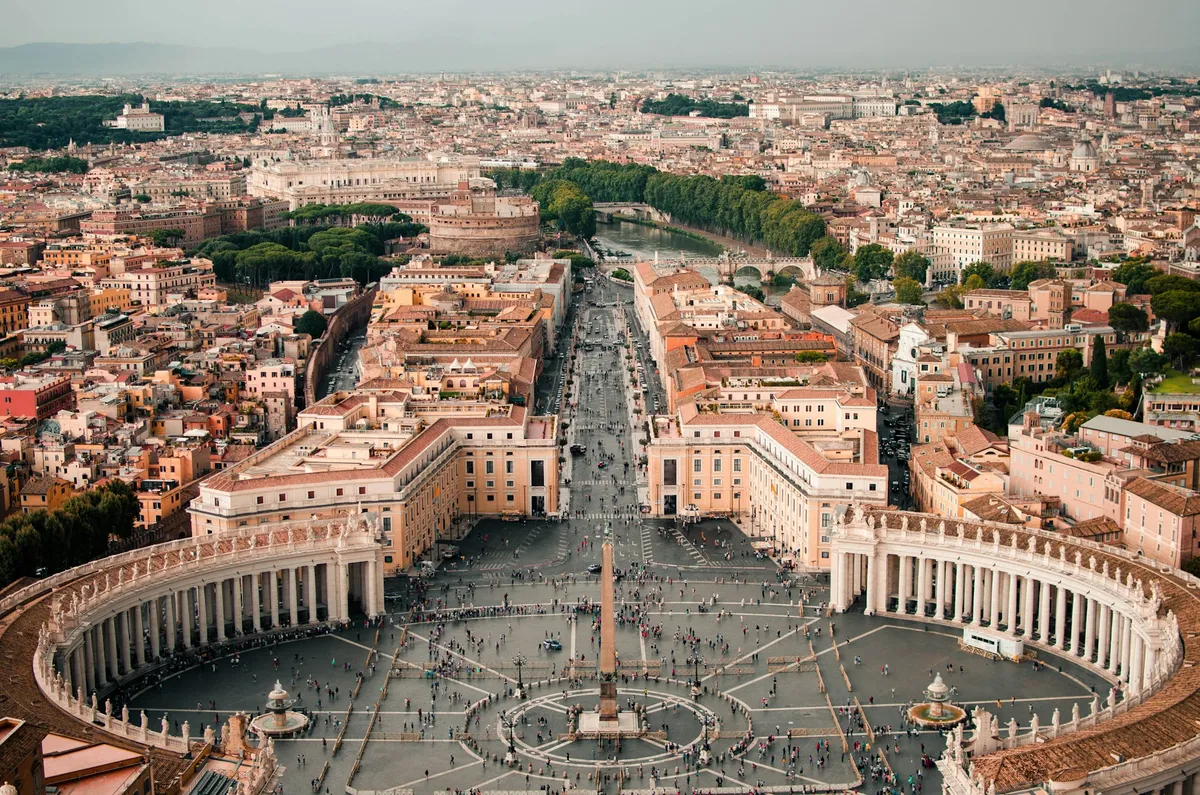
3 days in Rome
ItalyDay #1
Ancient Rome: Colosseum, Forum, and Palatine Hill
08:00
Breakfast at a local café near the hotel
09:00
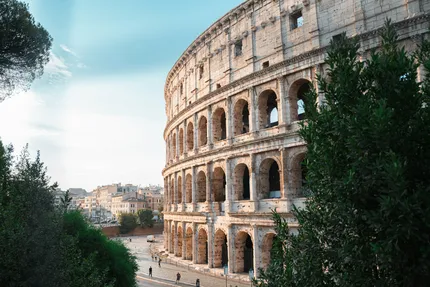
Visit the Colosseum
The Colosseum is Rome's iconic ancient amphitheater, built between 70 and 80 AD. Once capable of holding up to 80,000 spectators, it hosted gladiatorial combat, animal hunts, and public spectacles. Today it stands as one of the world's most recognizable landmarks and is a UNESCO World Heritage Site. Visitors can explore the interior, including the underground hypogeum where gladiators and animals were held before events.
11:00
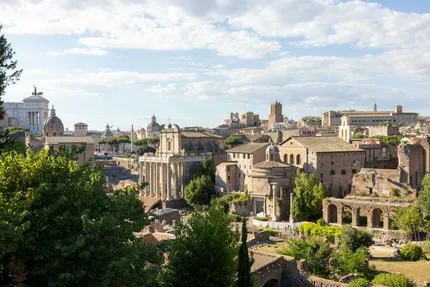
Explore the Roman Forum
The Roman Forum was the political, religious, and commercial heart of ancient Rome. Located between the Palatine and Capitoline hills, this sprawling complex contains ruins of temples, basilicas, and public spaces dating back centuries. Key sights include the Temple of Saturn, the Arch of Septimius Severus, and the Sacred Way. Entry is combined with the Colosseum ticket.
13:00
Lunch at a trattoria near Palatine Hill
14:30
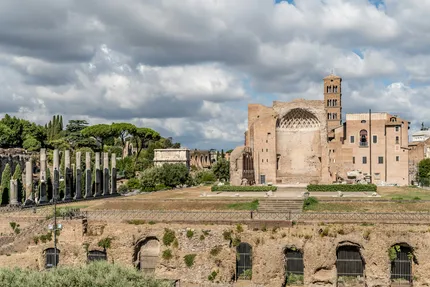
Visit Palatine Hill
Palatine Hill is one of Rome's most ancient sites, rising above the Forum and Circus Maximus. According to legend, it is where Romulus founded Rome in 753 BC. Today visitors explore ruins of imperial palaces, including those of Augustus and Domitian, along with lush gardens offering panoramic views over the city. The site is included in the combined Forum and Colosseum ticket.
16:30
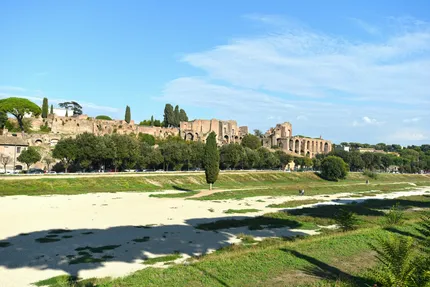
Stroll through Circus Maximus
Circus Maximus is an ancient Roman chariot racing stadium and mass entertainment venue in Rome. Once capable of holding up to 250,000 spectators, it is the largest stadium in ancient Roman history. Today the elongated valley between the Aventine and Palatine hills remains largely open green space. Visitors can walk the grounds, visualize its grand past, and enjoy views of the surrounding hills.
17:30
Visit the Mouth of Truth (Bocca della Verità)
The Bocca della Verità is an ancient marble mask located in the portico of the church of Santa Maria in Cosmedin. Dating to around the 1st century AD, it likely served as a drain cover. According to medieval legend, the mouth bites off the hand of anyone who tells a lie while it is inserted. It gained international fame after featuring in the 1953 film Roman Holiday.
19:00
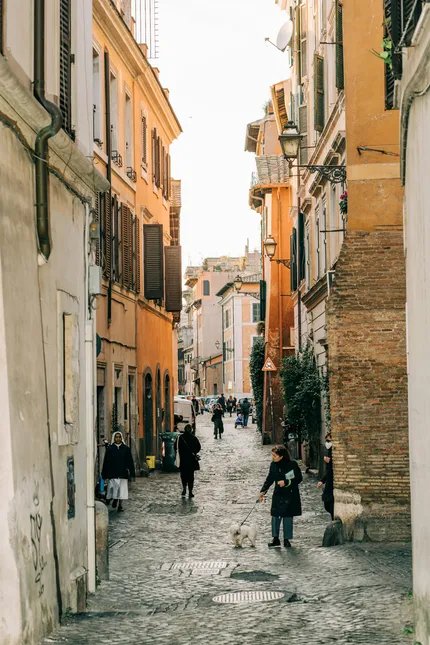
Aperitivo at a bar in Trastevere
Trastevere is one of Rome's most atmospheric neighborhoods, with cobblestone streets and ivy-covered buildings. Aperitivo hour, typically from 6 to 9 pm, is a social ritual where you enjoy a drink alongside complimentary snacks. Bars like Freni e Frizioni and Bar San Calisto are local favorites. It's an affordable, relaxed way to experience Roman evening culture before dinner.
20:30
Dinner at a traditional restaurant in Trastevere
Day #2
Vatican, St. Peter's Basilica, and Piazza Navona
07:30
Early breakfast to prepare for Vatican visit
09:00
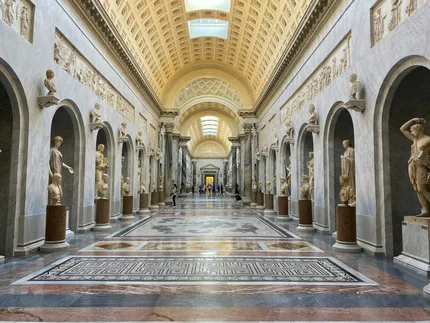
Visit the Vatican Museums and Sistine Chapel
The Vatican Museums house one of the world's greatest art collections, accumulated by the Catholic Church over centuries. Highlights include the Gallery of Maps, the Raphael Rooms, and ancient sculptures like the Laocoön. The tour culminates in the Sistine Chapel, where Michelangelo's breathtaking ceiling frescoes and The Last Judgment dominate the space. Book tickets in advance to avoid long queues at this immensely popular site.
12:00
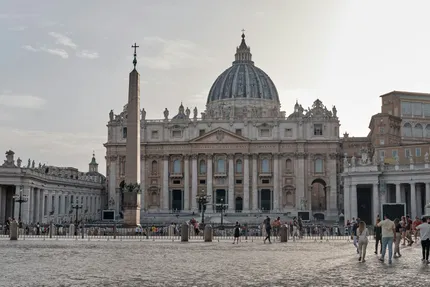
Explore St. Peter's Basilica and climb the dome
St. Peter's Basilica is one of the world's largest churches, located in Vatican City. Its interior houses masterworks including Michelangelo's Pieta and Bernini's monumental baldachin. Visitors can climb the dome, designed largely by Michelangelo, for panoramic views over Rome. The climb involves stairs and a lift option, with the final section narrow and steep. Entry to the basilica is free, while the dome climb requires a fee.
13:30
Lunch near the Vatican
15:00
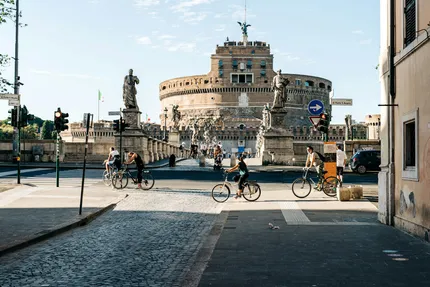
Visit Castel Sant'Angelo
Castel Sant'Angelo is a towering cylindrical fortress on the banks of the Tiber River, originally built as a mausoleum for Emperor Hadrian in 139 AD. It later served as a papal residence and prison. Today it functions as a museum, offering exhibits on its layered history and remarkable views of Rome from its upper terrace. The bridge leading to it is lined with Bernini-designed angel sculptures.
16:30
Walk along Via della Conciliazione
Via della Conciliazione is the wide boulevard connecting Castel Sant'Angelo to St. Peter's Square. Built in the 1930s under Mussolini to commemorate the Lateran Treaty between Italy and the Vatican, it replaced a medieval neighborhood. Walking its length offers a dramatic approach to St. Peter's Basilica, with the dome gradually coming into full view. The street is lined with Renaissance palaces, souvenir shops, and religious goods stores.
17:30
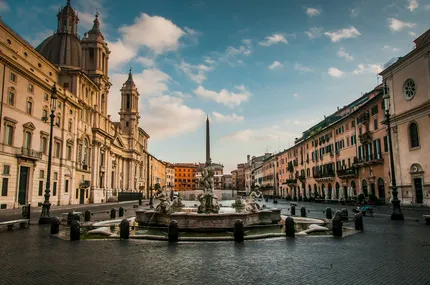
Visit Piazza Navona and admire Bernini's fountains
Piazza Navona is one of Rome's most celebrated baroque squares, built over the ancient Stadium of Domitian. Its centerpiece is Bernini's Fountain of the Four Rivers, completed in 1651, representing the Nile, Ganges, Danube, and Rio de la Plata. Two additional fountains flank the piazza. The square is lined with cafes and street artists, making it a lively gathering place throughout the day.
19:00
Gelato at a nearby gelateria
20:00
Dinner near Piazza Navona
Piazza Navona's surrounding streets are packed with trattorias, osterie, and modern restaurants. The area around Via della Pace and nearby alleys offers everything from classic Roman pasta dishes like cacio e pepe and carbonara to wood-fired pizza. While some restaurants directly on the piazza cater to tourists at premium prices, venturing a block or two away reveals genuinely good food at more reasonable costs.
Day #3
Trevi Fountain, Spanish Steps, and Villa Borghese
08:00
Breakfast at a café near the hotel
09:00
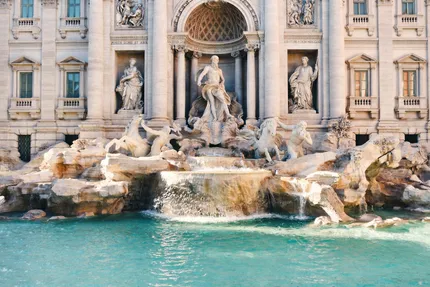
Visit the Trevi Fountain
The Trevi Fountain is Rome's largest and most famous baroque fountain, completed in 1762. Standing 26 meters high and 49 meters wide, it marks the terminal point of one of Rome's ancient aqueducts. Visitors traditionally toss a coin over their left shoulder with their right hand to ensure a return to Rome. The fountain is located in the compact Trevi district and is free to visit.
10:00
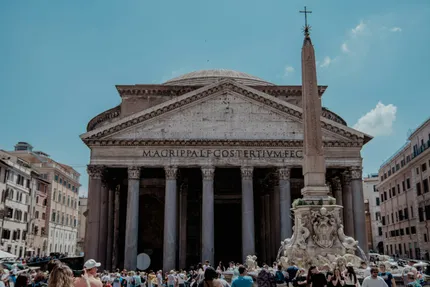
Explore the Pantheon
The Pantheon is one of Rome's best-preserved ancient buildings, dating to around 125 AD. Originally built as a temple to all Roman gods, it now serves as a church. Its defining feature is the massive unreinforced concrete dome with a central oculus open to the sky. The building's precise engineering and architectural harmony have made it one of the most influential structures in Western history.
11:30
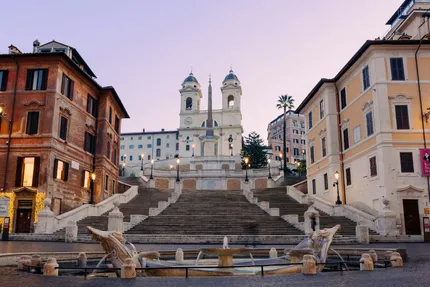
Walk to the Spanish Steps
The Spanish Steps is a monumental staircase of 135 steps connecting the Piazza di Spagna below with the Trinita dei Monti church above. Built in the early 18th century, the steps are one of Rome's most iconic landmarks. The surrounding area is lively with street vendors, cafes, and high-end boutiques. The view from the top offers a pleasant panorama over the piazza and surrounding rooftops.
12:30
Lunch near the Spanish Steps
14:00
Visit Villa Borghese Gardens for a relaxing walk
Villa Borghese is one of Rome's largest public parks, situated on the Pincian Hill near the Spanish Steps. The gardens feature tree-lined paths, fountains, ponds, and open lawns ideal for a leisurely stroll. Within the grounds you will find several museums, including the Galleria Borghese, as well as terraces offering panoramic views over the city. Entry to the gardens is free and open daily.
15:30
Tour the Borghese Gallery (booking required)
The Borghese Gallery houses one of Rome's finest art collections, set within a 17th-century villa in the Villa Borghese gardens. It contains masterpieces by Bernini, Caravaggio, Raphael, and Titian. Visits are strictly timed to two hours, with a maximum of 360 visitors allowed at once, so advance booking is essential. The intimate setting allows for an unhurried, rewarding experience.
17:30
Visit Piazza del Popolo
Piazza del Popolo is a large oval square in northern Rome, once the main entrance to the city for travelers arriving from the north. It features an ancient Egyptian obelisk at its center, the twin Baroque churches of Santa Maria dei Miracoli and Santa Maria in Montesanto, and the church of Santa Maria del Popolo, which contains notable works by Caravaggio and Raphael.
19:00
Sunset stroll on Pincian Hill terrace
The Pincian Hill terrace (Terrazza del Pincio) in the Villa Borghese gardens offers one of Rome's most celebrated panoramic views. At sunset, the terrace draws locals and visitors alike to watch the sky turn golden over the city's rooftops and domes, most notably St. Peter's Basilica. The wide promenade is relaxed and crowd-friendly, making it an ideal spot to end an afternoon in Rome.