
City break inPorto
Porto is Portugal's second-largest city, sitting along the banks of the Douro River in the country's northwest. Known for its dramatic hillside landscape, ornate azulejo tile facades, and medieval Ribeira district, Porto offers a rich layering of history and contemporary culture. The city's architecture spans Romanesque churches, Baroque towers, and striking modern structures like Rem Koolhaas's Casa da Música. Porto is also the birthplace of port wine, and its famous wine cellars in the Vila Nova de Gaia district just across the river are a central part of any visit.
The city has a genuine, lived-in feel that larger European capitals often lack. Its food scene is unpretentious but excellent, with dishes like francesinha, fresh seafood, and bacalhau served in family-run tascas throughout the city. The Livraria Lello, one of the world's most celebrated bookshops, draws literary visitors, while the Serralves Foundation provides a serious contemporary art and architecture destination. Porto rewards curious travelers who enjoy exploring on foot.
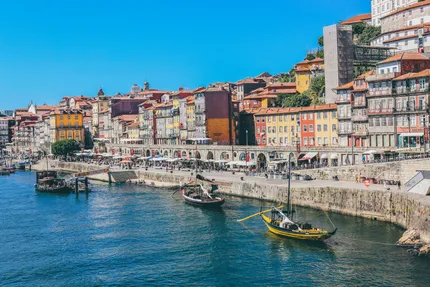
Ribeira District
The Ribeira District is Porto's historic riverside quarter, a UNESCO World Heritage Site lining the Douro River. Its narrow, winding streets are packed with colorful, centuries-old buildings, traditional restaurants, and lively bars. The waterfront promenade offers views of the iconic Dom Luis I Bridge and the wine lodges of Vila Nova de Gaia across the river. It remains one of Porto's most atmospheric and photogenic neighborhoods.
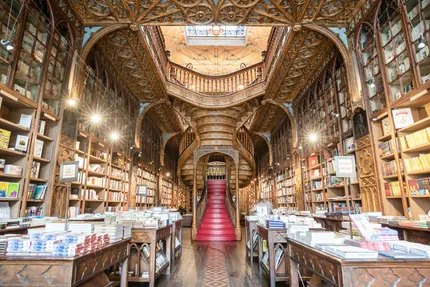
Livraria Lello
Livraria Lello is Porto's landmark 1906 bookstore, famed for its neo‑Gothic façade, sweeping red staircase, and stained‑glass skylight. Expect queues and timed entry; admission is typically redeemable against purchases. Located near Clérigos Tower on Rua das Carmelitas, it hosts literary events and a curated selection of Portuguese and international titles. Arrive early to avoid crowds.
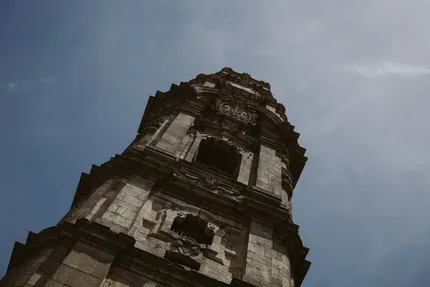
Clérigos Tower
The Clérigos Tower is an iconic baroque landmark in Porto, designed by Italian architect Nicolau Nasoni and completed in 1763. Standing 76 meters tall, it was once the tallest building in Portugal. Visitors can climb 225 steps to reach the top, where panoramic views of Porto's rooftops, the Douro River, and surrounding hills reward the effort. The adjacent Clérigos Church is equally worth exploring.
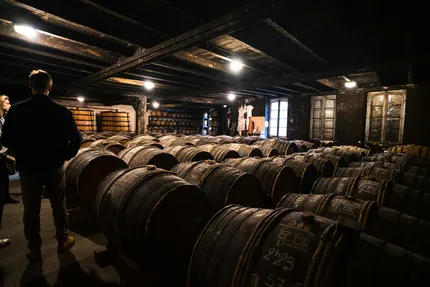
Port Wine Cellars
Porto’s Port Wine Cellars sit across the Douro in Vila Nova de Gaia, where historic lodges like Taylor’s, Graham’s, Sandeman and Cálem age and blend port. Guided tours explain production, barrel aging, and Douro Valley origins, ending with tastings of ruby, tawny, and vintage styles. Advance booking is recommended; some lodges offer river views and small museums.
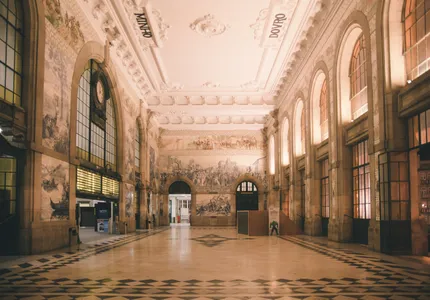
São Bento Railway Station
São Bento Railway Station is one of Porto's most iconic landmarks, located in the city centre. Built in the early 20th century, it is renowned for its grand entrance hall decorated with around 20,000 blue and white azulejo tiles, painted by Jorge Colaço. The tiles depict scenes from Portuguese history and traditional rural life, making the station itself a major cultural and artistic attraction worth visiting.
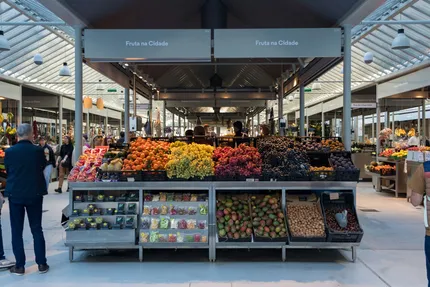
Bolhão Market
Bolhão Market is a historic iron-framed market hall in central Porto, originally built in the early 20th century. It sells fresh produce, fish, meat, cheese, flowers, and local delicacies. After a lengthy renovation completed in 2022, the building has been fully restored while retaining its traditional character. It remains a lively gathering point where locals shop and visitors get an authentic taste of Porto's food culture.
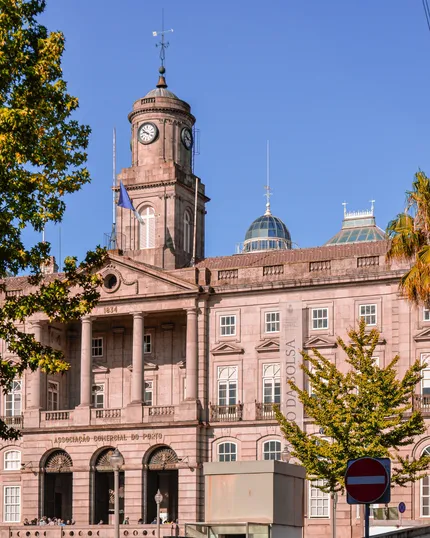
Palácio da Bolsa
The Palácio da Bolsa, or Stock Exchange Palace, is a 19th-century neoclassical building in Porto's historic Ribeira district, built by the city's Commercial Association. Its highlight is the Arab Room, an ornate Moorish-inspired hall decorated with intricate stucco and gold detailing. Guided tours take visitors through grand ceremonial rooms, offering insight into Porto's mercantile history and architectural heritage. It is a UNESCO World Heritage Site.
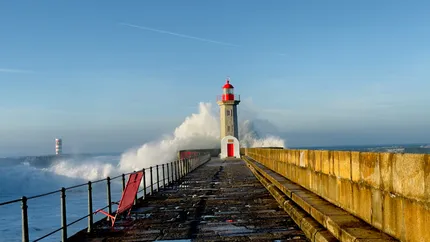
Foz do Douro
Foz do Douro is a charming coastal neighborhood where the Douro River meets the Atlantic Ocean. It offers a scenic promenade, rocky beaches, and a relaxed atmosphere distinct from Porto's historic center. The area features the 16th-century Fort of São João da Foz, pleasant cafes, and restaurants. It is easily reached by tram or bus and is popular with locals and visitors seeking sea views and fresh seafood.
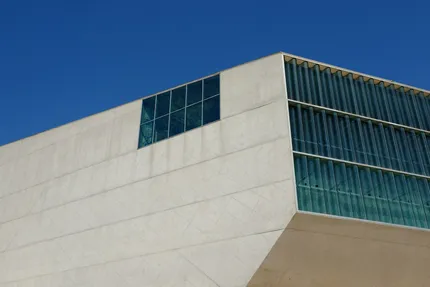
Casa da Música
Casa da Música is Porto’s landmark contemporary concert hall, designed by Rem Koolhaas (OMA) and opened in 2005 on Avenida da Boavista. It presents a year-round program spanning classical, contemporary, jazz and world music, with excellent acoustics. Guided tours explore its distinctive architecture and performance spaces. On-site café/restaurant and a metro stop nearby enhance access.
Who should visit Porto
Porto is particularly well suited for travelers who appreciate architecture, urban history, and food culture. Those with an interest in wine will find Porto and the adjacent Gaia cellars an ideal base, with port wine tastings and Douro Valley wine tours easily accessible from the city. The Douro River cruises, ranging from short city loops to multi-day trips into the valley, are a strong draw for travelers who enjoy scenic landscapes combined with cultural stops. Food-focused travelers will be at home here, as Porto has a strong local culinary identity with affordable restaurants serving regional Portuguese cuisine.
The city also appeals strongly to architecture enthusiasts, given its mix of Romanesque, Gothic, Baroque, and contemporary buildings, as well as its UNESCO-listed historic center. Art lovers will appreciate the Serralves Museum and its surrounding park, one of the finest contemporary art institutions in Iberia. Porto works well for solo travelers and couples who are comfortable navigating a hilly city on foot, as much of what makes Porto worthwhile is best discovered by walking its steep, winding streets. Budget-conscious travelers will also find Porto considerably more affordable than Lisbon or most Western European capitals.

Best time to visit Porto
The best time to visit Porto is from May to October, with late spring and early autumn being the sweet spots. June through August is warm and sunny, though July and August bring the most tourists and higher prices. May and September offer pleasant temperatures, fewer crowds, and a more relaxed atmosphere. October is still mild and sees the wine harvest in the Douro Valley nearby. Winter months are cool and rainy, though the city remains atmospheric and accommodation is significantly cheaper.
Three top reasons for a city trip to Porto
- Stroll Porto's UNESCO-listed Ribeira, cross Dom Luís I Bridge, admire São Bento's azulejos, climb Clérigos Tower, browse Livraria Lello, savor panoramas from Miradouro da Vitória across Douro rooftops and facades.
- Immerse in Port wine heritage at Vila Nova de Gaia lodges (Graham's, Sandeman, Taylor's); tour atmospheric cellars, learn styles, sample flights, visit WOW district, watch sunset from Jardim do Morro.
- Feast on Porto flavors: francesinha, tripas à moda do Porto, and fresh seafood in Matosinhos; browse Mercado do Bolhão; ride Tram 1 to Foz do Douro promenades, beaches, and sunsets.
Porto is a city that can be easily navigated on foot, especially if you enjoy picturesque walks through its historical districts and along the riverfront. The public transportation system is also quite efficient, with a comprehensive metro network, buses, and trams covering most areas. The Andante Card is a convenient payment option for public transit. Cycling is becoming more popular, with bike rental options and dedicated cycling lanes appearing around the city. However, due to the city's hilly terrain, cycling might not be the most accessible option for everyone. Taxis and ride-sharing services like Uber are readily available and reasonably priced for more distant destinations within and around Porto. While having a car can offer more flexibility for exploring the surrounding regions, it is not necessary for exploring the key attractions within the city itself.
This content was created with AI assistance and may contain inaccuracies.