
City break inPlovdiv
Plovdiv, Bulgaria’s second-largest city, pairs deep history with an easygoing, creative vibe. Spanning the Maritsa River and built on a cluster of hills, it is among Europe’s oldest continuously inhabited places. The cobbled Old Town threads past painted National Revival mansions, the church of Sts. Constantine and Helena, and the Roman Theatre of Philippopolis, still hosting performances with sweeping city views. On the lively pedestrian axis below, fragments of the Ancient Stadium surface near the 15th-century Dzhumaya Mosque. Kapana, the “Crafts” district, concentrates galleries, design shops, street art, and a dense café-and-bar scene. Green spaces are central: Tsar Simeon Garden draws locals to its evening “singing fountains” show in summer.
The Regional Archaeological Museum displays Thracian gold and mosaics, while the Ethnographic Museum occupies an ornate 19th-century merchant house. For panoramas, climb Nebet Tepe or Bunardzhik Hill, crowned by the Alyosha monument; Sahat Tepe’s clock tower marks another ascent. Dining leans on grilled meats, Shopska salad, banitsa, and Rhodope dishes, paired with wines from the Thracian Lowlands. Plovdiv’s compact center makes it easy to explore, and day trips reach Bachkovo Monastery, Asen’s Fortress, and nearby vineyards.
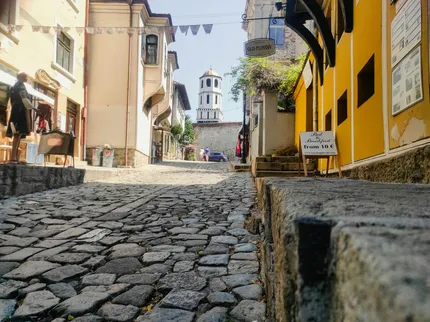
Old Town (Three Hills)
Plovdiv's Old Town crowns the Three Hills with cobbled lanes, colorful 19th-century Revival mansions, Orthodox churches, and Roman remnants. Explore museums inside merchant houses, admire carved wooden ceilings and frescoes, and enjoy panoramic views from Nebet Tepe. The preserved urban fabric reveals layers of Thracian, Roman, Byzantine, and Ottoman heritage within a compact, atmospheric district.
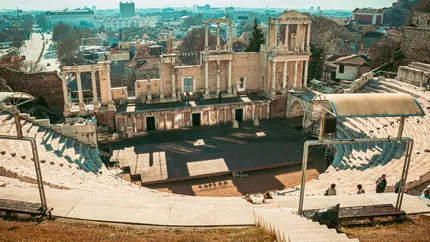
Ancient Theatre of Philippopolis
One of the world's best-preserved Roman theaters, the 2nd-century Ancient Theatre seats thousands above the Old Town, with the Rhodope Mountains on the horizon. Walk the marble tiers, view inscriptions and stage buildings, and, if possible, attend a concert or festival performance that breathes life into this spectacular archaeological monument.
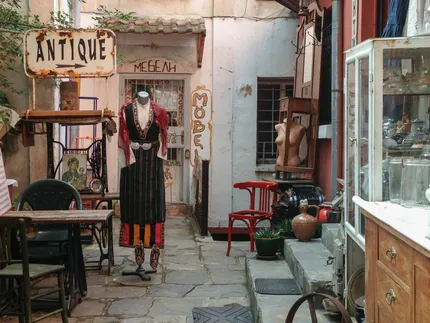
Kapana Creative District
Kapana, the pedestrian Trap district, is Plovdiv's creative heart. Its restored lanes host galleries, design shops, street art, microbreweries, and cafes. Come for independent festivals, craft markets, and a vibrant evening scene. The area's compact grid invites aimless wandering between courtyards and murals, offering a lively contrast to the city's ancient layers.
Nebet Tepe
Nebet Tepe, one of Plovdiv's Three Hills, preserves fortifications and layers from Thracian through medieval times. Its rocky summit delivers sweeping views over the Maritsa River and city skyline. Explore walls, gates, and cistern remains, then linger for sunset as lights reveal the Old Town's roofs and the distant Rhodope foothills.
Roman Stadium of Philippopolis
The Roman Stadium of Philippopolis runs beneath the pedestrian main street. At Dzhumaya Square, see exposed marble seating, reliefs, and an immersive 3D presentation explaining chariot races and city life. Glimpse the scale of the original 240-meter arena through glass sections set into the pavement and a small museum onsite.
Regional Ethnographic Museum
Housed in the ornate Kuyumdzhioglu House, the Regional Ethnographic Museum showcases Bulgarian Revival architecture and daily life. Exhibits cover crafts, costumes, musical instruments, and domestic interiors from Plovdiv and the region. The picturesque courtyard, wooden balconies, and carved facades provide a serene setting to understand traditions that shaped the city's cultural identity.
Tsar Simeon Garden and Singing Fountains
Tsar Simeon Garden offers a landscaped respite with promenades, statues, and the evening Singing Fountains show. In summer, synchronized lights, music, and water jets draw families and visitors. Pair a stroll with nearby cafes on the main pedestrian street, appreciating the blend of early 20th-century architecture and relaxed local life.
Bachkovo Monastery (day trip)
Second only to Rila in significance, Bachkovo Monastery lies about 30 minutes south in the Rhodopes, making an easy half-day trip. Founded in 1083, it features vivid frescoes, a revered Virgin Mary icon, and peaceful courtyards. Combine with Asen's Fortress or local trout restaurants for a scenic cultural escape from the city.
Plovdiv Regional Archaeological Museum
Plovdiv Regional Archaeological Museum traces the city's ancient roots through Thracian gold, Roman mosaics, sculpture, coins, and inscriptions. Highlights include the Panagyurishte Treasure replicas and artifacts from Philippopolis. Well-curated galleries provide context for sites around town, making it a rewarding stop before or after visiting the Ancient Theatre, Stadium, and basilicas.
Who should visit Plovdiv
Plovdiv suits travelers who enjoy compact, walkable cities with tangible layers of history and a sociable street scene. History and archaeology fans can easily fill two days between the Old Town’s Revival houses, the Roman Theatre and Stadium, the Archaeological Museum, and Ottoman-era Dzhumaya Mosque, with explanatory signage and frequent guided tours. Architecture lovers will appreciate the timbered mansions and courtyards of the Old Town and the 19th–20th century facades along the main pedestrian street. Creative travelers, photographers, and design hunters gravitate to Kapana for galleries, small studios, murals, and craft beer bars. Food- and wine-minded visitors can sample Thracian Lowlands varietals in intimate wine bars and pair them with grilled kebapche, kavarma, Shopska salad, lyutenitsa, and Rhodope specialties such as patatnik.
Active sightseers who like short urban hikes will enjoy the stair climbs to Nebet Tepe, Bunardzhik, and Sahat Tepe for sunrise or sunset views. Couples and families with school-age children find plenty of low-stress activities: the singing fountains, spacious parks, pedestrianized streets, and occasional performances in the Roman Theatre. Budget travelers benefit from good value in lodging and dining.
For a short break, Plovdiv also works as a hub for half-day trips to Bachkovo Monastery, Asen’s Fortress, and nearby wineries, without long transfers. Note that the Old Town’s cobbles and slopes can be challenging for strollers or limited mobility.

Best time to visit Plovdiv
Late spring and early autumn are the sweet spots for Plovdiv. From April to June and September to early October, daytime highs hover around 18–27°C, skies are generally clear, and crowds are manageable. Cultural programming peaks then: Opera Open uses the Roman Theatre from June, and Kapana’s street festivals and markets often bookend summer. Evenings are pleasant for the singing fountains and al fresco dining. July and August can be hot (often above 32°C) and dry, better suited if you plan lazy cafe time and shaded strolls. Winter is quieter and chilly, with shorter days, but museums and galleries remain open.
Three top reasons for a city trip to Plovdiv
- Explore Plovdiv’s cobblestoned Old Town, ornate National Revival mansions, and Roman Theatre overlooking the city. Discover the underground Roman Stadium, mosaicked Bishop’s Basilica, and millennia of Thracian, Roman, Ottoman layers.
- Experience Kapana’s creative buzz—artisan workshops, indie galleries, street art, and lively cafes. As European Capital of Culture 2019, Plovdiv hosts festivals, concerts, and performances on hills, Roman Theatre, and riverbanks.
- Use Plovdiv as a base for Rhodope escapades: Bachkovo Monastery, Asen’s Fortress, and eco-trails. Savor Bulgarian cuisine and Thracian Valley wines in taverns, with sunset panoramas from Nebet Tepe’s walls.
Plovdiv’s compact center, Kapana district and the Old Town are best explored on foot; expect cobblestones and short, steep climbs up the tepes (hills), so comfortable shoes help. Cycling is increasingly viable, with a growing network of lanes—especially along the Maritsa river—and several rental shops; traffic can be assertive, so less-experienced riders may prefer riverside routes and parks. Public transport relies on an extensive bus network that covers most neighborhoods and suburbs; services are frequent on main corridors from early morning to late evening, with tickets sold on board or via local apps. There is no metro or tram. Taxis are plentiful and inexpensive by European standards, and reputable dispatch companies and ride‑hailing apps operate citywide; always check that the meter is on. You won’t need a car for sightseeing in the core, and parking in blue/green paid zones fills quickly. A car is useful for day trips to the Rhodope foothills, Bachkovo Monastery, Asen’s Fortress, or wineries around Brestovitsa.
This content was created with AI assistance and may contain inaccuracies.