
City break inMexico City
Mexico City, one of the largest metropolises in the world, sits at an altitude of 2,240 meters on a high plateau surrounded by mountains and volcanoes. The city blends pre-Columbian history with Spanish colonial architecture and a vibrant modern urban culture. The historic center, a UNESCO World Heritage Site, is anchored by the Zócalo, one of the largest public squares in the world, flanked by the Metropolitan Cathedral and the National Palace with its famous Diego Rivera murals.
Nearby, the ruins of Templo Mayor offer a direct connection to the Aztec capital of Tenochtitlan that once stood on this very ground. Beyond history, Mexico City is known for its exceptional food scene, world-class museums including the Museo Nacional de Antropología, and lively neighborhoods like Roma, Condesa, and Coyoacán, each with its own distinct character. The city's energy is relentless, its cultural output remarkable, and its scale genuinely awe-inspiring for first-time visitors.
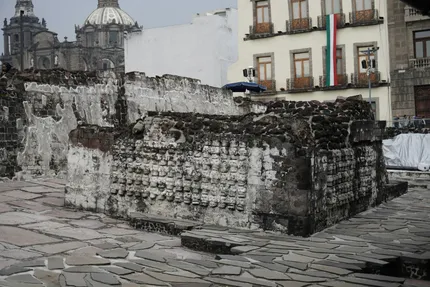
Templo Mayor
Templo Mayor was the main temple of the Aztec capital Tenochtitlan, now excavated in the heart of Mexico City. Discovered in 1978, the ruins reveal multiple layers of construction dating back to the 14th century. The adjacent museum houses thousands of artifacts, including stone carvings, ceremonial objects, and the famous Coyolxauhqui disc, offering deep insight into Aztec religion and daily life.
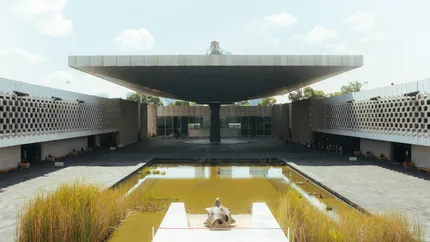
National Museum of Anthropology
The National Museum of Anthropology in Chapultepec Park is one of the world's greatest museums, housing an extensive collection of pre-Columbian artifacts. Its centerpiece is the iconic Aztec Sun Stone. Highlights include halls dedicated to the Maya, Olmec, Teotihuacan, and other Mesoamerican civilizations. The building itself, designed by Pedro Ramirez Vazquez and completed in 1964, is an architectural landmark worth visiting on its own merit.
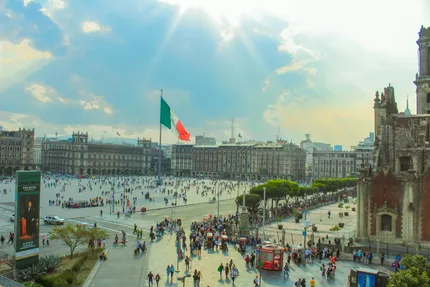
Historic Center (Centro Histórico)
Mexico City's historic center is a UNESCO World Heritage Site and one of the largest in the Americas. It contains the Zócalo, one of the world's biggest public squares, surrounded by landmarks including the Metropolitan Cathedral and the National Palace, which houses Diego Rivera's famous murals. The area also contains the ruins of the Aztec Templo Mayor, illustrating the city's layered colonial and pre-Hispanic history.
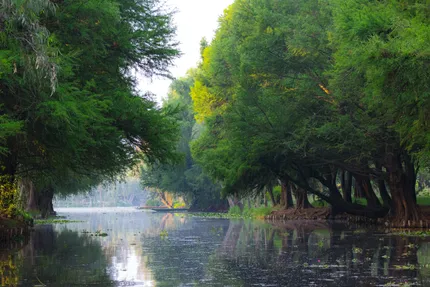
Xochimilco Floating Gardens
Xochimilco is a UNESCO World Heritage site on the southern edge of Mexico City, famous for its network of ancient canals and artificial islands called chinampas. Visitors ride colorful flat-bottomed boats called trajineras through the waterways, accompanied by mariachi musicians and food vendors on passing boats. The site preserves the agricultural system developed by the Aztecs centuries ago and remains a popular weekend destination for locals and tourists alike.
Frida Kahlo Museum (La Casa Azul)
The Frida Kahlo Museum, known as La Casa Azul (The Blue House), is located in the Coyoacan neighborhood and was the birthplace and home of iconic Mexican artist Frida Kahlo. The museum displays her personal belongings, artwork, and correspondence, offering an intimate look at her life and legacy. The vibrant cobalt blue building and its lush courtyard garden are themselves memorable attractions worth visiting.
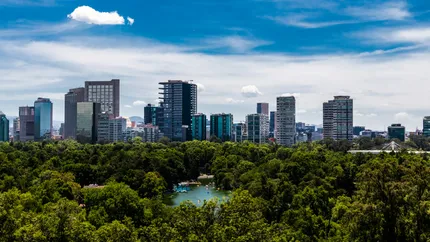
Chapultepec Park
Chapultepec Park is one of the largest urban parks in the world, covering over 686 hectares in the heart of Mexico City. It houses major attractions including the National Museum of Anthropology, the Modern Art Museum, Chapultepec Castle, and a zoo. The park is a popular retreat for locals and tourists alike, offering lakes, walking paths, and green spaces.
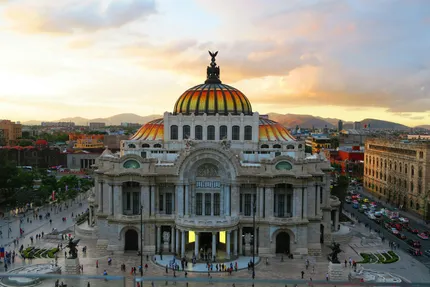
Palacio de Bellas Artes
This stunning art nouveau and art deco building on the edge of the Centro Histórico serves as Mexico's premier cultural venue. Inside, large murals by Rivera, Orozco, and Siqueiros cover the walls. It hosts opera, dance, and classical concerts regularly. The white marble exterior and the stained-glass stage curtain inside are both extraordinary visual achievements.
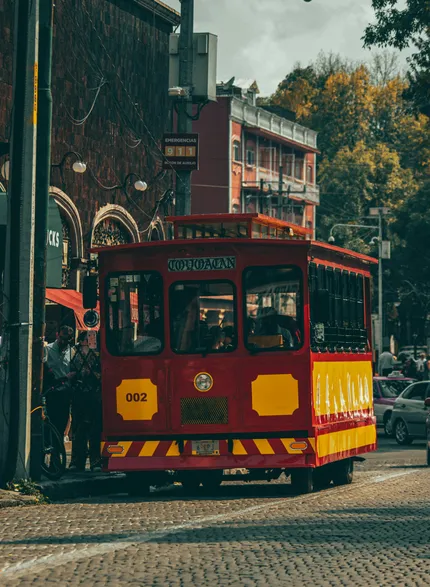
Coyoacán Neighborhood
A bohemian district with cobblestone streets, colorful colonial architecture, and a relaxed atmosphere distinct from the busier city center. The central plaza and its surrounding cafes and markets are ideal for an afternoon stroll. Beyond the Frida Kahlo Museum, visitors can also find Leon Trotsky's former home and excellent local street food at the covered Coyoacán market.
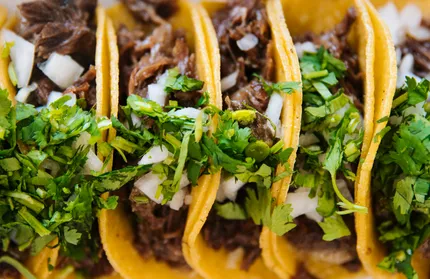
Street Food Scene
Mexico City is one of the world's great street food destinations. Tacos al pastor, tlayudas, tamales, elotes, and quesadillas are found at every turn. Neighborhoods like Tepito, Roma, and the Centro offer standout vendors. Markets such as Mercado de San Juan and La Merced provide a deeper dive into local ingredients and prepared foods. Eating here is essential.
Who should visit Mexico City
Mexico City is an excellent destination for culturally curious travelers who want depth and variety within a single city. History enthusiasts will find an almost overwhelming amount to explore, from Aztec ruins and colonial-era churches to the muralist movement of the 20th century. The Museo Nacional de Antropología alone can occupy an entire day and stands among the finest anthropological museums in the world. Food lovers are equally well served. Mexico City has a thriving restaurant scene ranging from street tacos and market stalls to internationally recognized fine dining establishments, many of which focus on regional Mexican cuisine done at the highest level.
The city is also a strong fit for art lovers, given the concentration of major museums, the Frida Kahlo Museum in Coyoacán, and a growing contemporary gallery scene in neighborhoods like Juárez and Roma Norte. Architecture enthusiasts will appreciate the layered built environment, where pre-Hispanic, colonial, Art Nouveau, and modernist structures coexist within blocks of each other. Budget travelers can manage well here given the favorable exchange rate and affordable local food options. The city is less suited to travelers seeking beach relaxation or outdoor wilderness experiences, as those require significant travel beyond the metropolitan area.

Best time to visit Mexico City
The best time to visit Mexico City is from November to April, which covers the dry season. March and April can be warm and slightly hazy, but rainfall is minimal. October and November offer pleasant temperatures after the rainy season ends and the city feels fresh and clear. December through February brings cooler evenings and is considered peak tourist season, particularly around the Day of the Dead celebrations in late October and early November, which are a spectacular cultural experience. Avoid May through September if possible, as afternoon thunderstorms are frequent.
Three top reasons for a city trip to Mexico City
- Mexico City's historic center contains the Zócalo, one of the world's largest plazas, flanked by the Metropolitan Cathedral and ancient Aztec ruins of Templo Mayor, all walkable within minutes.
- The city's food scene is extraordinary, from street tacos al pastor in Mercado de la Merced to high-end restaurants like Pujol, consistently ranked among the world's best dining destinations.
- World-class museums including the Museo Nacional de Antropología house the famous Aztec Sun Stone and vast collections documenting Mesoamerican civilizations, making it unmatched for pre-Hispanic cultural depth.
Mexico City has an extensive and affordable public transportation network. The Metro system covers most of the city with 12 lines and over 195 stations, making it the fastest way to navigate during rush hour, though trains can get very crowded. Metrobús lines run along major corridors and complement the Metro well. Peseros (minibuses) and regular buses fill in gaps but can be harder to navigate for visitors. Ride-hailing apps like Uber and DiDi are widely used and relatively cheap, offering a convenient alternative. Taxis are available but always use authorized sitio taxis or apps to stay safe. Cycling infrastructure has improved significantly, with the Ecobici bike-share system operating in central neighborhoods. Walking is pleasant in areas like Roma, Condesa, and Polanco, but the city's sheer size means you will rely heavily on a combination of transport modes.
This content was created with AI assistance and may contain inaccuracies.