
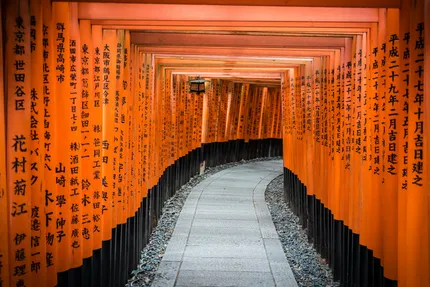
Fushimi Inari Taisha
One of Japan's most iconic sites, this Shinto shrine is famous for its thousands of vermillion torii gates winding up the forested Mount Inari. The full hike to the summit takes about two hours and offers stunning views over Kyoto. The lower trails are crowded during the day, so an early morning visit is strongly recommended.
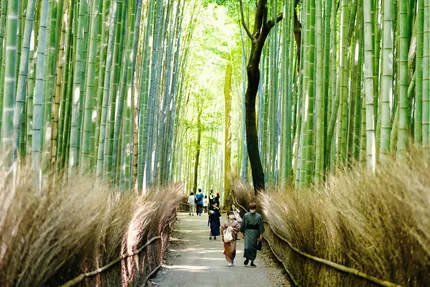
Arashiyama Bamboo Grove
A dense forest of towering bamboo stalks on the western outskirts of Kyoto, this grove creates an otherworldly atmosphere as light filters through the swaying canes. The path is short but memorable. The surrounding Arashiyama district also offers the Tenryu-ji temple garden, the Togetsukyo bridge, and pleasant riverside walks worth exploring on the same visit.
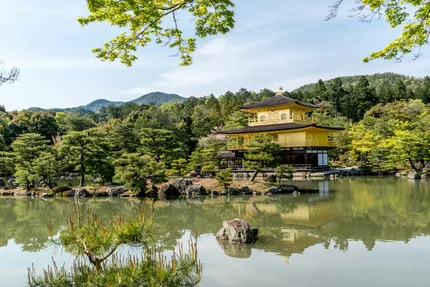
Kinkaku-ji (Golden Pavilion)
This Zen Buddhist temple is covered in gold leaf and reflects beautifully on the surrounding pond. Originally built as a retirement villa for shogun Ashikaga Yoshimitsu in 1397, it was converted into a temple after his death. The garden and pond landscape are carefully maintained and represent classic Japanese garden design. It is Kyoto's most visited attraction.

Gion District
Kyoto's most famous geisha district retains much of its historic character with preserved wooden machiya townhouses lining narrow lanes. Hanamikoji Street is the best spot to explore in the evening, with a chance of spotting geiko or maiko heading to appointments. Several tea houses, restaurants, and traditional craft shops are found throughout the area.
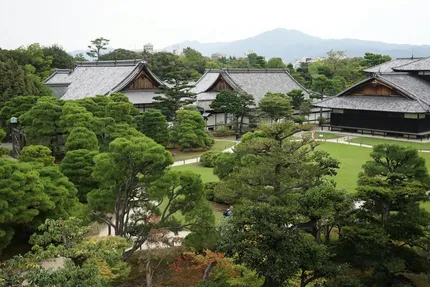
Nijo Castle
Built in 1603 as the Kyoto residence of Tokugawa Ieyasu, this UNESCO World Heritage Site features impressive fortifications, elegant painted interiors, and famous nightingale floors designed to squeak as an alert against intruders. The Ninomaru Palace is the main highlight, showcasing the power and aesthetic sensibility of the Edo-period Tokugawa shogunate.
Philosopher's Path
A canal-side stone walkway connecting Ginkaku-ji temple to Nanzen-ji, named after philosopher Nishida Kitaro who reportedly walked it daily. The path is lined with cherry trees, making it one of Kyoto's best spots during spring blossom season. Small cafes, galleries, and temples dot the route, making for a relaxed and scenic two-kilometer stroll.
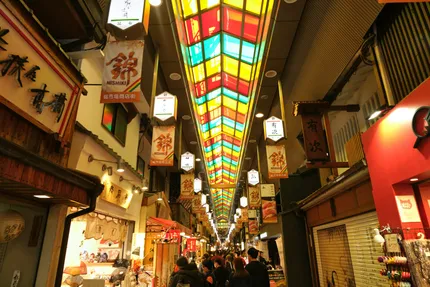
Nishiki Market
Known as Kyoto's kitchen, this narrow five-block covered market in central Kyoto is packed with over 100 vendors selling fresh produce, pickles, tofu, street food, and local specialties. It offers a genuine look at ingredients central to Kyoto cuisine. A good spot to try yuba, matcha sweets, grilled skewers, and seasonal vegetables.
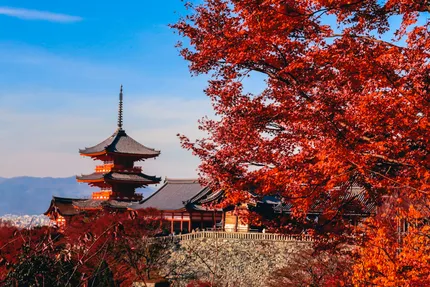
Kiyomizu-dera Temple
This hillside Buddhist temple east of central Kyoto offers a large wooden stage jutting out from the main hall, providing panoramic views over the city. Founded in 778, the current structure dates from 1633 and is built without a single nail. The approach through the Higashiyama district lined with souvenir shops is part of the experience.
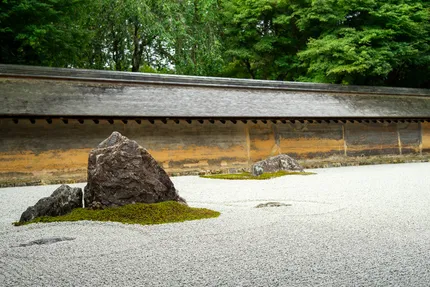
Ryoan-ji Temple
Home to Japan's most celebrated dry rock garden, Ryoan-ji invites quiet contemplation. The garden consists of 15 stones arranged on white raked gravel, and from no single viewing point are all 15 stones visible simultaneously. The meaning of the arrangement remains deliberately open to interpretation. The surrounding pond garden and wooded grounds add to the tranquil atmosphere.
This content was created with AI assistance and may contain inaccuracies.