
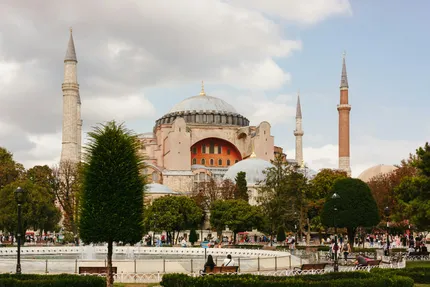
Hagia Sophia
The Hagia Sophia is one of Istanbul's most iconic landmarks, originally built as a cathedral in 537 AD under Emperor Justinian I. It later became a mosque and then a museum before being reconverted to a mosque in 2020. The building is celebrated for its massive central dome, stunning Byzantine mosaics, and architectural innovation that influenced both Eastern and Western design for centuries.
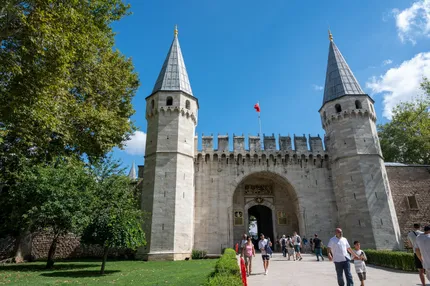
Topkapi Palace
Topkapi Palace served as the administrative and residential center of the Ottoman Empire for nearly 400 years. Located at the tip of the historic peninsula overlooking the Bosphorus, it houses an extensive collection of imperial treasures, weapons, manuscripts, and religious relics. Visitors can explore ornate courtyards, the famous Harem quarters, and the Imperial Treasury, which contains jewels and artifacts from the height of Ottoman power.
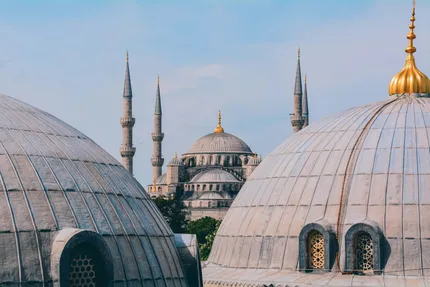
Blue Mosque
The Blue Mosque, or Sultan Ahmed Mosque, was built between 1609 and 1616 and remains an active place of worship. It is famous for its six minarets and interior walls lined with more than 20,000 hand-painted blue Iznik tiles. The cascading domes and semi-domes create a striking silhouette. Visitors are welcome outside prayer times, but modest dress is required for entry.
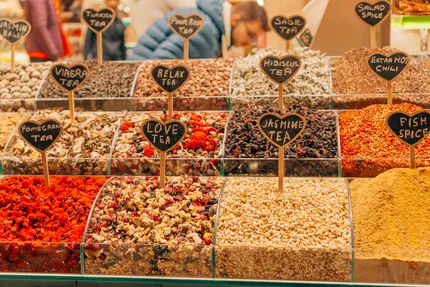
Grand Bazaar
The Grand Bazaar is one of the world's oldest and largest covered markets, dating to the 15th century. Spanning 61 streets and housing over 4,000 shops, it sells carpets, jewelry, ceramics, spices, and leather goods. Navigating its labyrinthine corridors is an experience in itself. Bargaining is expected and customary. The bazaar remains a living commercial hub, not just a tourist attraction, drawing locals and visitors alike.
Basilica Cistern
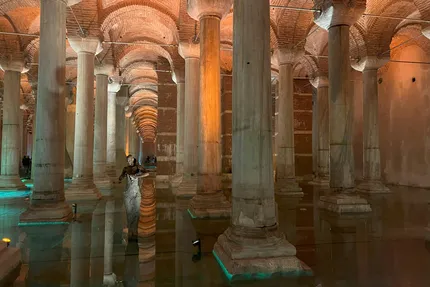
The Basilica Cistern is a vast underground water reservoir built by Emperor Justinian I in 532 AD. Located beneath the streets of Sultanahmet, it once supplied water to the Great Palace of Constantinople. The cistern features 336 marble columns arranged in 12 rows, atmospheric lighting, and two Medusa head column bases. It remains one of Istanbul's most striking and well-preserved Byzantine structures.
Galata Tower
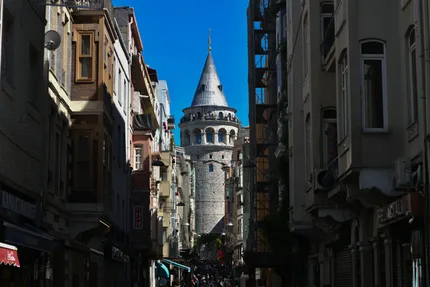
The Galata Tower is a medieval stone tower built by the Genoese in 1348, standing 67 meters tall in the Beyoglu district. It offers panoramic 360-degree views of Istanbul, the Bosphorus, and the Golden Horn from its observation deck. One of the city's most recognizable landmarks, it has served various purposes over the centuries, including as a fire watchtower and observatory.
Spice Bazaar
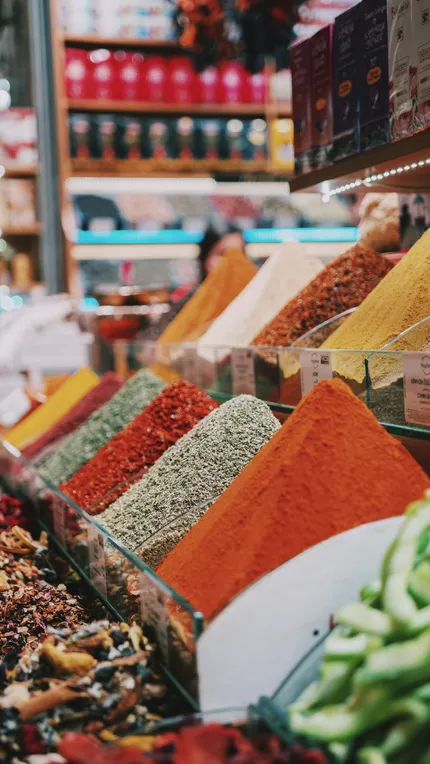
The Spice Bazaar, also known as the Egyptian Bazaar, is one of Istanbul's oldest and largest covered markets, dating to 1664. Located in the Eminonu district, it was historically a hub for spice trading. Today vendors sell spices, dried fruits, nuts, Turkish delight, teas, and souvenirs. The vibrant market remains a sensory experience and a practical stop for food shopping.
Istiklal Avenue
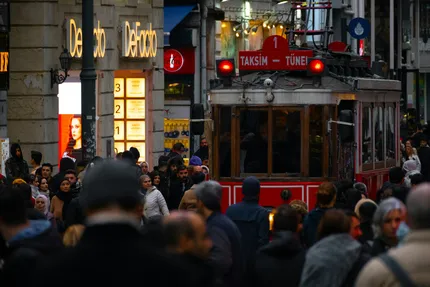
Istiklal Avenue is a bustling pedestrian street in the Beyoglu district, stretching roughly 1.4 kilometers. It is lined with shops, cafes, restaurants, art galleries, and historic buildings reflecting 19th-century European architecture. A vintage red tram runs along its length. The street connects Taksim Square to the Galata neighborhood and remains one of Istanbul's most visited and lively public spaces, attracting both locals and tourists throughout the day and night.
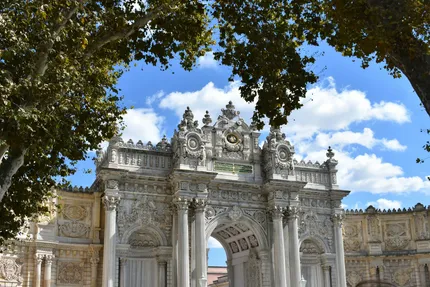
Dolmabahce Palace
Dolmabahce Palace sits on the European shore of the Bosphorus and served as the main administrative center of the Ottoman Empire from 1856 until 1922. The palace blends European architectural styles with Ottoman tradition, featuring 285 rooms and 46 halls. Its grand ceremonial hall holds one of the world's largest chandeliers. Mustafa Kemal Ataturk, founder of modern Turkey, died here in 1938.
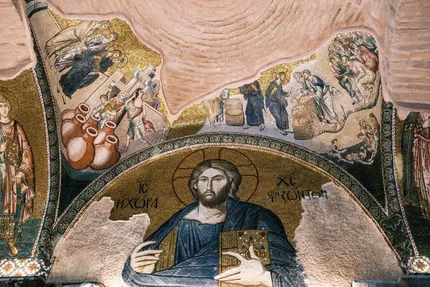
Chora Church
The Chora Church, known as Kariye Camii, is one of Istanbul's finest examples of Byzantine architecture. Built in the 4th century and expanded in the 11th and 14th centuries, it houses stunning mosaics and frescoes depicting biblical scenes. The intricate artwork, created during the Byzantine renaissance, is remarkably well-preserved. Located in the Edirnekapı neighborhood, the site has served as a church, mosque, and museum throughout its history.
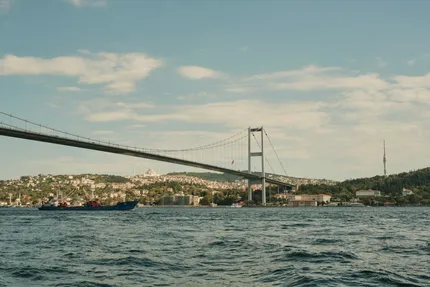
Bosphorus Cruise
A Bosphorus cruise takes you along the strait dividing Europe and Asia, offering views of Istanbul's most iconic landmarks. From the water, you'll see Ottoman palaces, ancient fortresses, waterfront mansions known as yalis, and the city's famous mosques and bridges. Both short and full-day tours are available, departing from Eminonu or Besiktas. It remains one of the best ways to appreciate Istanbul's unique geography.
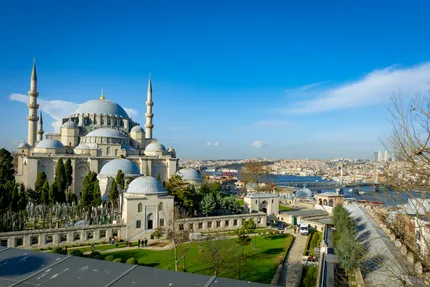
Suleymaniye Mosque
The Suleymaniye Mosque is one of Istanbul's grandest Ottoman mosques, built between 1550 and 1557 under Sultan Suleiman the Magnificent. Designed by chief architect Sinan, it sits on a hilltop in the old city, offering panoramic views of the Golden Horn. The interior features fine Iznik tilework, stained glass windows, and exceptional acoustics. The surrounding complex includes a hospital, schools, and a cemetery.

Turkish Baths
The hammam, or Turkish bath, is a centuries-old bathing ritual deeply embedded in Istanbul's culture. Historic hammams like Cemberlitas and Suleymaniye offer the traditional experience: undressing in a warm dressing room, sweating on a heated marble slab, and receiving a vigorous scrub and foam massage. Many grand hammams date to the Ottoman period and remain fully operational, offering both locals and visitors an authentic and relaxing cultural experience.
This content was created with AI assistance and may contain inaccuracies.