
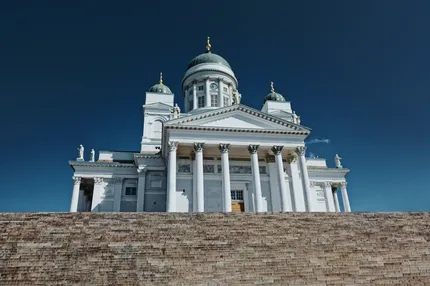
Helsinki Cathedral
Helsinki Cathedral is a dominant landmark overlooking Senate Square in the city centre. Built between 1830 and 1852, the neoclassical Lutheran cathedral was designed by Carl Ludwig Engel. Its distinctive green dome and white facade make it one of Finland's most recognisable buildings. The interior is relatively sparse by cathedral standards, reflecting Lutheran tradition. Entry is free, and the square in front is a popular gathering point year-round.
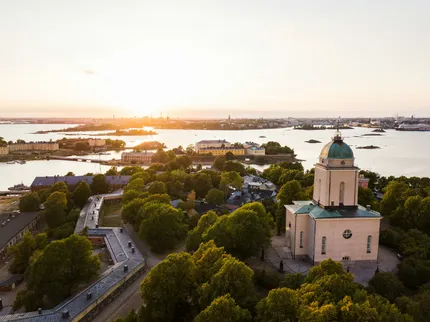
Suomenlinna Fortress
Suomenlinna is a UNESCO World Heritage Site built on a cluster of islands just off the Helsinki coast, accessible by a short ferry ride. Originally constructed by Sweden in the 18th century, this sea fortress served various rulers before becoming part of Finland. Today visitors can explore its ramparts, tunnels, museums, and scenic coastal landscapes. The islands also host a small residential community, restaurants, and galleries.
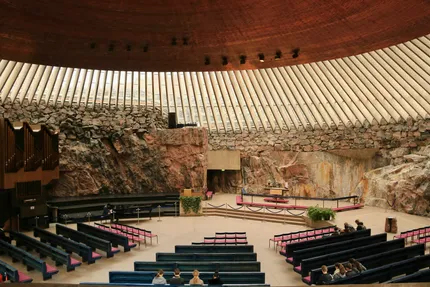
Temppeliaukio Church
Temppeliaukio Church, completed in 1969, is carved directly into solid granite rock in central Helsinki. Designed by architects Timo and Tuomo Suomalainen, the church features a striking copper dome roof and rough stone walls that create remarkable acoustics, making it a popular concert venue. It serves as both an active Lutheran church and one of Finland's most visited tourist attractions, drawing over half a million visitors annually.
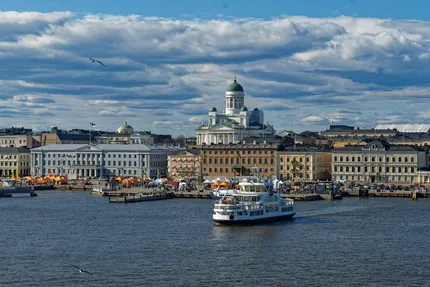
Market Square
Market Square (Kauppatori) sits at Helsinki's waterfront, serving as a central hub for locals and visitors alike. Open-air stalls sell fresh produce, fish caught from the Baltic Sea, berries, handicrafts, and Finnish souvenirs. The square operates year-round, though summer brings the liveliest atmosphere. Nearby landmarks include the Presidential Palace, Helsinki Cathedral, and the ferry terminals connecting the city to surrounding islands.
Ateneum Art Museum
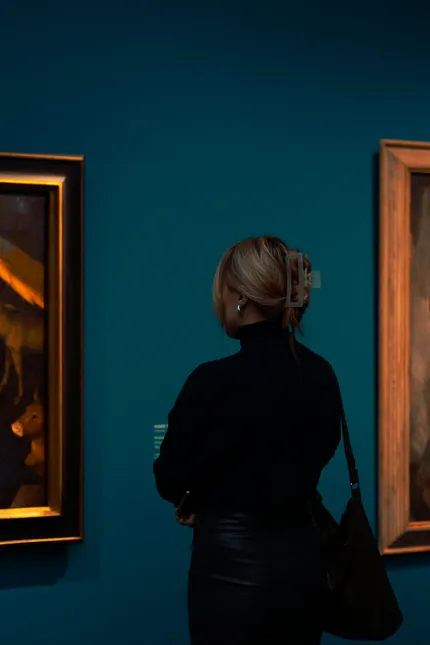
The Ateneum is Finland's national gallery and one of its most visited museums, located in the heart of Helsinki near the central railway station. It houses the largest collection of classical Finnish art, spanning the 19th and early 20th centuries, including works by Albert Edelfelt and Akseli Gallen-Kallela. The museum also holds notable international pieces by artists such as Van Gogh, Cézanne, and Munch.
Esplanadi Park
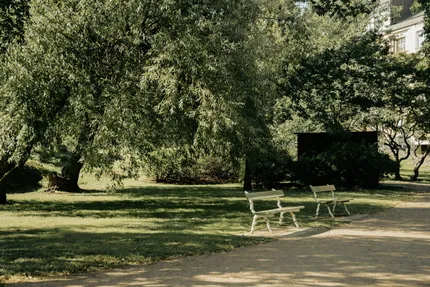
Esplanadi Park is a central green boulevard stretching from the Market Square toward the city center. Flanked by two parallel streets, it features tree-lined walking paths, benches, and a bandstand hosting free summer concerts. The park is surrounded by upscale shops, cafes, and restaurants. It serves as a popular gathering spot for locals and visitors, particularly during warmer months when outdoor terraces fill with people.
Kiasma Museum of Contemporary Art
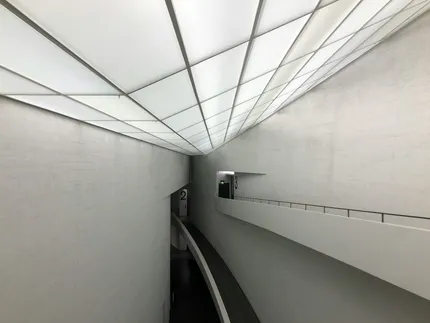
Kiasma is Helsinki’s leading museum for contemporary art, part of the Finnish National Gallery. It presents rotating exhibitions of Finnish and international artists across media such as installation, video, photography, and performance. The museum’s distinctive building, designed by architect Steven Holl, is a highlight itself. Check current exhibitions, guided tours, and events before visiting.
Linnanmäki Amusement Park
Linnanmäki is Helsinki's beloved amusement park, open since 1950. Located in the Alppila district, it features over 40 rides, including the classic wooden roller coaster Ukko, built in 1951. Entry to the park grounds is free, with rides purchased separately. Profits support Finnish child welfare work. The park operates seasonally, typically from late April through October, drawing locals and tourists alike.
Seurasaari Open-Air Museum
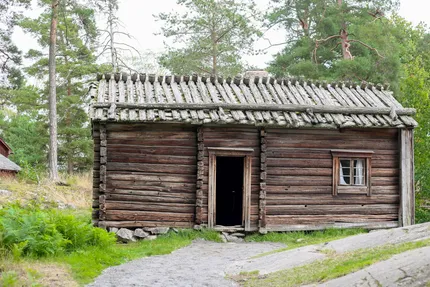
Located on a small island connected to the mainland by a footbridge, Seurasaari Open-Air Museum showcases Finnish rural life and architecture from the 17th to early 20th centuries. Over 80 historic buildings, including farmsteads, a church, and a manor, were relocated here from across Finland. Guides in traditional dress demonstrate crafts and customs, and the island also serves as a nature reserve popular for walks year-round.
This content was created with AI assistance and may contain inaccuracies.