
4 days in Cape Town
South AfricaDay #1
Waterfront, harbor views, and iconic city landmarks
08:00
Breakfast at a café on the V&A Waterfront
The V&A Waterfront is Cape Town's historic working harbour, offering a scenic backdrop of Table Mountain and the Atlantic Ocean. Numerous cafés and restaurants line the waterfront, serving breakfast ranging from full English options to lighter continental fare. The area is lively in the mornings, with views of bobbing boats and occasional seal sightings. It's a convenient and pleasant starting point for a day of exploring the city.
09:30
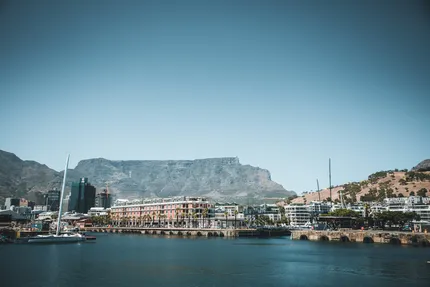
Explore the V&A Waterfront shops and marina
The V&A Waterfront is Cape Town's premier shopping and leisure destination, set within a working harbour. It combines over 450 shops, restaurants, and entertainment venues with scenic views of Table Mountain and the Atlantic Ocean. Visitors can browse local crafts, fashion, and food markets while watching boats in the marina. The area also provides access to the Nobel Square and Robben Island ferries.
11:00
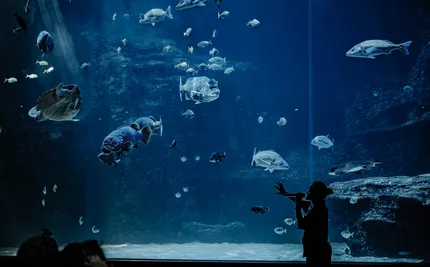
Visit the Two Oceans Aquarium
The Two Oceans Aquarium, located at the V&A Waterfront, showcases marine life from the Atlantic and Indian Oceans. Highlights include a predator exhibit with ragged-tooth sharks, a kelp forest display, and touch pools. The aquarium also runs a sea turtle rescue and rehabilitation programme. It is suitable for all ages and offers behind-the-scenes tours and dive experiences for certified divers.
13:00
Lunch at the V&A Food Market
The V&A Food Market is held every weekend inside a converted red-brick building at the V&A Waterfront. Local vendors sell freshly prepared street food, artisan breads, cheeses, pastries, and craft beverages. It is a lively spot to sample a wide range of South African and international flavors in a relaxed setting. Arrive hungry, as the variety of stalls makes it easy to graze across multiple dishes.
14:30
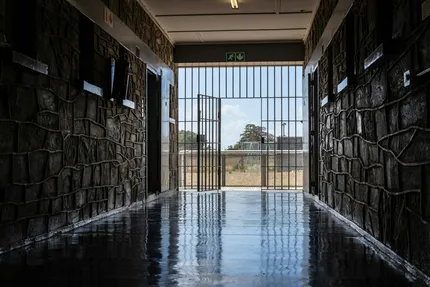
Take a ferry to Robben Island
Robben Island, a UNESCO World Heritage Site, is reached by a short ferry ride from the V&A Waterfront. The island is best known as the prison where Nelson Mandela was held for 18 years during apartheid. Guided tours, often led by former political prisoners, take visitors through the cells and grounds, offering a powerful and sobering account of South Africa's apartheid history.
17:00
Return ferry to Cape Town
The return ferry from Robben Island back to Cape Town departs from the island's jetty and takes approximately 30 minutes to reach the V&A Waterfront. Ferries run several times daily, though schedules depend on weather and sea conditions. Tickets are typically included in the Robben Island Museum entry fee. Book in advance during peak season as departures can fill up quickly.
18:30
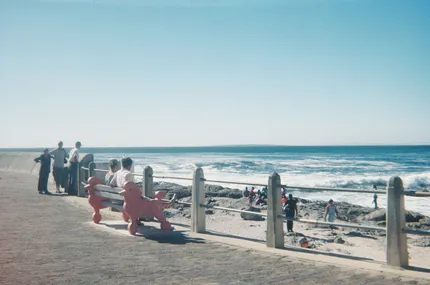
Sunset walk along the Sea Point Promenade
The Sea Point Promenade stretches along Cape Town's Atlantic coastline, offering a flat, paved walkway ideal for an evening stroll. At sunset, the sky above the ocean turns vivid shades of orange and pink, with views of Robben Island in the distance. The promenade is popular with locals jogging, walking dogs, and relaxing. Nearby tidal pools, grassy areas, and cafes add to the experience.
20:00
Dinner at a restaurant in De Waterkant
De Waterkant is a vibrant neighbourhood in Cape Town known for its colourful streets, boutique shops, and lively dining scene. The area offers a range of restaurants serving everything from Mediterranean and Middle Eastern cuisine to contemporary South African dishes. Many venues have outdoor seating, making it a pleasant spot for an evening meal. The neighbourhood is also close to the V&A Waterfront and the Cape Quarter Lifestyle Village.
Day #2
Table Mountain and colorful Bo-Kaap neighborhood
07:30
Early breakfast at the hotel
Start your day early with breakfast at your hotel before heading out to explore Cape Town. Many hotels offer buffet or a la carte options featuring local South African flavors alongside international dishes. An early start is practical in Cape Town, as popular attractions like Table Mountain can get busy quickly, and morning light offers ideal conditions for sightseeing and photography.
08:30
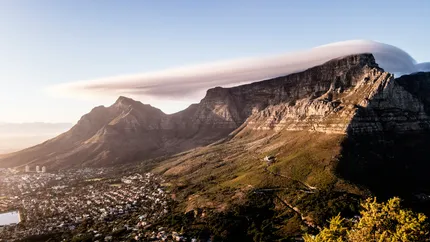
Hike up Table Mountain via Platteklip Gorge
Platteklip Gorge is the most popular hiking route up Table Mountain, offering a well-marked, moderate trail that takes roughly 2 hours to reach the summit. The path winds through the gorge with rewarding views over Cape Town and the Atlantic Ocean. At the top, visitors can explore the plateau, spot indigenous fynbos, and take the cable car back down if preferred.
11:00
Explore the summit and enjoy panoramic views
Table Mountain is one of Cape Town's most iconic landmarks. Visitors can reach the summit via a rotating cable car or by hiking one of several trails. At the top, you'll find sweeping 360-degree views over the city, coastline, and Cape Peninsula. The flat-topped summit also features unique fynbos vegetation and a cafe. Clear days offer the best visibility.
12:30
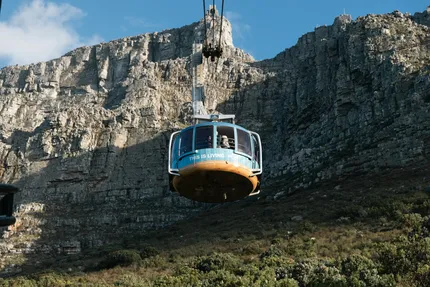
Take the Table Mountain Aerial Cableway down
The Table Mountain Aerial Cableway offers a breathtaking way to descend from the summit of Table Mountain back into Cape Town. The rotating cable cars provide 360-degree views of the city, coastline, and surrounding mountains during the five-minute ride. The lower cable station is located near Tafelberg Road, from where visitors can access transport back to the city center. Operating hours vary by season and weather conditions.
13:30
Lunch at a café near the cable car station
Cape Town's cable car station on Signal Hill Road sits at the base of Table Mountain, surrounded by several casual cafés and eateries. These spots serve straightforward meals including sandwiches, salads, and light South African fare. It is a practical stop before or after riding the Aerial Cableway to the summit, offering views of the mountain and the surrounding landscape while you eat.
15:00
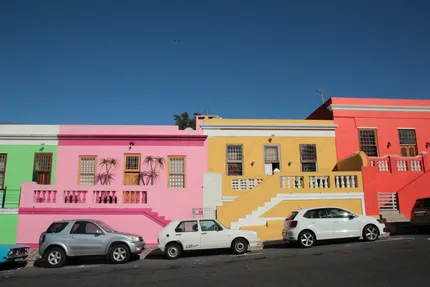
Visit the colorful Bo-Kaap neighborhood
Bo-Kaap is a historic neighborhood on the slopes of Signal Hill, known for its brightly painted houses in shades of yellow, pink, and blue. Once home to freed slaves, it remains the heart of Cape Malay culture in Cape Town. Visitors can explore the Bo-Kaap Museum, walk the cobblestone streets, and sample traditional Cape Malay cuisine at local restaurants.
16:00
Bo-Kaap Museum visit and walking tour
The Bo-Kaap Museum, housed in one of the neighbourhood's oldest buildings, offers insight into the history and culture of Cape Town's Cape Malay community. The surrounding streets, with their brightly painted houses, are best explored on foot. A walking tour takes you through the cobblestone lanes, past mosques and spice shops, revealing the living heritage of this historically significant area.
17:30
Explore Long Street's shops and cafés
Long Street is one of Cape Town's most vibrant thoroughfares, lined with a mix of independent bookshops, vintage clothing stores, African craft shops, and diverse cafés. Running through the city centre, it blends Victorian and Cape Dutch architecture with a lively street culture. Visitors can browse eclectic boutiques, grab coffee at local cafés, and soak up the creative energy that makes this street a favourite with locals and tourists alike.
19:30
Dinner at a Long Street restaurant
Long Street is one of Cape Town's most vibrant thoroughfares, lined with a diverse mix of restaurants offering local and international cuisine. From casual eateries to sit-down restaurants, the street caters to varied tastes and budgets. You'll find South African dishes, Middle Eastern food, pizza, and more. The lively atmosphere, historic Victorian architecture, and proximity to bars and cafes make it a popular dinner destination for locals and visitors alike.
Day #3
Cape Peninsula drive, penguins, and Cape Point
07:30
Breakfast at the hotel
Start your day with breakfast at your Cape Town hotel before heading out to explore the city. Most hotels offer a buffet or set menu featuring a mix of continental and cooked options. Many properties take advantage of Cape Town's stunning scenery, with some offering breakfast venues overlooking Table Mountain, the Atlantic Seaboard, or the V&A Waterfront, setting the tone for the day ahead.
08:30
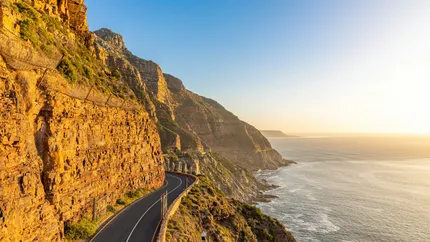
Drive along Chapman's Peak scenic coastal road
Chapman's Peak Drive is a spectacular 9 km coastal road hugging the cliffs between Noordhoek and Hout Bay on the Atlantic seaboard. Carved into the mountainside in the early 20th century, the route offers dramatic views of the ocean and rugged peaks. The road features several designated viewpoints and pullover spots, making it a popular route for both leisure drives and cycling events.
10:00
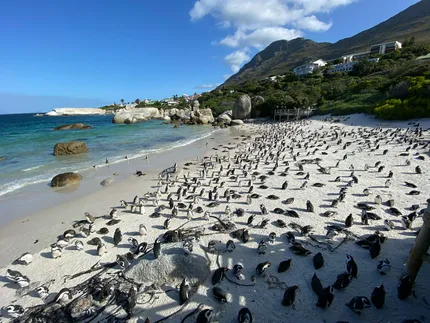
Visit Boulders Beach to see African penguins
Boulders Beach, located near Simon's Town on the Cape Peninsula, is home to a colony of African penguins. Visitors can observe these endangered birds up close from designated boardwalks that wind through the colony. The sheltered beach also offers safe swimming in calm waters. The colony has grown significantly since penguins first settled here in 1982, making it one of Cape Town's most popular day trips.
12:00
Drive to Cape Point Nature Reserve
Cape Point Nature Reserve forms the southern section of Table Mountain National Park. The drive to Cape Point takes you through dramatic coastal scenery along Chapman's Peak or through the Cape Peninsula. At the reserve, you can hike to the old lighthouse for sweeping ocean views, spot baboons and ostriches, and visit the rocky Cape of Good Hope, historically significant as a major landmark for seafarers.
12:30
Lunch at the Two Oceans Restaurant at Cape Point
The Two Oceans Restaurant sits at the foot of Cape Point within the Table Mountain National Park, offering sweeping views of the Atlantic coastline. The menu focuses on fresh seafood and local South African dishes. It is a popular lunch stop for visitors exploring the Cape Peninsula, combining scenic natural surroundings with quality dining. Booking ahead is strongly recommended, especially during peak tourist season.
14:00
Hike to the Cape Point lighthouse
Cape Point, located within Table Mountain National Park, offers a scenic hike to its historic lighthouse perched on dramatic cliffs above the Atlantic Ocean. The trail winds through fynbos vegetation with rewarding views of the rugged coastline. Visitors can hike the steep path or take the Flying Dutchman funicular to the top. The site marks the southwestern tip of the Cape Peninsula.
15:30
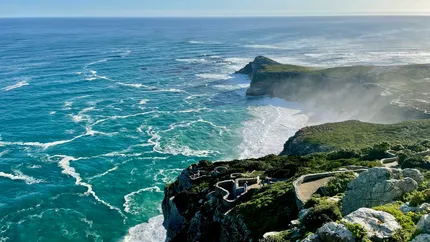
Visit the Cape of Good Hope
The Cape of Good Hope is a dramatic rocky headland at the southwestern tip of the African continent, located within Table Mountain National Park. Visitors can hike or take a funicular to the historic lighthouse, enjoy sweeping Atlantic Ocean views, and spot wildlife including baboons, ostriches, and Cape mountain zebras. The rugged coastal scenery and symbolic significance as a maritime landmark make it a compelling day trip from Cape Town.
17:00
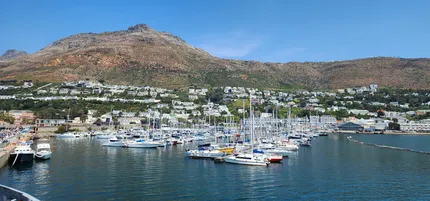
Drive back to Cape Town via Simon's Town
Drive back to Cape Town via Simon's Town, a charming naval town on the eastern shore of the False Bay. The scenic route takes you along the coastline, with sweeping ocean views and opportunities to stop at Boulders Beach, home to a famous African penguin colony. The drive offers a relaxed end to your Cape Peninsula adventure before returning to the city.
19:30
Dinner at a seafood restaurant in Hout Bay
Hout Bay, a scenic fishing village on Cape Town's Atlantic seaboard, is an excellent spot for fresh seafood. Several restaurants along the harbour serve locally caught fish, crayfish, calamari and mussels. The working harbour adds authentic atmosphere, and you can watch fishing boats returning with their catch. Mariner's Wharf is the most established venue, though several other options line the waterfront offering relaxed dining with mountain and ocean views.
Day #4
Wine tasting, Constantia Valley, and farewell dinner
08:30
Breakfast at a local café
Cape Town has a thriving café culture, with many excellent spots concentrated in areas like De Waterkant, Kloof Street, and the City Bowl. Local cafés typically serve freshly baked pastries, eggs on toast, and strong espresso-based coffee. Many places emphasize locally sourced ingredients. Popular options include Truth Coffee, The Neighbourgoods Market on Saturdays, and various neighbourhood spots that reflect the city's diverse culinary influences.
09:30
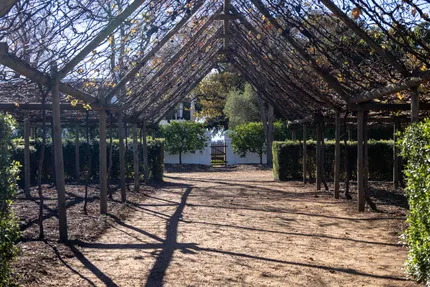
Drive to the Constantia Wine Valley
The Constantia Wine Valley, nestled on the eastern slopes of Table Mountain, is one of South Africa's oldest wine-producing regions, dating back to 1685. A short drive from Cape Town's city centre, the valley is home to several historic estates including Groot Constantia, Klein Constantia, and Buitenverwachting. Visitors can enjoy wine tastings, cellar tours, and meals at estate restaurants surrounded by beautiful mountain scenery.
10:00
Wine tasting at Groot Constantia wine estate
Groot Constantia is South Africa's oldest wine estate, located in the Constantia Valley about 20 minutes from central Cape Town. The estate produces well-regarded wines including its famous Gouverneurs Reserve red blend and dessert wine. Visitors can taste wines in the cellar tasting room, tour the historic Cape Dutch homestead, and dine at one of two restaurants set among oak trees and mountain views.
12:00
Explore the Constantia estate grounds and museum
Groot Constantia is Cape Town's oldest wine estate, dating to 1685. Set against the slopes of the Constantiaberg mountain, the estate features Cape Dutch architecture, beautifully maintained gardens, and a working winery. Visitors can tour the historic manor house museum, which displays period furniture and artifacts, and taste wines in the cellar. The estate offers a genuine glimpse into the Cape's colonial and winemaking history.
13:00
Lunch at the Jonkershuis Restaurant at Groot Constantia
Jonkershuis Restaurant is set within the historic Groot Constantia wine estate, South Africa's oldest wine-producing estate dating to 1685. The restaurant offers Cape Malay and traditional South African cuisine in a charming Cape Dutch homestead setting. Diners can enjoy dishes like bobotie, slow-roasted lamb, and fresh seafood, paired with Groot Constantia wines. The shaded outdoor terrace overlooking the estate's gardens makes it a relaxed and scenic lunch spot.
14:30
Wine tasting at Buitenverwachting wine estate
Buitenverwachting is a historic wine estate nestled in the Constantia Valley, one of South Africa's oldest wine-producing regions. Visitors can taste a range of elegant wines, including their well-regarded Chardonnay and Bordeaux-style blends, in a scenic Cape Dutch setting. The estate also offers a restaurant and picnic options, making it a pleasant half-day outing from central Cape Town, about 20 minutes away.
16:00
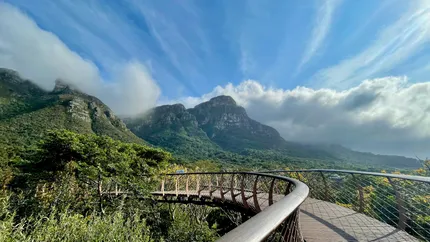
Visit Kirstenbosch National Botanical Garden
Kirstenbosch National Botanical Garden lies on the eastern slopes of Table Mountain and showcases South Africa's extraordinary plant diversity. The garden is home to thousands of indigenous species, including fynbos, cycads, and proteas. Visitors can walk shaded trails, cross the famous Boomslang tree canopy walkway, and enjoy sweeping mountain views. Summer sunset concerts on the lawns are a beloved Cape Town tradition.
17:30
Attend the sunset concert at Kirstenbosch if available
Kirstenbosch National Botanical Garden hosts its popular Summer Sunset Concerts on Sunday evenings from November through April. Visitors bring picnic blankets and baskets to enjoy live music on the lawn against the backdrop of Table Mountain. Performances span various genres including jazz, classical, and popular music. Gates open in the afternoon, with concerts starting around 5:30pm. Tickets sell out quickly, so advance booking is recommended.
19:30
Farewell dinner at a top restaurant in the City Bowl
End your Cape Town trip with a memorable dinner in the City Bowl, home to some of the city's finest restaurants. The area offers a wide range of acclaimed dining options, from contemporary South African cuisine to international fare, many with views of Table Mountain. Neighbourhoods like De Waterkant, Gardens, and the city centre host celebrated spots where you can reflect on your travels over excellent food and wine.