
City break inCairo
Cairo is one of the world's great megacities, a sprawling metropolis of over 20 million people straddling the Nile in northeastern Africa. The city is home to some of humanity's most iconic monuments, including the Pyramids of Giza and the Great Sphinx, which sit on the city's western edge where the desert begins. Beyond these ancient wonders, Cairo offers the Egyptian Museum, one of the most important collections of ancient artifacts in the world, including the treasures of Tutankhamun.
The historic district of Islamic Cairo is a UNESCO World Heritage Site, dense with medieval mosques, madrasas, and bustling bazaars like Khan el-Khalili, where the city's ancient trading culture remains very much alive. Coptic Cairo adds another historical layer, with early Christian churches and a rich heritage predating the Islamic period. The city moves at its own rhythm, loud and chaotic at times, but deeply rewarding for those willing to engage with its layers of history, culture, and daily life along the Nile.
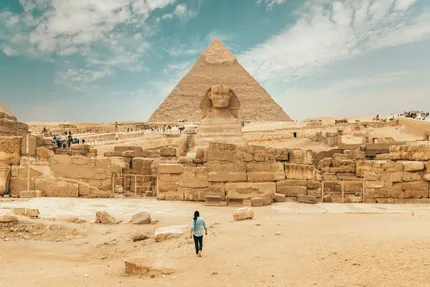
The Pyramids of Giza
The Pyramids of Giza, located on the city's outskirts, are among the world's most iconic ancient monuments. Built around 2500 BCE as royal tombs, the complex includes three main pyramids, the Great Sphinx, and several smaller structures. The Great Pyramid of Khufu, the largest, was the tallest man-made structure on Earth for thousands of years. Camel rides and guided tours are available on site.
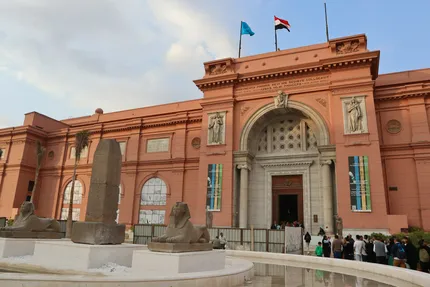
Egyptian Museum
Home to one of the world's greatest collections of ancient artifacts, the Egyptian Museum on Tahrir Square holds over 120,000 objects. The treasures of Tutankhamun, including his golden death mask, are the undisputed centerpiece. The museum offers an overwhelming but rewarding deep dive into pharaonic history spanning thousands of years. Allocate at least half a day for a proper visit.
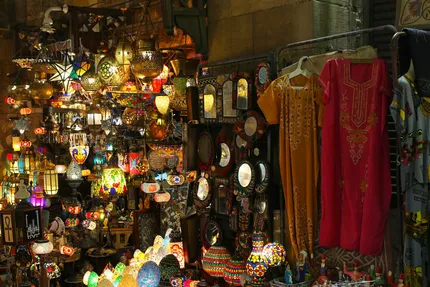
Khan el-Khalili Bazaar
Khan el-Khalili is one of the oldest and most famous bazaars in the Middle East, dating back to the 14th century. Located in Islamic Cairo, it offers a labyrinth of narrow alleys filled with shops selling spices, jewelry, textiles, lanterns, and souvenirs. The surrounding area features historic mosques, madrasas, and traditional coffeehouses, making it a cultural landmark as much as a shopping destination.
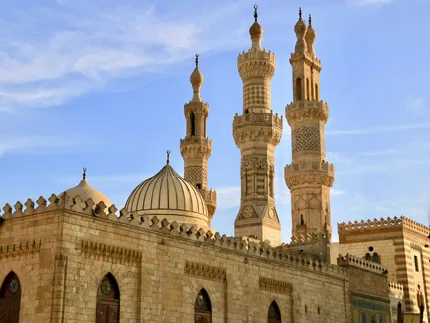
Islamic Cairo
This historic district contains hundreds of mosques, madrasas, and medieval monuments concentrated in a compact area. The Ibn Tulun Mosque, one of the oldest and best preserved in Egypt, and the ornate Sultan Hassan Mosque are standout examples. Walking through the area reveals layers of Islamic architecture spanning over a millennium, all within a lively, densely populated neighborhood.
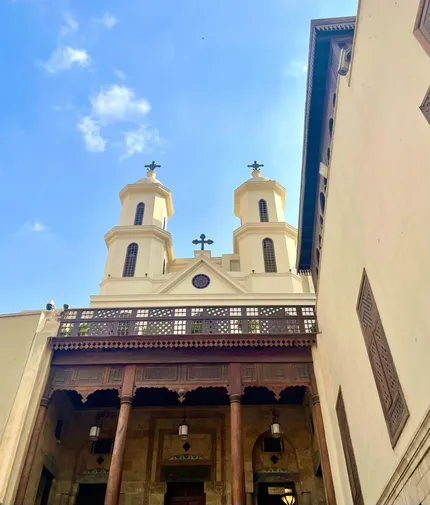
Coptic Cairo
Coptic Cairo is a historic district in Old Cairo housing some of Egypt's oldest Christian sites. Key attractions include the Hanging Church, built atop a Roman gatehouse, the Coptic Museum with its extensive collection of early Christian artifacts, and the Church of St. Sergius, traditionally built over a site where the Holy Family sheltered. The area also contains a synagogue and several ancient churches within a compact, walkable area.
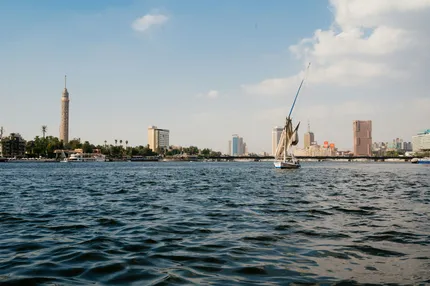
Nile Felucca Ride
A felucca is a traditional wooden sailing boat that has been used on the Nile for centuries. Taking a felucca ride in Cairo offers a peaceful escape from the city's noise and traffic. Boats can be hired near the Corniche for short trips drifting along the river. It is best enjoyed in the late afternoon or evening when temperatures drop and the city skyline catches the fading light.
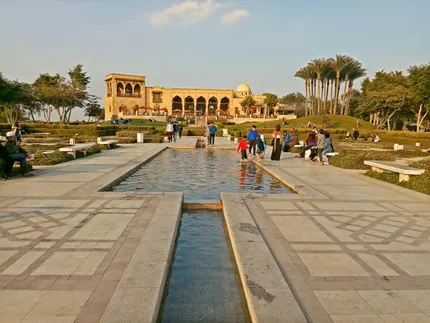
Al-Azhar Park
Built on what was once a centuries-old rubbish heap, Al-Azhar Park is a large, landscaped green space in the heart of historic Cairo. It offers panoramic views over the medieval city and the citadel. The park is well maintained and popular with locals for relaxing, picnicking, and evening strolls. It also contains a good restaurant serving Egyptian and international cuisine.
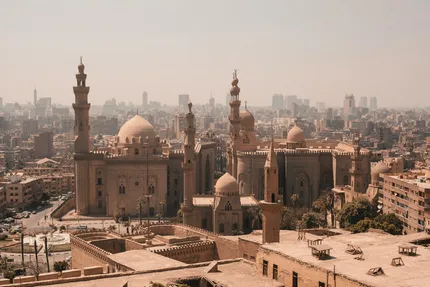
Cairo Citadel
Saladin's medieval fortress sits on a prominent hill and has dominated the city's skyline since the 12th century. Inside the complex, the Muhammad Ali Mosque, with its Ottoman-style domes and alabaster interior, is the main draw. The citadel also houses several smaller museums covering military history and Egyptian heritage. The elevated position provides sweeping views across the sprawling city below.
Street Food in Downtown Cairo
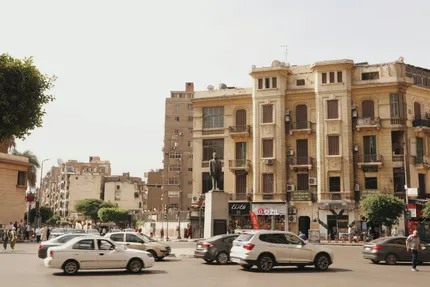
Cairo's street food scene is varied and deeply local. Staples include koshari, a filling mix of pasta, lentils, and spiced tomato sauce, along with falafel, ful medames, and freshly baked flatbread. Downtown and working-class neighborhoods are the best places to eat like a local. Prices are low and portions generous, making street food exploration one of the city's genuine pleasures.
Who should visit Cairo
Cairo is an excellent destination for history enthusiasts and archaeology lovers. Few cities on earth offer such direct access to ancient civilizations, and travelers with a genuine interest in Pharaonic, Coptic, and Islamic history will find the city endlessly rewarding. The sheer concentration of world-class museums and historical sites makes it ideal for those who prefer culturally focused itineraries over beach or nature holidays. Budget travelers will find Cairo relatively affordable compared to European capitals, with cheap local food, low-cost public transport, and reasonably priced accommodation options across various neighborhoods.
Photography enthusiasts will find constant material in the city's layered streetscapes, markets, and monumental architecture. Travelers interested in religion and its role in everyday life will appreciate how Islam shapes the rhythm of the city, from the call to prayer echoing across rooftops to the lively atmosphere around major mosques. Cairo is less suited for travelers seeking nightlife, outdoor adventure, or a relaxed pace. It is a demanding city that rewards curiosity and preparation, making it best suited to travelers who come with specific interests and a willingness to navigate its organized chaos.

Best time to visit Cairo
The best time to visit Cairo is from October to April, when temperatures are considerably cooler and more comfortable for sightseeing, particularly at outdoor sites like the Pyramids. December and January are peak tourist months and can be crowded. Spring, especially March and April, offers pleasant weather but occasional sandstorms known as khamsin winds. Summer months from June to August are extremely hot, often exceeding 35 degrees Celsius, making extensive outdoor exploration quite demanding. Visiting during Ramadan can be a unique cultural experience, though some services may have adjusted hours.
Three top reasons for a city trip to Cairo
- The Giza Pyramid Complex, located on Cairo's outskirts, houses the last surviving Wonder of the Ancient World alongside the Great Sphinx, offering an unmatched encounter with 4,500-year-old pharaonic civilization.
- The Egyptian Museum in Tahrir Square holds the world's largest collection of ancient Egyptian artifacts, including Tutankhamun's gold death mask and thousands of royal mummies and treasures.
- Islamic Cairo, a UNESCO World Heritage district, features over 600 medieval mosques, madrasas, and bazaars including Khan el-Khalili, where centuries-old architecture and vibrant street life coexist remarkably.
Cairo is a sprawling megacity where walking long distances is generally impractical due to heat, traffic, and the sheer size of the urban area. The Cairo Metro is the most efficient way to get around, covering key areas including Giza, downtown, and Heliopolis across three lines. Buses and minibuses are cheap but can be confusing for visitors unfamiliar with routes. Ride-hailing apps like Uber and Careem are widely available, affordable, and strongly recommended for reaching areas not served by the metro. Traditional black-and-white taxis are also plentiful, though agreeing on a fare before travel is advisable. Traffic congestion is severe, particularly during peak hours, so metro travel saves significant time. Cycling is not recommended due to aggressive traffic and a lack of dedicated infrastructure. A private car is useful for day trips to sites outside the city such as Saqqara or the Fayoum Oasis.
This content was created with AI assistance and may contain inaccuracies.