
3 days in Brussels
BelgiumDay #1
Grand Place, historic center, and Belgian classics
08:30
Breakfast at a local café near Grand Place
09:30
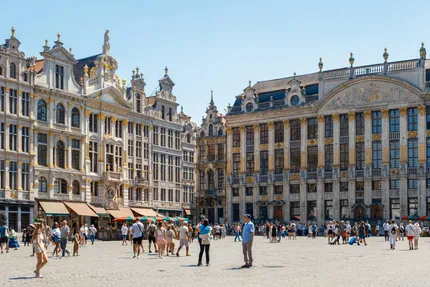
Explore Grand Place and surrounding guildhalls
Brussels’ Grand-Place (Grote Markt) is the city’s central square and a UNESCO World Heritage site, known for its ornate 17th-century guildhalls, the Town Hall, and the Maison du Roi/Broodhuis. Walk the perimeter to see gilded façades and sculpted details, then explore nearby streets for historic buildings, cafés, and frequent public events.
10:30
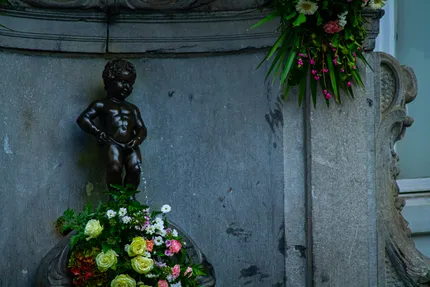
Walk to Manneken Pis and nearby streets
Manneken Pis is a small 17th-century bronze fountain statue near Brussels’ Grand-Place. A short walk through the surrounding streets—such as Rue de l’Étuve and nearby lanes—passes chocolate shops, waffle stands, and souvenir stores, and connects easily to other central sights like the Galeries Royales Saint-Hubert. The area is busy and best explored on foot.
11:15
Galeries Royales Saint-Hubert window-shopping
Galeries Royales Saint-Hubert is a 19th-century covered arcade in central Brussels, near Grand-Place. It’s known for its glass-roofed passages, elegant façades, and upscale boutiques. Window-shopping here highlights Belgian chocolate shops, fashion, jewelry, and book or gift stores. The arcade also has cafés and a cinema, making it an easy stop in any city walk.
12:30
Lunch: Belgian brasserie (moules-frites or carbonnade)
In Brussels, a Belgian brasserie is a classic spot for lunch. Order moules-frites (mussels with fries), often served with white wine, garlic, or cream sauces, or carbonnade flamande, a slow-cooked beef-and-beer stew. Many brasseries also pour Belgian beers on tap. Expect hearty portions and a relaxed, table-service meal.
14:00
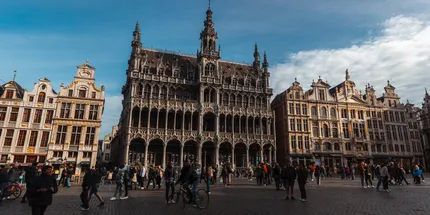
Visit Brussels City Museum (Maison du Roi) at Grand Place
Brussels City Museum (Maison du Roi/Broodhuis) sits on the Grand Place and presents the city’s history through paintings, sculptures, maps, and archaeological finds. A key highlight is the extensive collection of Manneken Pis costumes. The building itself is a neo-Gothic reconstruction of a former market hall. Allow about 1–2 hours.
15:30
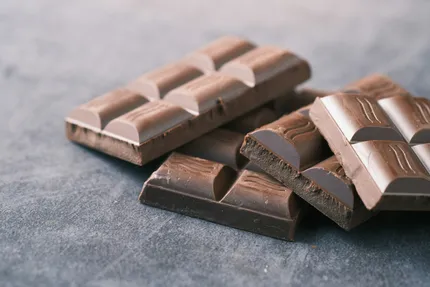
Chocolate tasting at a renowned chocolatier
Brussels is known for high-quality Belgian chocolate, and many renowned chocolatiers offer guided tastings. Expect to sample pralines, truffles, and single-origin bars while learning about cocoa sourcing, roasting, and tempering. Tastings often compare different cacao percentages and fillings, and may include pairing suggestions (coffee, tea, or beer). Booking ahead is recommended for small-group sessions.
16:30
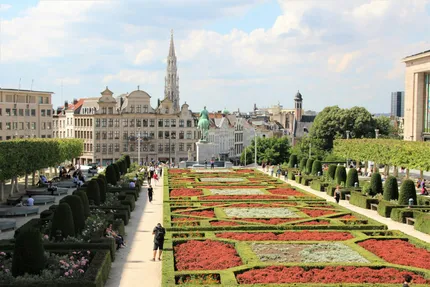
Mont des Arts viewpoint and gardens stroll
Mont des Arts is a landscaped terrace and garden complex in central Brussels, linking the Royal Palace area with the city center. The viewpoint offers a classic panorama toward the Town Hall spire on Grand-Place. Paths, lawns, and seasonal flowerbeds make it a popular short stroll. Nearby are major museums and the Brussels Central Station.
17:00
Magritte Museum (or Royal Museums of Fine Arts)
The Magritte Museum in Brussels is part of the Royal Museums of Fine Arts of Belgium and focuses on works by Belgian surrealist René Magritte. It displays paintings, drawings, and archival material across multiple floors, offering context on his themes and techniques. The museum is located near Place Royale and can be visited alongside the broader fine arts collections.
19:30
Dinner in Sainte-Catherine area
The Sainte-Catherine area in central Brussels is known for its concentration of restaurants and cafés around Place Sainte-Catherine and the former fish market. It’s a popular place for dinner, with options ranging from Belgian brasseries to seafood-focused spots and international cuisine. The neighborhood is walkable from the city center and lively in the evening.
21:00
Belgian beer tasting at a classic bar
Join a Belgian beer tasting at a classic Brussels bar to sample a curated range of local styles, often including Trappist ales, lambics, gueuze, and strong blondes. Tastings typically explain brewing traditions, glassware, and serving methods, with guidance on aroma and flavor. Many venues offer small pours and pairing suggestions such as cheese or charcuterie.
Day #2
EU quarter, parks, and Art Nouveau highlights
08:30
Breakfast near Place Jourdan (try a local bakery)
09:30
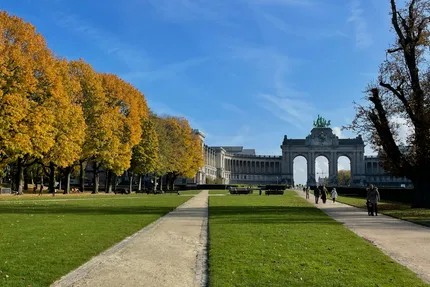
Parc du Cinquantenaire morning walk
A morning walk in Parc du Cinquantenaire is an easy way to see one of Brussels’ landmark parks. Stroll along broad paths and lawns toward the Cinquantenaire Arch, and pass the park’s museums, including Autoworld and the Royal Museum of the Armed Forces and Military History. Early hours are typically quieter, with joggers and commuters.
10:30
Visit Autoworld or the Art & History Museum
Autoworld, in Brussels’ Cinquantenaire Park, is a car museum with a large collection spanning early automobiles to modern classics, including Belgian marques and themed exhibitions. Nearby, the Art & History Museum covers archaeology, decorative arts, and world cultures, with notable collections from ancient Egypt, Greece and Rome, and Islamic art. Both are easily reached by metro.
12:30
Lunch at Place Jourdan (frites stop optional)
14:00
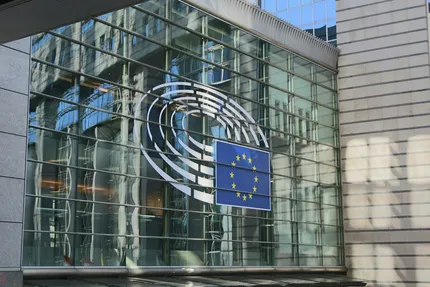
European Parliament: Parlamentarium visit
The Parlamentarium is the European Parliament’s visitor centre in Brussels, located near the Parliament complex. A self-guided visit uses interactive displays and multimedia to explain how the EU works, how laws are made, and how Parliament represents citizens. Entry is typically free, with audio guides available in many languages. Allow about 1–2 hours.
15:30
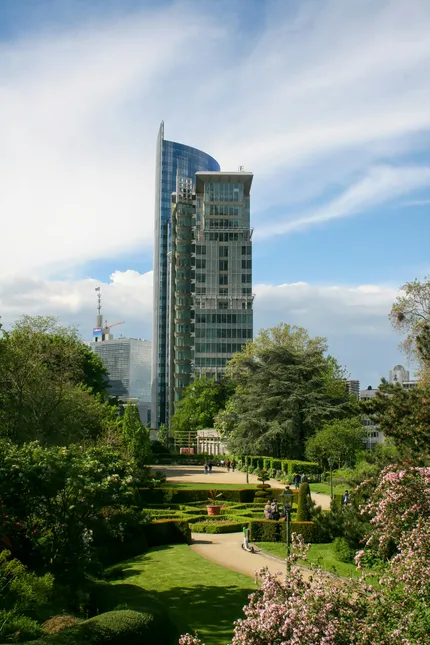
Leopold Park stroll and coffee break
Leopold Park is a small, leafy park in Brussels’ European Quarter, next to the European Parliament. It has walking paths, ponds, and lawns, making it a calm place for a short stroll between museums and EU buildings. For a coffee break, nearby options cluster around Place du Luxembourg and along Rue Belliard.
16:30
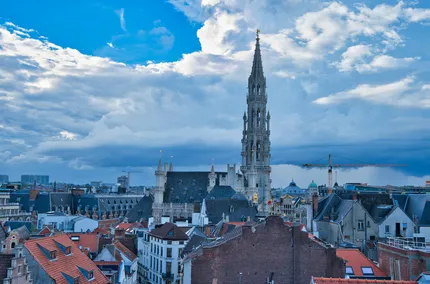
Art Nouveau walk in Ixelles/Saint-Gilles (Horta area)
An Art Nouveau walk in Ixelles and Saint-Gilles focuses on Brussels’ late-19th/early-20th-century architecture, closely linked to Victor Horta. Typical stops include the Horta Museum (his former home and studio) and nearby streets with ornate façades, ironwork, and stained glass. Many buildings are private, so the walk is mainly an exterior route with optional museum entry.
18:30
Dinner in Saint-Gilles or Chatelain neighborhood
Saint-Gilles and the Châtelain area are popular Brussels neighborhoods for dinner, known for a dense mix of restaurants and bars. Saint-Gilles centers on Parvis de Saint-Gilles and nearby streets, with many international and Belgian options. Châtelain, around Place du Châtelain, is lively in the evenings and easy to reach by tram.
20:30
Evening drinks at Flagey or a local wine bar
Day #3
Atomium, mini Europe, and local neighborhoods
08:30
Breakfast and coffee near your accommodation
09:30
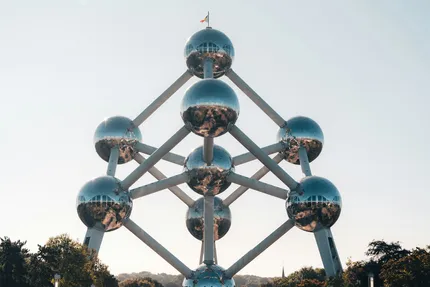
Head to Heysel: Atomium visit (views and exhibits)
Visit the Atomium at Heysel, Brussels’ iconic 1958 World Expo landmark. Ride the elevator to the top sphere for panoramic city views, then explore connected spheres with exhibitions on the building’s history, design, and temporary art or science displays. The site is next to Mini-Europe and the Brussels Expo halls, making it easy to combine.
11:30
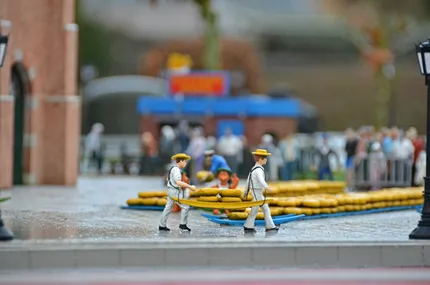
Mini-Europe visit (next to Atomium)
Mini-Europe is an open-air miniature park at the foot of the Atomium in Brussels. It features scale models of major European landmarks, with interpretive panels and interactive elements that explain architecture and EU-related themes. The visit is typically self-guided and takes around 1–2 hours, making it easy to combine with the Atomium and nearby park areas.
13:00
Lunch at Heysel area or return toward center
14:30
Explore Marolles: Place du Jeu de Balle and antiques
In Brussels’ Marolles district, Place du Jeu de Balle hosts the daily Marché aux Puces flea market, known for secondhand goods, vintage items, and curios. The surrounding streets (notably Rue Haute and Rue Blaes) are lined with antique shops, design stores, and galleries. It’s a good area for browsing, bargaining, and seeing a traditional neighborhood atmosphere.
16:00
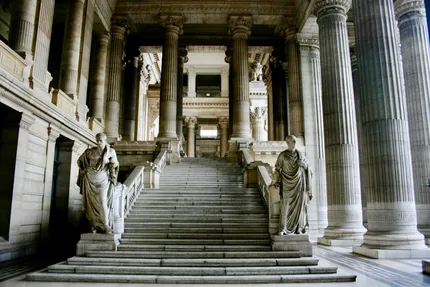
Visit Palais de Justice viewpoint (outside) and nearby streets
The Palais de Justice sits above Brussels’ Upper Town and offers wide city views from the esplanade outside the building. From here you can walk to the Poelaert lift for access to the Marolles district, then explore nearby streets such as Rue Haute and Place du Jeu de Balle, known for its daily flea market.
17:00

Relax in Parc de Bruxelles or a final waffle stop
Parc de Bruxelles (Warandepark) is Brussels’ central city park, between the Royal Palace and the Belgian Parliament. It’s a convenient place to unwind on benches or lawns and watch local life. For a final waffle stop nearby, look for shops around Place Royale, Mont des Arts, or the city center, where both Brussels and Liège-style waffles are common.
19:30
Farewell dinner: Belgian cuisine or modern bistro
For a farewell dinner in Brussels, choose classic Belgian cuisine—moules-frites, carbonnade flamande (beef stew), croquettes, and Belgian waffles—paired with local Trappist or lambic beers. Modern bistros often reinterpret these staples with seasonal ingredients and natural wines. Popular areas for dining include Sainte-Catherine, Dansaert, and Ixelles; reservations are recommended.
21:00
Evening stroll around illuminated Grand Place
An evening stroll around Brussels’ Grand-Place lets you see the UNESCO-listed square lit up, highlighting the ornate guildhalls and the Town Hall’s Gothic spire. The lighting brings out gold details and façades that are easy to miss by day. It’s a central, walkable area with cafés nearby and frequent public transport access.