
2 days in Brussels
BelgiumDay #1
Explore the historic heart of Brussels
08:00
Breakfast at a local café near Grand Place
09:00
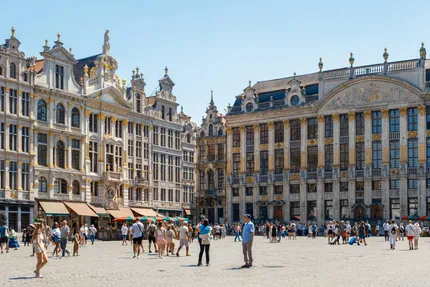
Visit the Grand Place (Grote Markt)
The Grand Place is Brussels' central square and a UNESCO World Heritage Site. Surrounded by ornate guild houses, the Gothic Town Hall and the Breadhouse, the square dates back to the 11th century. It hosts seasonal events including a biennial flower carpet display. The architecture is particularly impressive when illuminated at night. It remains the cultural and historical heart of the city.
10:00
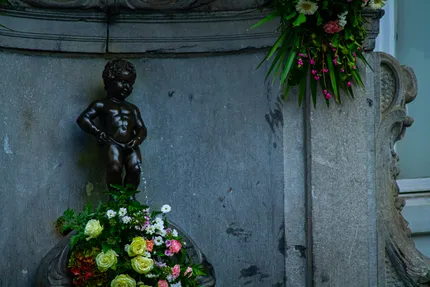
See the Manneken Pis statue
The Manneken Pis is a small bronze fountain statue of a urinating boy, located near the Grand Place in central Brussels. Created by sculptor Jérôme Duquesnoy in 1619, it has become one of Brussels' most recognizable symbols. The statue is frequently dressed in miniature costumes, reflecting local events or international occasions. A collection of these outfits is displayed at the Brussels City Museum.
10:30
Explore the Galeries Royales Saint-Hubert
The Galeries Royales Saint-Hubert is a grand 19th-century shopping arcade in central Brussels, opened in 1847. One of Europe's oldest covered galleries, it features elegant glass-vaulted ceilings and ornate neoclassical architecture. The arcade houses luxury boutiques, chocolatiers, cafes, a theater, and a cinema. It remains a lively gathering place and a fine example of European commercial and architectural heritage.
12:00
Lunch at a traditional Belgian brasserie
Brussels is home to many traditional Belgian brasseries serving classic dishes like moules-frites, waterzooi, and stoofvlees. These lively, unpretentious restaurants are a cornerstone of local culture. Look for spots around the Grand Place or Saint-Gery neighborhood for an authentic experience. A typical lunch pairs well with a Belgian beer, chosen from a menu that often features dozens of local varieties, from lambics to Trappist ales.
13:30
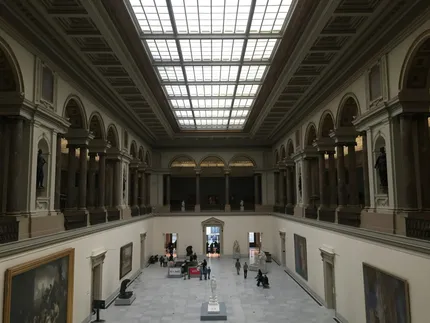
Visit the Royal Museums of Fine Arts of Belgium
The Royal Museums of Fine Arts of Belgium in Brussels comprise several interconnected museums housing one of the country's most important art collections. Highlights include works by Flemish masters such as Bruegel and Rubens, alongside an exceptional collection of Belgian symbolist and surrealist art, including pieces by Magritte. The adjacent Magritte Museum is dedicated entirely to the surrealist painter's work.
15:30
Stroll through the Sablon neighbourhood and antique market
The Sablon neighbourhood is one of Brussels' most charming areas, centred around the Grand Sablon square. On weekends, an antique market fills the square with vendors selling furniture, art, silverware, coins and curiosities. The surrounding streets are lined with antique dealers, chocolate shops and galleries. Nearby Notre-Dame du Sablon church is worth a visit, and the area offers some of the city's finest dining and café options.
16:30
Visit the Notre-Dame du Sablon Church
Notre-Dame du Sablon is a stunning late Gothic church in central Brussels, built between the 15th and 17th centuries. Located in the upscale Sablon neighborhood, the church features beautiful stained glass windows, intricate stonework, and a richly decorated interior. It remains an active place of worship and stands beside the popular Sablon square, known for its antique market and chocolate shops.
17:30
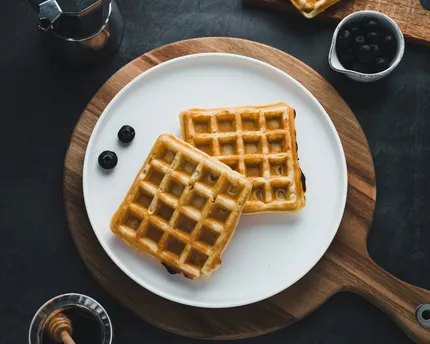
Try Belgian waffles at a local vendor
Brussels is the birthplace of the Belgian waffle, and trying one from a local street vendor is a must. You will find two main varieties: the Brussels waffle, light and rectangular with deep pockets, and the denser Liege waffle, sweetened with pearl sugar. Both are served plain or topped with fruit, cream, or chocolate. Look for vendors near Grand Place or busy pedestrian streets for the freshest options.
19:00
Dinner at a restaurant in the Ste-Catherine district
The Ste-Catherine district is one of Brussels' most celebrated food neighborhoods, centered around the old fish market square. The area is lined with seafood restaurants serving fresh mussels, oysters, and sole, alongside more diverse dining options. The atmospheric streets and lively terraces make it a popular evening destination. It offers a genuine local experience away from the more touristy Grand Place area.
21:00
Evening walk along the Bourse and Place de Brouckère
The Bourse, Brussels' former stock exchange, is a stunning neoclassical building at the heart of the city. A short walk leads to Place de Brouckère, a lively square lined with grand historic buildings and illuminated signs. In the evening, both spots buzz with locals and visitors enjoying the cafes and bars nearby. The area captures Brussels' blend of architectural heritage and vibrant city life.
Day #2
Discover art, science and European quarter
08:00
Breakfast at a café in Ixelles
Ixelles is a lively Brussels commune known for its café culture and diverse dining scene. Starting your day here means choosing from a range of neighbourhood spots serving fresh pastries, quality coffee, and Belgian breads. The area around Place Flagey and Rue Lesbroussart is particularly popular for morning coffee stops, attracting a local crowd of students, professionals, and residents on their daily routines.
09:00
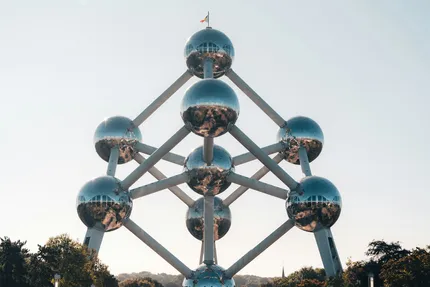
Visit the Atomium
The Atomium is a landmark building in Brussels, originally constructed for the 1958 World Expo. Shaped like a unit cell of an iron crystal magnified 165 billion times, it stands 102 meters tall. Visitors can explore several spheres connected by escalators and tubes, with exhibits on the 1958 Expo, a panoramic view from the top sphere, and a permanent design museum.
10:30
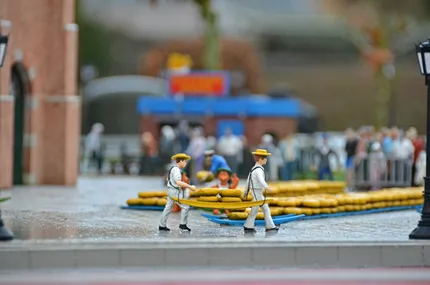
Explore Mini-Europe park next to the Atomium
Mini-Europe is an outdoor miniature park located at the base of the Atomium in the Laeken district. It features over 350 scale models of famous European landmarks and monuments, representing all EU member states. Visitors can see recreations of the Eiffel Tower, Big Ben, the Acropolis, and more. The park is family-friendly and offers an entertaining way to explore European culture and architecture in a single visit.
12:30
Lunch at a restaurant in Laeken
Laeken is a leafy district in northern Brussels, home to the Royal Palace and its famous greenhouses. The area offers a range of restaurants serving traditional Belgian cuisine alongside international options. A lunch here provides a relaxed break from sightseeing, with brasseries and local eateries offering classics like stoofvlees, moules-frites, or a simple croque-monsieur, typically accompanied by Belgian beer or local wine.
14:00
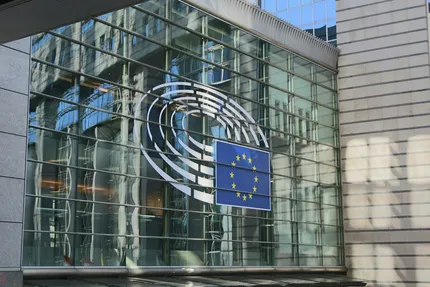
Visit the European Parliament (Parlamentarium visitor centre)
The Parlamentarium is the visitor centre of the European Parliament in Brussels, offering a free and immersive experience about how the EU works. Using multimedia displays and interactive exhibits, visitors can explore the history of European integration and the role of the Parliament. It is one of the most visited attractions in Brussels and provides context for understanding European democracy and its institutions. No advance booking is required.
15:30
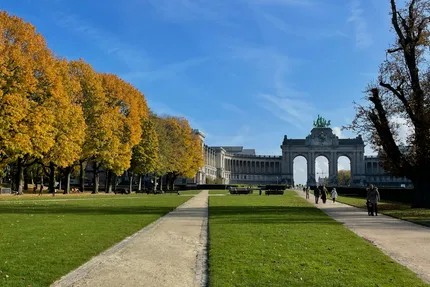
Stroll through Parc du Cinquantenaire
Parc du Cinquantenaire is a large public park in the European Quarter of Brussels, built to celebrate Belgium's 50th anniversary of independence. The park features manicured gardens, fountains, and the iconic triumphal arch. It is also home to three major museums, including the Royal Museums of Art and History. The grounds are popular for walking, jogging, and picnicking among locals and visitors alike.
16:30
Visit the Royal Museum of the Armed Forces and Military History
Located in the Cinquantenaire Park, the Royal Museum of the Armed Forces and Military History is one of Europe's largest military museums. It covers Belgian and international military history from the late 18th century to the present day. Highlights include an impressive aviation hall with vintage aircraft, armored vehicles, weapons collections, and extensive exhibits on both World Wars. Admission is free for EU citizens under 26.
18:00
Explore the trendy Flagey neighbourhood
The Flagey neighbourhood centres around the iconic Art Deco Flagey building, a former broadcasting centre now hosting cultural events and concerts. The surrounding Place Flagey buzzes with a popular market on weekends and plenty of cafes and bars. Located between two ponds, Etangs d'Ixelles, the area attracts students and locals alike, offering a relaxed, authentic Brussels atmosphere away from the main tourist circuits.
19:30
Dinner at a restaurant on Place Flagey
Place Flagey is a lively square in the Ixelles district, popular with locals. The area surrounding the square offers a good selection of restaurants, cafes and brasseries serving Belgian and international cuisine. The iconic Art Deco Flagey building, a former radio broadcast center, serves as a cultural hub nearby. The square has a relaxed, neighborhood atmosphere that makes it a pleasant spot for an evening meal.
21:00
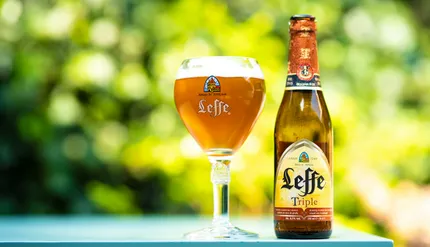
End the evening with Belgian beers at a local craft beer bar
Brussels is a paradise for beer lovers, with hundreds of Belgian brews to explore. End your evening at a local craft beer bar such as Moeder Lambic or Delirium Café, where you can sample Trappist ales, lambics, saisons, and gueuzes. Knowledgeable staff can guide you through the selections, making it easy to discover new favorites among Belgium's celebrated brewing traditions.