
City break inBangkok
Bangkok, the capital of Thailand, is one of Southeast Asia's most dynamic and layered cities. It sits along the Chao Phraya River and sprawls across a vast urban landscape that blends ancient temples, colonial-era architecture, glass skyscrapers, and bustling street markets. The Grand Palace and Wat Phra Kaew draw millions of visitors each year, while neighborhoods like Banglamphu, Chinatown, and Thonglor each offer a distinct character. Bangkok is globally celebrated for its street food scene, with vendors serving pad thai, boat noodles, mango sticky rice, and grilled satay at virtually every corner.
The city also has a vibrant nightlife, world-class rooftop bars, underground clubs, and live music venues. Canal boat rides provide a quieter perspective on a city that can otherwise feel relentlessly fast-paced. Shopping ranges from luxury malls like ICONSIAM to sprawling weekend markets like Chatuchak. Despite its chaotic traffic and tropical humidity, Bangkok rewards curious travelers with extraordinary density of culture, flavor, and experience.
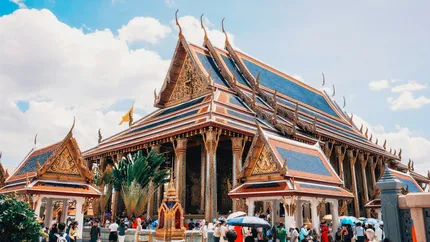
Grand Palace & Wat Phra Kaew
The Grand Palace is Bangkok's most iconic landmark, serving as the official residence of Thai kings for over 200 years. Within its grounds sits Wat Phra Kaew, the Temple of the Emerald Buddha, housing a revered 14th-century jade Buddha figure. The complex features ornate architecture, golden spires, and intricate murals depicting the Ramakien epic. Modest dress is required for entry.
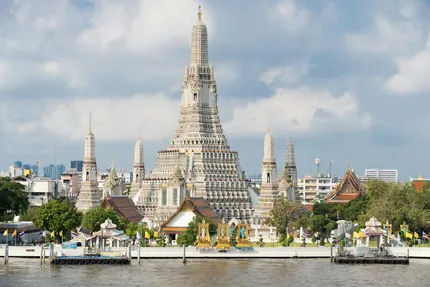
Wat Arun (Temple of Dawn)
Wat Arun stands on the west bank of the Chao Phraya River and is one of Bangkok's most recognizable landmarks. Named after the Hindu god of dawn, Aruna, the temple features a towering central prang decorated with colorful porcelain tiles and seashells. Visitors can climb the steep steps of the prang for views over the river and surrounding area. The temple is particularly striking at sunrise and sunset.
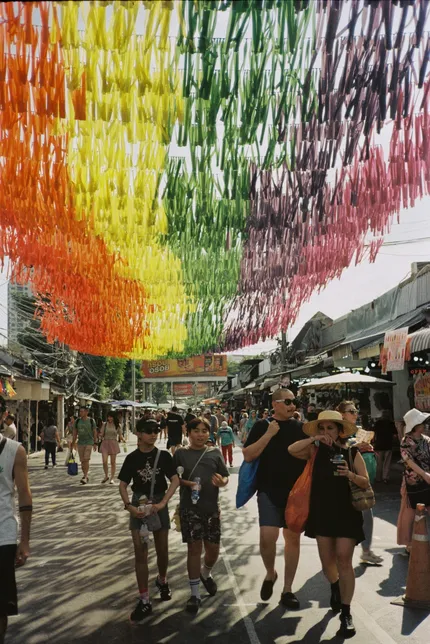
Chatuchak Weekend Market
Chatuchak Weekend Market is one of the world's largest markets, covering 35 acres with over 8,000 stalls. Open on Saturdays and Sundays, it sells virtually everything, from clothing and antiques to plants, pets, and street food. Located in northern Bangkok near the Mo Chit BTS station, it attracts around 200,000 visitors weekly. Arriving early helps avoid the midday heat and crowds.
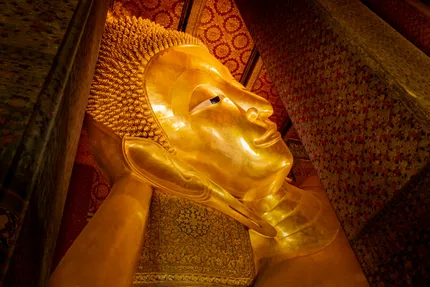
Wat Pho & The Reclining Buddha
Wat Pho is one of Bangkok's oldest and largest temple complexes, home to the famous Reclining Buddha, a gilded statue measuring 46 meters long and 15 meters high. The temple also houses over 1,000 Buddha images and is considered the birthplace of traditional Thai massage. A massage school and clinic operate on the grounds, making it a cultural and historical landmark worth visiting.
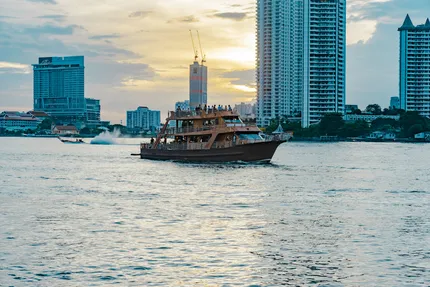
Chao Phraya River Boat Trip
The Chao Phraya River is Bangkok's main waterway and an efficient way to explore the city. Public express boats and tourist ferries connect key landmarks including Wat Pho, Wat Arun, the Grand Palace, and Asiatique. The journey offers views of temples, traditional wooden houses, and modern skyline. Boats run frequently throughout the day, making river transport both practical and scenic for visitors.
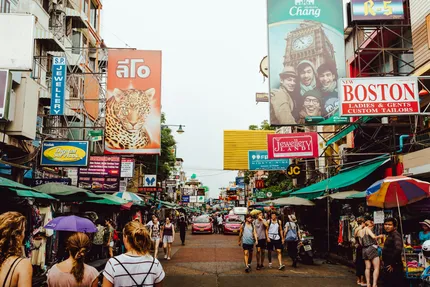
Khao San Road
Khao San Road is Bangkok's famous backpacker hub, known for its lively street atmosphere, budget guesthouses, bars, and restaurants. The street buzzes day and night with street food vendors, live music, and souvenir stalls. Popular among budget travelers and party-goers, it offers everything from cheap Thai food to affordable clothing and trinkets. The surrounding area has quieter cafes and cultural attractions worth exploring.
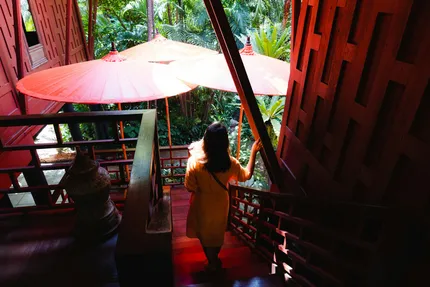
Jim Thompson House
The Jim Thompson House is a complex of six traditional Thai houses built in the 1950s and 60s by American businessman Jim Thompson, who revived Thailand's silk industry. Set along Khlong Maha Nakhon canal, the beautifully preserved interiors showcase his impressive collection of Asian art and antiques. Thompson mysteriously disappeared in Malaysia in 1967, adding an intriguing layer to this popular Bangkok attraction.
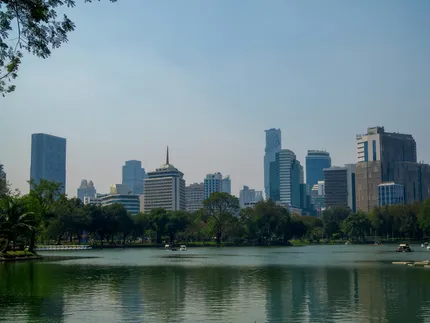
Lumphini Park
Lumpini Park is Bangkok's largest and most popular public park, covering 142 acres in the city center. Named after Buddha's birthplace in Nepal, it offers a green escape from the urban bustle with walking and cycling paths, paddle boats, an outdoor gym, and a lake. Early mornings bring locals practicing tai chi, jogging, and aerobics. Monitor lizards are commonly spotted near the water.
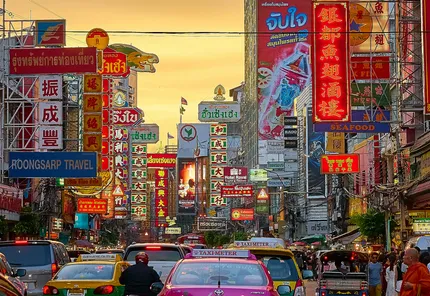
Yaowarat (Chinatown)
Yaowarat is Bangkok's bustling Chinatown district, stretching along a main road lined with gold shops, Chinese temples, and herbalist stores. At night it transforms into one of the city's best street food destinations, with vendors serving seafood, dim sum, and traditional Chinese-Thai dishes. The area has been a commercial hub since the late 18th century and remains a vibrant part of Bangkok's cultural identity.
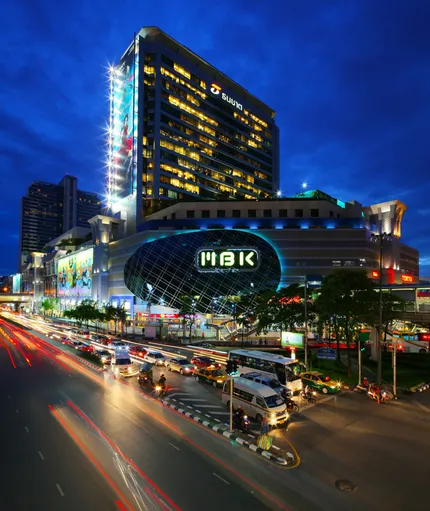
MBK Center & Siam Shopping District
Bangkok is one of Asia's premier shopping destinations. The Siam area clusters several major malls including Siam Paragon, CentralWorld, and the budget-friendly MBK Center. MBK is known for electronics, mobile phones, and fashion at negotiable prices. The entire district is connected by elevated walkways, making it easy to move between malls while avoiding street-level heat and traffic.
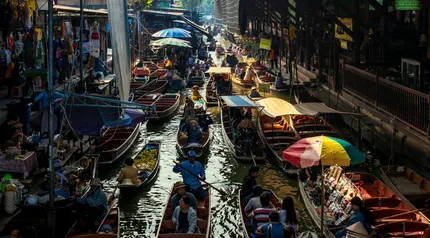
Damnoen Saduak Floating Market
Located about 100 km southwest of Bangkok, Damnoen Saduak is Thailand's most famous floating market. Vendors in traditional wooden boats sell fresh fruits, vegetables, Thai street food, and souvenirs along the narrow canals. Best visited early morning to beat the crowds. While undeniably touristy, it remains a colorful and lively experience offering a glimpse into traditional Thai canal trading culture.
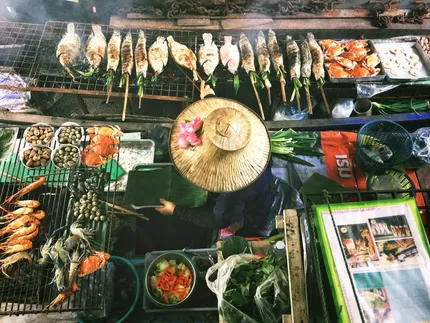
Street Food Tours
Bangkok's street food scene is among the best in the world, and guided tours offer a structured way to explore it. Tours typically cover neighborhoods like Yaowarat (Chinatown) or Silom, with stops for dishes like pad thai, som tam, grilled skewers, and mango sticky rice. A knowledgeable guide explains ingredients and cooking techniques while helping visitors navigate busy markets and food stalls with confidence.
Who should visit Bangkok
Bangkok is an excellent destination for food-focused travelers. The sheer variety and quality of Thai cuisine available on the streets, in markets, and in restaurants ranging from humble shophouses to Michelin-starred establishments makes it one of the world's top cities for culinary exploration. Cooking classes are widely available and give visitors a hands-on connection to Thai gastronomy. History and culture enthusiasts will find a rich itinerary in Bangkok's temples, palaces, and museums. Wat Arun, Wat Pho with its massive reclining Buddha, and the National Museum offer substantial content for those interested in Thai Buddhism, royal history, and traditional art. Budget travelers are well catered to, with affordable guesthouses, cheap street food, and low-cost river ferry transport making the city very accessible.
Shoppers will enjoy the range of options, from the enormous Chatuchak Weekend Market, which specializes in antiques, clothing, and crafts, to the air-conditioned luxury of riverside malls. Nightlife seekers will find Bangkok rewarding, with rooftop bars offering skyline views, jazz bars in quieter neighborhoods, and well-established entertainment districts. Solo travelers generally find the city easy to navigate and socially open.

Best time to visit Bangkok
The best time to visit Bangkok is between November and early February. During these months, temperatures are more bearable, hovering around 25 to 32 degrees Celsius, and rainfall is minimal. This is peak tourist season, so expect larger crowds at major attractions and higher accommodation prices. March through May brings intense heat that can exceed 40 degrees Celsius and can be physically draining. The monsoon season from June to October brings heavy rain and high humidity, though showers are often short and concentrated in the afternoon.
Three top reasons for a city trip to Bangkok
- Bangkok's ornate temples, including Wat Phra Kaew and Wat Arun, offer stunning royal architecture and deep cultural insight into Thai Buddhism, all accessible within the historic city center.
- The city's street food scene, from Yaowarat Road's Chinatown to Silom's night markets, delivers exceptional Thai dishes like pad thai, mango sticky rice, and boat noodles at low prices.
- Bangkok offers world-class rooftop bars, the Chao Phraya riverside, luxury malls like ICONSIAM, and vibrant nightlife districts like Khao San Road, creating a dynamic contrast of experiences.
Bangkok has an extensive public transport network that makes getting around relatively straightforward. The BTS Skytrain and MRT subway cover many key areas including shopping districts, business hubs, and tourist attractions. The Airport Rail Link connects Suvarnabhumi Airport to the city center. River ferries and canal boats offer a scenic and efficient way to travel along the Chao Phraya River and its tributaries. Tuk-tuks and motorbike taxis are useful for short distances in busy areas. Metered taxis are affordable and widely available, though traffic congestion can make journeys slow, especially during rush hours. Ride-hailing apps like Grab are reliable and often more convenient than hailing a cab. Walking between attractions is possible in some neighborhoods but the heat, humidity, and lack of continuous pavements in many areas can make it challenging. A car rental is generally not recommended due to heavy traffic and limited parking.
This content was created with AI assistance and may contain inaccuracies.