
2 days in Zurich
SwitzerlandDay #1
Old Town exploration, lake views, and Swiss culture
08:00
Breakfast at Café Sprüngli on Bahnhofstrasse
09:30
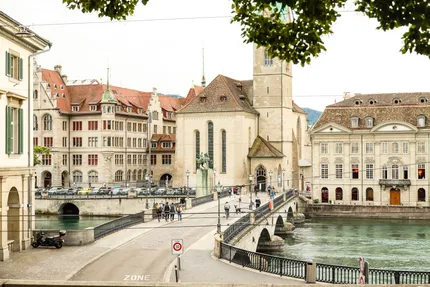
Explore Altstadt (Old Town) - walk through medieval streets
Zurich's Altstadt spans both sides of the Limmat River and contains some of the city's oldest architecture. Wander narrow cobblestone lanes past Romanesque and Gothic churches, guild houses, and centuries-old buildings. Key landmarks include the Grossmunster cathedral, Fraumunster church with its Chagall windows, and St. Peter's Church with Europe's largest clock face. The area also holds boutique shops, cafes, and historical fountains.
10:30
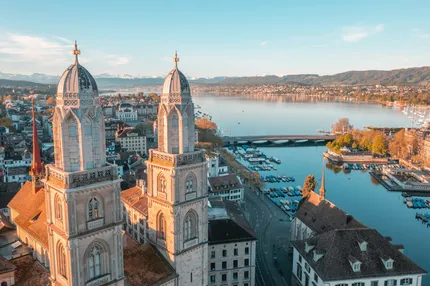
Visit Grossmünster Cathedral
The Grossmünster is a Romanesque Protestant church and one of Zurich's most recognizable landmarks. Construction began in the 12th century, and the twin towers dominate the city's skyline. The church played a central role in the Swiss Reformation under Ulrich Zwingli in the 16th century. Visitors can climb the Karlsturm tower for panoramic views over the old town and Lake Zurich.
11:30
Explore Fraumünster Church and its Chagall stained glass windows
The Fraumünster is a medieval church on the west bank of the Limmat River, dating to the 9th century. Its most celebrated feature is a set of five stained glass windows created by Marc Chagall in 1970, depicting biblical scenes in vivid blues, greens, and reds. A sixth rose window was designed by Augusto Giacometti. The church is one of Zurich's most visited landmarks.
12:30
Lunch at a traditional Swiss restaurant in Old Town
Old Town Zurich offers several traditional Swiss restaurants serving classic dishes like fondue, raclette, rösti, and Zürcher Geschnetzeltes, a local specialty of sliced veal in cream sauce. The cobblestone streets and medieval buildings create an authentic atmosphere. Restaurants like Zeughauskeller, housed in a 15th-century arsenal, or Kronenhalle are popular choices for experiencing genuine Swiss cuisine in a historic setting.
14:00
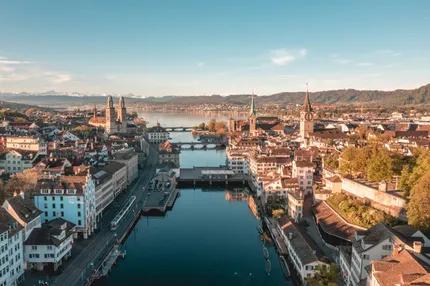
Stroll along the Limmat River promenade
The Limmat River flows through the heart of Zurich, and its promenade offers a pleasant walk past historic guild houses, church spires, and the old town. The path connects key landmarks including Grossmünster and Fraumünster churches. Outdoor seating at cafes and bars lines the riverbanks, especially lively in summer. The promenade runs from the lake through the city center, making it ideal for leisurely exploration.
15:00
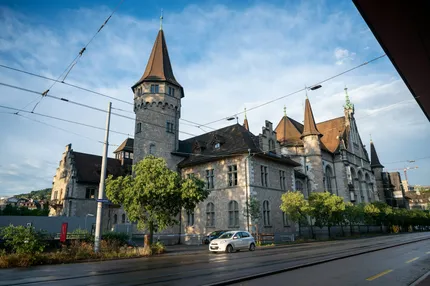
Visit the Swiss National Museum (Landesmuseum)
The Swiss National Museum, located next to Zurich's main train station, is Switzerland's largest cultural history museum. Housed in a striking neo-Gothic building dating from 1898, it holds an extensive collection spanning prehistoric artifacts, medieval art, decorative objects, and exhibits tracing Swiss history and identity from ancient times to the present. The permanent and rotating exhibitions offer a thorough introduction to Swiss culture and heritage.
17:00
Walk along Bahnhofstrasse for shopping and sightseeing
Bahnhofstrasse is one of the world's most famous shopping streets, stretching about 1.4 kilometers from Zurich's main train station to Lake Zurich. It's lined with luxury boutiques, department stores like Jelmoli and Globus, and high-end jewelers. The street is pedestrian-friendly and also offers views of trams gliding past elegant buildings. It connects the city center to the scenic lakefront, making it ideal for both shopping and leisurely walks.
18:30
Sunset walk along Lake Zurich (Zürichsee)
A walk along the shores of Lake Zurich at sunset is one of the city's simple pleasures. The lakeside promenade stretches several kilometers, offering views of the water, the Alps on clear days, and the city skyline. Benches and grassy areas invite you to pause and watch the colors shift. The path is popular with locals jogging, cycling, or simply unwinding after work.
20:00
Dinner at a lakeside restaurant in Zürichhorn area
The Zürichhorn area on the eastern shore of Lake Zurich offers a relaxed lakeside dining experience. Several restaurants here provide outdoor terraces with views over the water, making them popular in warmer months. The surrounding park is pleasant for an evening stroll before or after dinner. Expect classic Swiss and international cuisine, with the calm lake setting creating a comfortable atmosphere for an unhurried meal.
Day #2
Art, hilltop views, local markets, and vibrant nightlife
08:00
Breakfast at a local bakery in the Langstrasse district
09:30
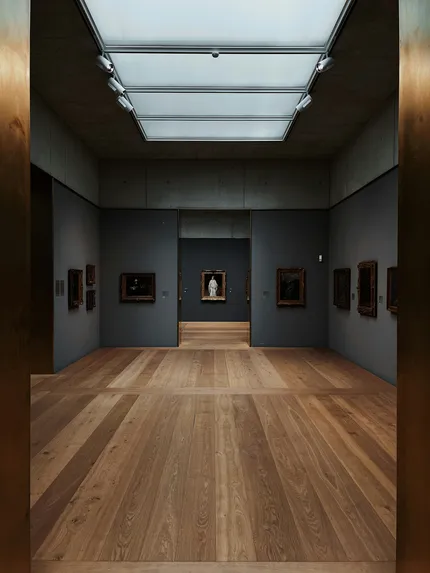
Visit Kunsthaus Zürich (Fine Arts Museum)
The Kunsthaus Zürich is one of Switzerland's premier art museums, housing an extensive collection spanning medieval works to contemporary art. Its holdings include significant pieces by Alberto Giacometti, Edvard Munch, and Claude Monet, among others. A major extension opened in 2021, making it the largest art museum in Switzerland. The museum sits near Bellevue and is easily accessible from the city center.
11:30
Take the Polybahn funicular up to ETH Zürich for panoramic city views
The Polybahn is a short funicular railway connecting Central square to the ETH Zürich campus on Polyterrasse hill. The ride takes under two minutes and delivers you to one of the best free viewpoints in the city. From the terrace outside ETH, you get sweeping panoramic views across Zurich's rooftops, the lake, and on clear days, the Alps in the distance.
12:30
Lunch at the ETH Zürich Mensa or nearby café with a view
14:00
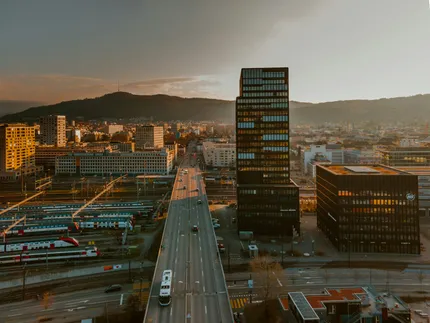
Explore the trendy Zurich West district (Kreis 5)
Zurich West, or Kreis 5, is a former industrial district transformed into one of the city's most vibrant neighborhoods. Old factory buildings now house creative agencies, galleries, restaurants, and clubs. Key landmarks include the Schiffbau cultural center, the Frau Gerolds Garten outdoor bar, and the Prime Tower. The area is particularly lively in the evenings, drawing locals and visitors to its bars and nightlife venues.
15:00
Visit the Zurich Zoo in Zürichberg
The Zurich Zoo, located on the Zürichberg hill, is home to over 380 species and roughly 4,000 animals. Highlights include the Masoala Rainforest Hall, a large tropical greenhouse replicating a Madagascar ecosystem, and the Kaeng Krachan Elephant Park. The zoo focuses on conservation and education, making it a rewarding visit for families and wildlife enthusiasts. It is easily reached by tram from the city center.
17:00
Browse the Bürkliplatz flea market or lakeside promenade
The Bürkliplatz flea market runs every Saturday from May to October along Lake Zurich, offering a browse through vintage clothing, antiques, books, and curiosities. The adjacent lakeside promenade provides a pleasant walk with views across the water toward the Alps. The area is one of Zurich's most popular gathering spots, combining leisurely shopping with the natural scenery of the lake and surrounding hills.
18:30
Aperitif at a rooftop bar in Zurich West
20:00
Dinner at a modern Swiss fusion restaurant in Langstrasse
Langstrasse is Zurich's most vibrant nightlife and dining district, known for its multicultural energy and creative restaurant scene. Modern Swiss fusion restaurants here typically combine traditional Swiss ingredients like alpine cheese, game, and seasonal produce with contemporary techniques and global influences. The neighborhood has shed its edgy past reputation and now draws food lovers seeking inventive cuisine in relaxed, unpretentious surroundings at relatively reasonable prices by Zurich standards.
22:00
Evening drinks or live music in the Langstrasse nightlife area
Langstrasse is Zurich's most vibrant nightlife district, offering a dense concentration of bars, clubs, and live music venues. The area has a gritty, unpretentious character compared to the rest of the city. You will find everything from laid-back cocktail bars and craft beer spots to clubs playing electronic music. The neighborhood comes alive after dark, making it the go-to destination for locals and visitors seeking a lively evening out.