
3 days in Liverpool
United KingdomDay #1
Waterfront icons, museums, and city centre evening
08:30
Breakfast at Bold Street (cafés and bakeries)
09:30
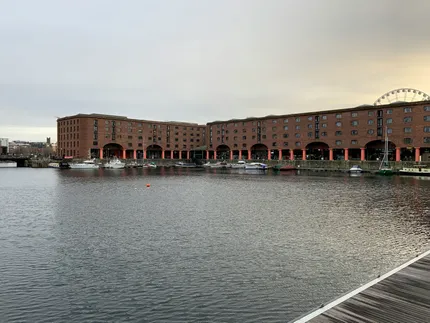
Walk to the Royal Albert Dock and waterfront photos
Royal Albert Dock is a restored 19th-century dock complex on Liverpool’s waterfront, known for its brick warehouses, waterside walkways, and views across the Mersey. It’s a popular spot for photos of the dock basins, historic architecture, and nearby skyline. The area also hosts museums, galleries, shops, and restaurants.
10:00
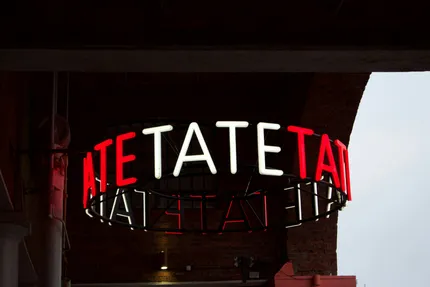
Visit Tate Liverpool (modern and contemporary art)
Tate Liverpool is a major gallery for modern and contemporary art on the Royal Albert Dock. It presents changing exhibitions from the Tate collection and international loans, alongside talks and family activities. The waterfront location makes it easy to combine with nearby museums, shops, and restaurants. Check opening times and ticketing, as some exhibitions may be paid.
11:30
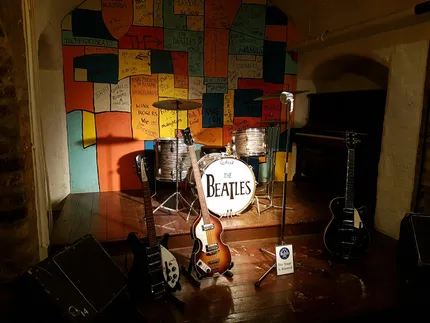
Explore The Beatles Story at Albert Dock
The Beatles Story at Liverpool’s Albert Dock is a museum dedicated to the band’s history and cultural impact. It features exhibits on their early years, rise to fame, and later careers, with memorabilia, photos, and recreated settings. An audio guide is typically included, and the waterfront location makes it easy to combine with nearby dock attractions.
13:00
Lunch at Albert Dock (waterside restaurants)
14:15
Mersey Ferry River Explorer cruise from Pier Head
The Mersey Ferry River Explorer cruise departs from Pier Head on Liverpool’s waterfront and offers a circular trip on the River Mersey. It provides views of the city skyline and the UNESCO-listed waterfront area around the Three Graces. Onboard commentary covers Liverpool’s maritime history and landmarks. Check seasonal timetables and ticket options before visiting.
15:30
See the Three Graces at Pier Head (Liver Building, Cunard, Port of Liverpool)
At Liverpool’s Pier Head on the UNESCO-listed waterfront, the “Three Graces” are three landmark early-20th-century buildings: the Royal Liver Building (1911), the Cunard Building (1917), and the Port of Liverpool Building (1907). They symbolize the city’s maritime and commercial history. The area is walkable, with river views and nearby museums and ferries.
16:15
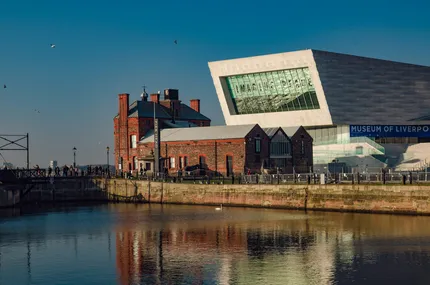
Museum of Liverpool (city history and culture)
The Museum of Liverpool explores the city’s social history, culture, and global connections. Located on the Pier Head waterfront, it covers themes such as Liverpool’s port and maritime past, migration, music and sport, and everyday life. Exhibits include interactive displays and changing temporary shows. Entry is free, with accessible facilities and family-friendly galleries.
18:00
Dinner at Castle Street (classic Liverpool dining spots)
Castle Street is one of Liverpool’s main dining areas, lined with historic commercial buildings and a mix of long‑standing restaurants, pubs, and newer bars. It’s a convenient choice for dinner in the city centre, close to the Town Hall and the waterfront. Expect varied menus, from British classics to international options, with lively evening atmosphere.
19:45
Evening drinks and live music around Mathew Street
Mathew Street in Liverpool’s Cavern Quarter is a popular area for evening drinks and live music, with many bars and small venues close together. It’s strongly associated with The Beatles and the Cavern Club, which hosts regular live performances. Expect a lively nightlife atmosphere, especially on weekends, and easy access from Liverpool Lime Street station.
Day #2
Beatles heritage, cathedrals, and Georgian Quarter
08:30
Breakfast near Liverpool ONE
Liverpool ONE is a central shopping and dining area, so it’s a convenient base for breakfast before exploring the waterfront or city centre. Nearby options typically include cafés and casual restaurants serving coffee, pastries, full English breakfasts, and lighter choices. It’s a short walk from Albert Dock and Liverpool Lime Street, making it easy to fit into morning plans.
09:30
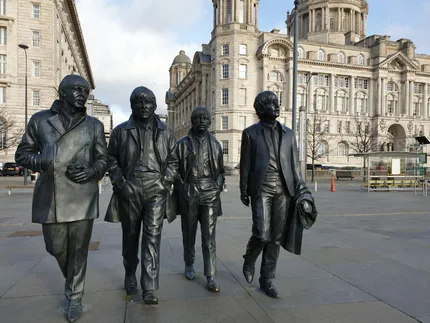
Beatles taxi tour: Penny Lane and Strawberry Field
A Beatles taxi tour in Liverpool typically visits key locations linked to the band’s early life and songs, including Penny Lane in the south of the city and Strawberry Field near Woolton. Tours are usually led by local drivers who provide context on Beatles history and nearby landmarks, with photo stops and short walks depending on the itinerary.
11:00
Visit Strawberry Field exhibition and gardens
Strawberry Field in Liverpool is a visitor attraction linked to John Lennon’s childhood and the Salvation Army. The site includes an exhibition about Lennon’s early life and the area’s history, plus landscaped gardens and a café. It is located near the former children’s home that inspired the Beatles song “Strawberry Fields Forever.”
12:15
Tour the childhood homes: Mendips and 20 Forthlin Road (pre-booked)
In Liverpool, you can pre-book a guided visit to The Beatles’ childhood homes: Mendips (John Lennon’s home in Woolton) and 20 Forthlin Road (Paul McCartney’s home in Allerton). Tours are typically run by National Trust and include transport between the two houses. Expect period rooms, family photos, and stories about their early lives and songwriting.
13:45
Lunch in Allerton or around Lark Lane
15:00
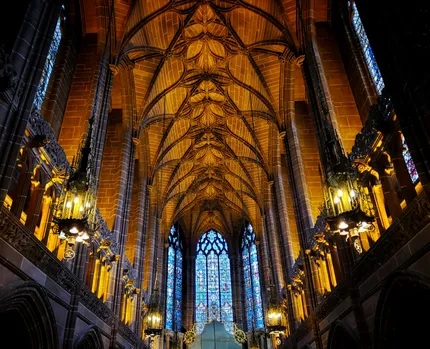
Liverpool Cathedral: interior and tower views
Liverpool Cathedral (Cathedral Church of Christ in Liverpool) is a major Anglican cathedral known for its vast Gothic Revival interior, stained glass, and prominent central space. Visitors can explore the nave and chapels, and take a lift to the tower for panoramic views over Liverpool and the River Mersey. Check opening times and ticketing for tower access.
16:15
Walk through Hope Street and the Georgian Quarter
Hope Street links Liverpool’s Anglican Cathedral and the Metropolitan Cathedral, passing theatres, restaurants, and cultural venues. Nearby, the Georgian Quarter features late 18th- and early 19th-century streets with Georgian townhouses, including areas around Rodney Street and Falkner Square. It’s a good area for architecture, independent cafés, and a quieter walk close to the city centre.
17:00
Metropolitan Cathedral visit (modern architecture)
Liverpool Metropolitan Cathedral (Cathedral of Christ the King) is a major example of post-war modernist architecture, designed by Sir Frederick Gibberd and completed in 1967. The circular plan, lantern-like tower, and stained-glass “crown” are key features. Visitors can explore the nave, chapels, and crypt, and often find exhibitions or concerts. Check opening times and services.
18:30
Dinner on Hope Street (bistros and pubs)
20:00
Evening show or concert at Philharmonic Hall / Everyman Theatre
Liverpool offers evening performances at two major venues. Liverpool Philharmonic Hall hosts classical concerts, contemporary music, and touring artists, and is home to the Royal Liverpool Philharmonic Orchestra. Everyman Theatre presents plays, new writing, and occasional live events in an intimate setting. Both are centrally located and typically require advance booking, especially on weekends.
Day #3
Parks, football culture, and creative neighbourhoods
08:30
Breakfast and coffee on Lark Lane
09:30
Sefton Park stroll and Palm House visit
Sefton Park is a large Victorian public park in south Liverpool, popular for relaxed walks around its lake, lawns, and tree-lined paths. Inside the park, the Sefton Park Palm House is a restored 19th-century glasshouse with tropical and subtropical plants, seasonal displays, and a café. It’s an easy, low-cost visit by public transport.
11:00
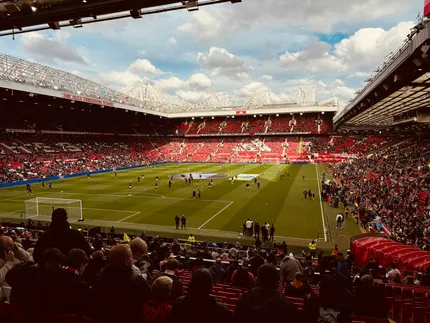
Head to Anfield or Goodison Park for a stadium tour (choose one)
Take a guided stadium tour at Anfield, home of Liverpool FC. Tours typically include the Main Stand, press room, players’ tunnel, pitchside areas, and the home dressing room, plus the club museum. Audio guides are often available. Check schedules in advance, as tours can be limited or rescheduled on matchdays and event days.
13:00
Lunch near the stadium or back in the city centre
14:30
Explore the Baltic Triangle (street art and independent shops)
Liverpool’s Baltic Triangle is a former warehouse district south of the city centre, known for large-scale murals, graffiti, and creative venues. It’s a good area to walk and spot street art on building facades and side streets. Independent shops, studios, and small markets operate here, alongside cafés and bars, especially around Jamaica Street and nearby lanes.
16:00
Coffee break at a Baltic Triangle roastery
16:45
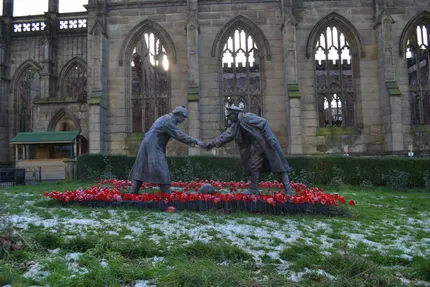
Visit the Bombed Out Church (St Luke’s) and surroundings
St Luke’s, known as the Bombed Out Church, is a roofless 19th‑century Anglican church left as a memorial after heavy bombing in 1941. It now hosts occasional exhibitions and events, with open-air views of its preserved walls and tower. The surrounding area includes gardens, nearby cafés, and easy walks to Bold Street and the Anglican Cathedral.
18:15
Dinner at Duke Street Market (food hall) or nearby restaurants
Duke Street Market is a food hall in central Liverpool, near the Baltic Triangle, with multiple independent vendors serving different cuisines and a shared seating area. It’s suited to groups with varied tastes and offers casual dining with bar options. If it’s busy, nearby Duke Street and Bold Street have many restaurants and cafés within walking distance.
20:00
Evening at the Cavern Club or waterfront night walk
Spend an evening at Liverpool’s Cavern Club, a historic live-music venue on Mathew Street closely associated with the early Beatles and the city’s rock scene. Alternatively, take a waterfront night walk along the Royal Albert Dock and Pier Head to see illuminated landmarks, riverside views, and museums from the outside in a relaxed, well-lit area.