
2 days in Liverpool
United KingdomDay #1
Waterfront icons, Beatles history, and city centre
08:30
Breakfast at Bold Street (cafés and bakeries)
09:30
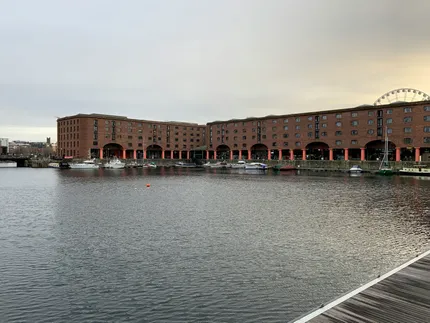
Walk to the Royal Albert Dock and explore the waterfront
Royal Albert Dock is a historic waterfront complex in Liverpool’s docklands, known for restored 19th-century warehouses, waterside walkways, and views across the River Mersey. It’s a good area for a stroll, with museums and galleries nearby, plus shops, cafés, and restaurants. The dock is close to the city centre and well connected on foot.
10:00
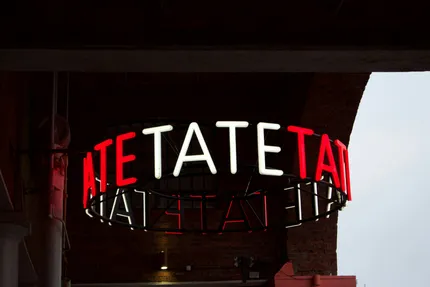
Visit Tate Liverpool (modern and contemporary art)
Tate Liverpool is a major gallery for modern and contemporary art on the Royal Albert Dock. It presents changing exhibitions from the Tate collection and international loans, often featuring artists from the 20th century to today. The building is step-free in many areas, with cafés and shops nearby on the waterfront.
11:30
Merseyside Maritime Museum at Albert Dock
Merseyside Maritime Museum at Albert Dock explores Liverpool’s maritime history and its global connections. Exhibits cover the port’s role in trade and migration, the city’s links to the transatlantic slave trade, and life at sea. The museum is part of National Museums Liverpool and sits in the historic dock complex, close to other waterfront attractions.
13:00
Lunch at Albert Dock (dockside restaurants)
14:15
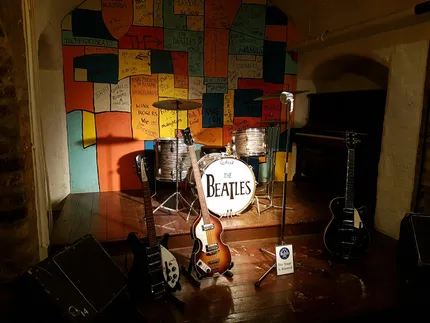
The Beatles Story museum experience
The Beatles Story is a dedicated museum on Liverpool’s waterfront (Albert Dock) exploring the band’s history and Liverpool roots. Exhibits include recreated spaces like the Cavern Club, memorabilia, photos, and interactive displays, with an audio guide available in multiple languages. Allow around 1–2 hours. It’s suitable for families and fans, with a shop and café on site.
15:45
Walk Pier Head: Three Graces and waterfront photos
Pier Head on Liverpool’s waterfront is a prime spot to see the “Three Graces”: the Royal Liver Building, Cunard Building, and Port of Liverpool Building. The area offers clear views across the River Mersey and is popular for photographing the skyline, ferries, and dockside details. It sits within the UNESCO-listed Liverpool Maritime Mercantile City area.
16:30
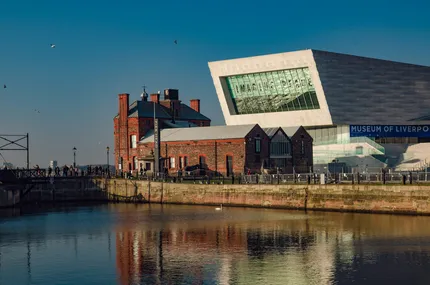
Museum of Liverpool (city history and culture)
The Museum of Liverpool explores the city’s social history, culture, and global connections. Located on the Royal Albert Dock waterfront at Pier Head, it covers topics such as Liverpool’s maritime past, migration, music and sport, and everyday life. Exhibitions combine objects, photographs, and interactive displays. Entry is free, with temporary exhibitions and family-friendly galleries.
18:00
Dinner in Castle Street area (classic Liverpool dining)
Castle Street is a central Liverpool dining area known for historic architecture and a dense cluster of restaurants and bars. It’s a popular choice for a classic city-centre dinner, with options ranging from modern British and European menus to steakhouses and casual spots. The street is walkable from the waterfront and nearby shopping areas, and gets busy on weekends.
19:45
Evening drinks and live music at the Cavern Club
21:30
Stroll around Liverpool ONE and the waterfront at night
Liverpool ONE is a large open-air shopping and dining district in the city centre, close to the Albert Dock and the River Mersey. At night, you can walk through its lit streets and public spaces, then continue to the waterfront for views of the Three Graces and the illuminated docks. Expect restaurants, bars, and frequent evening foot traffic.
Day #2
Cathedrals, parks, museums, and a football option
08:30
Breakfast in the Baltic Triangle (coffee and brunch spots)
09:30
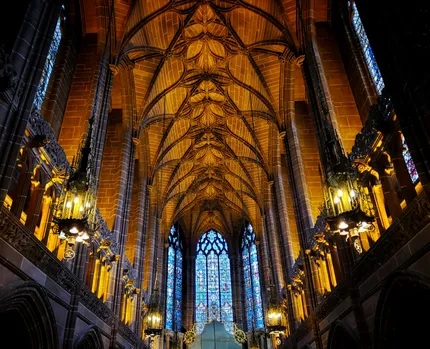
Visit Liverpool Cathedral and climb the tower (if open)
Liverpool Cathedral is the UK’s largest cathedral and a major example of 20th‑century Gothic Revival architecture by Giles Gilbert Scott. Visitors can explore the vast nave, chapels, and stained glass, and often attend exhibitions or services. If the tower is open, you can climb for panoramic views over Liverpool, the River Mersey, and beyond.
10:45
Walk to the Metropolitan Cathedral and admire the interior
Liverpool Metropolitan Cathedral (Christ the King) is a major Roman Catholic cathedral near Lime Street. The walk takes you to its distinctive circular building and large stained-glass lantern. Inside, you can admire modernist architecture, chapels around the nave, and notable artworks including the Blessed Sacrament Chapel. Check opening times, as services and events can affect access.
12:00
Lunch on Hope Street (between the two cathedrals)
13:15
Walker Art Gallery (Pre-Raphaelites and classics)
Liverpool’s Walker Art Gallery, part of National Museums Liverpool, is known for major collections of Victorian art, including notable Pre-Raphaelite paintings, alongside European “Old Master” works and British classics. Located near St George’s Hall, it offers free entry to its permanent displays, with rotating temporary exhibitions. Highlights often include works by Rossetti, Millais, and Holman Hunt.
14:30
World Museum Liverpool (natural history and space)
World Museum Liverpool, on William Brown Street near St George’s Hall, is a major free museum. Its Natural History galleries include extensive zoology collections and displays on biodiversity and evolution. The Space and Astronomy area features planetarium shows and exhibits on the Solar System and space exploration. The museum also includes an aquarium and rotating temporary exhibitions.
16:00
Sefton Park walk and Palm House visit
Sefton Park is a large Victorian public park in south Liverpool, popular for walking around its lake, lawns, and tree-lined paths. A key highlight is the Sefton Park Palm House, a restored glasshouse with tropical plants and seasonal displays. It often hosts community events and has a café nearby, making it an easy half-day visit.
18:00
Dinner in Lark Lane (independent restaurants and bars)
19:45
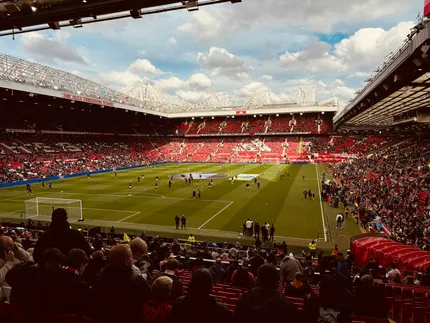
Optional: Stadium tour at Anfield or Goodison Park (check times)
Liverpool offers stadium tours at Anfield (Liverpool FC) and Goodison Park (Everton FC), typically including the stands, dressing rooms, tunnel, pitchside areas, and club museum or exhibits. Tour schedules vary by day and are restricted on matchdays and some event days. Check official club websites for current times, availability, and ticket options.
21:30
Evening pint at a traditional pub near the city centre
Liverpool’s city centre has many traditional pubs for an evening pint, especially around Dale Street, Castle Street, and the Ropewalks. Expect cask ales, lagers, and pub classics in historic interiors, often with local football on TV. Some venues host live music or quiz nights. Most are walkable from Lime Street and the waterfront.