
2 days in Gothenburg
SwedenDay #1
Canals, old town, seafood, and sunset views
08:30
Breakfast at a café in Haga (cinnamon bun + coffee)
09:30
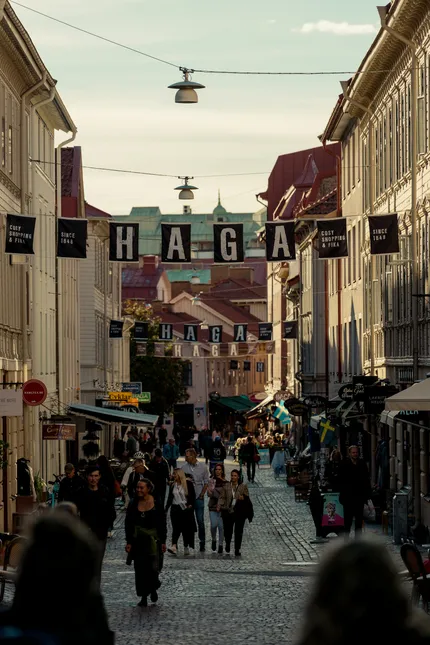
Stroll Haga Nygata and browse small boutiques
Haga Nygata is the main pedestrian street in Haga, one of Gothenburg’s oldest neighborhoods. A stroll here typically includes browsing small boutiques, design and craft shops, and stopping at cafés and bakeries. The street is known for its preserved 19th-century wooden buildings and a relaxed, walkable atmosphere close to the city center.
10:30
Walk to Skansen Kronan for city views
Skansen Kronan is a 17th-century hilltop fortress in the Haga area of Gothenburg. A short but steep walk up the paths and steps leads to viewpoints over the city center, Göta älv, and surrounding neighborhoods. It’s a popular spot for sunset and photos. The grounds are generally accessible year-round; check opening times for any interior access.
12:00
Lunch at Feskekôrka area (seafood-focused lunch)
Feskekôrka (“Fish Church”) is a well-known seafood market hall in central Gothenburg, near the canal. The surrounding area has seafood-focused restaurants and counters where you can have lunch featuring local fish and shellfish. It’s a convenient stop when exploring Haga or the city center, with options ranging from simple plates to full meals.
13:30
Canal boat tour from Kungsportsplatsen
Canal boat tours departing near Kungsportsplatsen offer a short, guided cruise through Gothenburg’s central canals. Routes typically pass landmarks such as the old moat, Vallgraven waterways, and areas around the Opera House and Lilla Bommen. Tours are usually seated, with live or recorded commentary, and run seasonally with varying schedules and ticket options.
15:00
Explore the city center: Avenyn and Kungsportsavenyen walk
Kungsportsavenyen (“Avenyn”) is Gothenburg’s main boulevard, running from Kungsportsplatsen to Götaplatsen. A walk here passes shops, cafés, and restaurants, with frequent tram traffic and lively street life. At the top end, Götaplatsen features the Gothenburg Museum of Art and the Poseidon statue, making it a common starting or finishing point.
16:00
Visit Gothenburg Museum of Art (Konstmuseet)
Gothenburg Museum of Art (Göteborgs konstmuseum) is a major art museum at Götaplatsen in central Gothenburg. Its collection focuses on Nordic art from the late 19th and early 20th centuries, alongside European works. Visitors can see paintings, sculpture, and temporary exhibitions, with highlights often including Swedish and Nordic modernists.
18:00
Dinner in Linnéområdet (Swedish bistro or modern Nordic)
Linnéområdet (around Linnégatan and Järntorget) is one of Gothenburg’s main dining districts, with many Swedish bistros and modern Nordic restaurants. Expect seasonal menus featuring local seafood, game, and vegetables, often paired with Swedish beer or aquavit. The area is walkable and lively in the evening; booking is recommended on weekends.
20:00
Evening walk in Slottsskogen park and relaxed drinks nearby
Slottsskogen is Gothenburg’s large central park, popular for evening walks on paved and gravel paths through lawns and wooded areas. You can pass viewpoints, ponds, and the park’s free animal enclosures (check closing times). Afterward, head to nearby Linné or Haga for relaxed drinks, with many casual bars and cafés within walking distance.
Day #2
Archipelago escape, markets, and cozy evening in town
08:00
Breakfast near Brunnsparken (quick café breakfast)
09:00
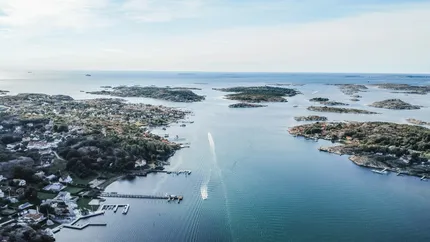
Tram to Saltholmen and ferry to the Southern Archipelago
From central Gothenburg, take tram 11 (and some departures of tram 9) to Saltholmen, the main ferry terminal for the Southern Archipelago. Västtrafik ferries connect to car-free islands such as Styrsö, Brännö, Vrångö, and Donsö. The trip is popular for walking, swimming, and coastal scenery; check timetables and ticket validity.
10:30
Explore Styrsö: coastal walk and village lanes
Styrsö is a car-free island in Gothenburg’s southern archipelago, reached by ferry from Saltholmen. A popular way to visit is a coastal walk linking small harbors, rocky shoreline viewpoints, and quiet village lanes with traditional wooden houses. Paths are generally easy and well-marked, with cafés and swimming spots in season.
12:30
Lunch on the islands (seafood soup or open sandwiches)
From Gothenburg, you can take ferries to nearby islands in the southern or northern archipelago and have lunch at local cafés and restaurants. Typical options include fish and seafood soup and open-faced sandwiches (smörgåsar) with shrimp or other seafood. Many places are seasonal, so opening hours and menus vary, especially outside summer.
14:00
Ferry hop to Vrångö for cliffs, viewpoints, and short hikes
From Gothenburg, take a Styrsöbolaget ferry from Saltholmen to Vrångö, the southernmost island in the archipelago. Vrångö has marked walking paths to coastal viewpoints, rocky shoreline, and small coves, with short hikes suitable for a half day. Check ferry timetables in advance and allow time for connections.
16:30
Return to Gothenburg and stop by Saluhallen for snacks
Gothenburg’s Saluhallen (market hall) is a central spot to pick up snacks and quick bites from small food counters and specialty shops. You’ll find Swedish and international options such as sandwiches, pastries, cheese, charcuterie, and coffee. It’s convenient for an easy stop near the city center, with indoor seating and takeaway choices.
18:30
Dinner in Magasinsgatan area (trendy restaurants and bars)
Magasinsgatan, in central Gothenburg near Domkyrkan and Kungsgatan, is a popular street for dinner and drinks. The area clusters modern Nordic restaurants, casual bistros, and cocktail and wine bars, often with a focus on local ingredients. It’s walkable and lively in the evening, with several venues close together for bar-hopping.
20:30
Evening fika/dessert and a final stroll along the canals
End the day with an evening fika—coffee or tea with a pastry—at a café in central Gothenburg, then take a relaxed walk along the city’s canals. Popular routes include the canal by Kungsportsavenyen toward Vallgraven and around the Haga and Linné areas. Expect calm waterfront views, bridges, and well-lit streets.