
2 days in Dubai
United Arab EmiratesDay #1
Explore Old Dubai, culture, and iconic landmarks
08:00
Breakfast at a local café in Deira
Deira, one of Dubai's oldest districts, is home to a variety of local cafes serving traditional Emirati and Middle Eastern breakfasts. Expect dishes like chebab (Emirati pancakes), ful medames (spiced fava beans), fresh bread with date syrup, and strong karak chai. The neighborhood has an authentic, unhurried atmosphere that contrasts with Dubai's modern developments, offering a genuine glimpse into everyday local life.
09:30
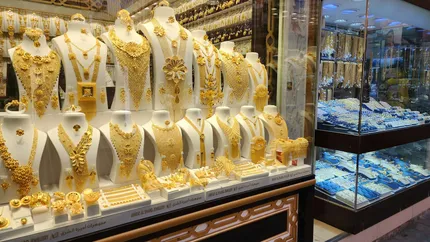
Visit the Gold Souk and Spice Souk
The Gold Souk in Deira is one of the world's largest gold markets, with hundreds of retailers selling jewelry across multiple categories. Nearby, the Spice Souk offers an aromatic sensory experience with stalls selling frankincense, saffron, dried fruits, and traditional herbs. Both souks are located close together in old Dubai, easily reached by abra water taxi across the Creek from Bur Dubai.
11:00
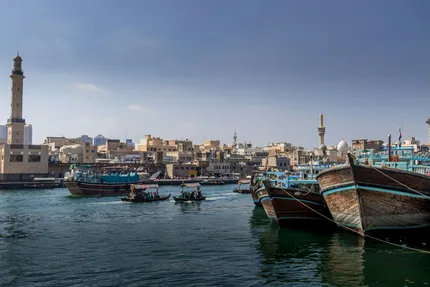
Take an Abra (water taxi) across Dubai Creek
An abra is a traditional wooden boat used to cross Dubai Creek, connecting the Deira and Bur Dubai districts. The short journey costs just one dirham and takes a few minutes, offering views of the historic waterfront, old trading houses, and bustling souks on both banks. It remains one of the most authentic and affordable experiences in Dubai, used daily by locals and tourists alike.
11:30
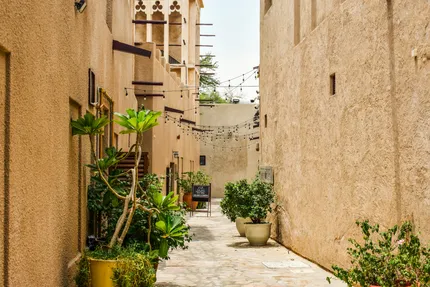
Explore Al Fahidi Historical Neighbourhood
Al Fahidi Historical Neighbourhood is one of Dubai's oldest surviving districts, dating back to the 1890s. Its narrow winding lanes are lined with traditional courtyard houses featuring distinctive wind towers, which served as early air conditioning. The area now houses art galleries, museums, cafes and the Dubai Museum. It offers a rare glimpse into pre-oil Dubai, contrasting sharply with the city's modern skyline nearby.
13:00
Lunch at Arabian Tea House Restaurant
The Arabian Tea House is one of Dubai's oldest restaurants, located in the Al Fahidi Historical Neighbourhood. It serves traditional Emirati and Middle Eastern cuisine in a charming courtyard setting. Dishes include stuffed vine leaves, mezze platters, karak chai, and traditional Emirati breakfasts. The relaxed, authentic atmosphere makes it a popular stop for visitors wanting a genuine taste of local culture and heritage.
14:30
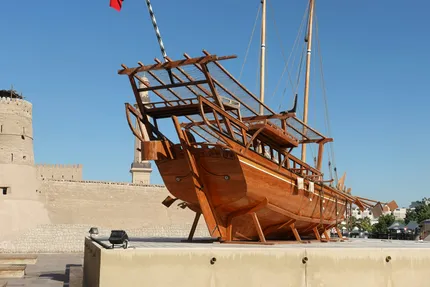
Visit Dubai Museum at Al Fahidi Fort
The Dubai Museum, housed in Al Fahidi Fort dating back to 1787, is the oldest existing building in Dubai. It offers a comprehensive look at traditional Emirati life, tracing the city's transformation from a small fishing village to a global metropolis. Exhibits include archaeological finds, dioramas of old Dubai, and displays of traditional crafts, weapons, and musical instruments. Admission is inexpensive, making it excellent value.
16:00
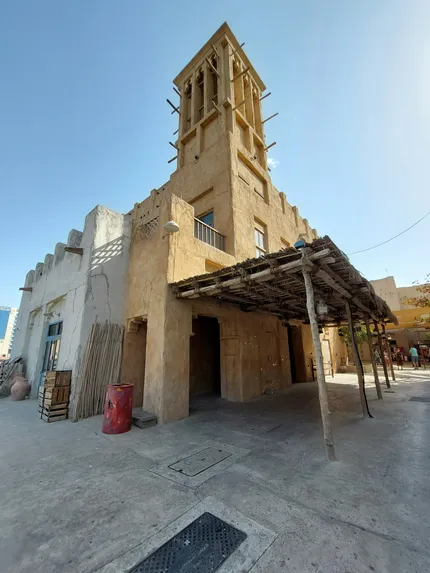
Explore the Bastakiya Quarter and art galleries
The Bastakiya Quarter, also known as Al Fahidi Historical Neighbourhood, is one of Dubai's oldest residential areas, dating to the late 19th century. Its narrow lanes are lined with traditional wind-tower architecture and courtyard houses, many converted into small museums, cafes, and art galleries. The area provides a quiet contrast to modern Dubai and offers insight into the city's pre-oil heritage and creative culture.
17:30
Head to Jumeirah Mosque for sunset views
The Jumeirah Mosque is one of Dubai's most iconic landmarks and one of the few mosques open to non-Muslim visitors. Built in Fatimid style with twin minarets, it is especially beautiful at sunset when warm light illuminates its white stone facade. The Sheikh Mohammed Centre for Cultural Understanding offers guided tours that provide insight into Islamic culture and traditions. Arrive early to secure a good viewing spot.
19:00
Dinner at a restaurant on the Dubai Creek waterfront
Dining along Dubai Creek offers a mix of traditional and contemporary restaurants overlooking the historic waterway. The area around Deira and Bur Dubai features established spots serving fresh seafood, Arabic cuisine, and international dishes. Watching wooden dhows drift past while eating adds a genuine sense of place. Many restaurants offer outdoor terrace seating, making evenings along the creek particularly enjoyable during the cooler months between October and April.
21:00
Evening stroll at Dubai Frame and night views
The Dubai Frame is a massive picture frame-shaped structure standing 150 meters tall in Zabeel Park. An evening visit offers stunning views of old and new Dubai from its glass-floored sky bridge. As night falls, the surrounding city lights up dramatically, making it an ideal spot to see the contrast between historic Deira and the glittering modern skyline of Downtown Dubai.
Day #2
Modern Dubai, Burj Khalifa, and desert adventure
08:00

Breakfast at the Dubai Mall food court
The Dubai Mall food court offers a wide range of breakfast options, from local Emirati dishes to international cuisines. Located within one of the world's largest shopping malls, the food court hosts numerous vendors serving everything from traditional Arabic breakfast spreads to Western-style options. It is a convenient and affordable choice for early morning dining before exploring the mall's many attractions.
09:30
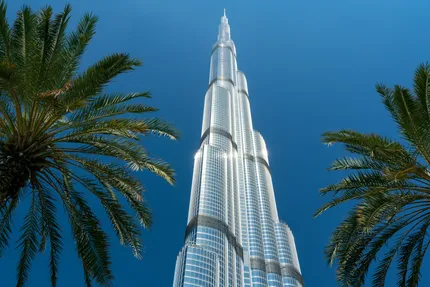
Visit Burj Khalifa observation deck (At the Top)
The Burj Khalifa stands at 828 meters, making it the world's tallest building. The At the Top observation deck on level 124 offers panoramic views of Dubai's skyline, the desert, and the Arabian Gulf. A higher SKY level at 148 floors is also available. Tickets should be booked in advance, as the experience is popular. The best views are at sunset or after dark.
11:00
Explore the Dubai Mall and Dubai Aquarium
The Dubai Mall is one of the world's largest shopping centers, housing over 1,200 retail outlets, restaurants, and entertainment options. Within the mall, the Dubai Aquarium and Underwater Zoo features a massive 10-million-liter tank home to thousands of aquatic animals, including sharks and rays. Visitors can walk through a transparent tunnel, go cage snorkeling, or take glass-bottom boat rides for an immersive experience.
13:00
Lunch at a restaurant overlooking the Dubai Fountain
Dining at a restaurant overlooking the Dubai Fountain combines great food with one of the city's most impressive spectacles. Located at the base of the Burj Khalifa in Downtown Dubai, the fountain performs choreographed water and light shows set to music every 30 minutes in the evening. Several restaurants along the Dubai Mall boardwalk offer lakeside terraces with direct views of the fountain display.
14:30
Visit the Dubai Fountain show at the lakeside
The Dubai Fountain is the world's largest choreographed fountain system, situated on the 30-acre Burj Khalifa Lake in Downtown Dubai. Jets shoot water up to 150 metres high, accompanied by a rotating playlist of Arabic, Hindi and classical songs. Free shows run every 30 minutes from 6pm to 11pm on weekdays and from 1:30pm on weekends. Viewing is best from the lakeside boardwalk or nearby bridges.
16:00
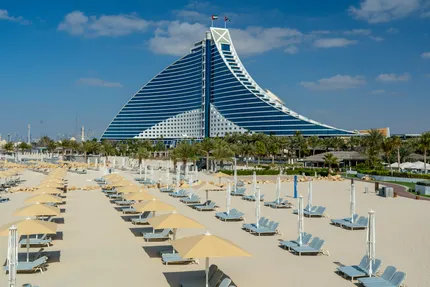
Head to Jumeirah Beach for relaxation and a swim
Jumeirah Beach is one of Dubai's most popular public beaches, stretching along the coastline with views of the Arabian Gulf. The water is warm and generally calm, making it suitable for swimming. The beach is well-maintained with facilities including showers, changing rooms, and nearby cafes. The iconic Burj Al Arab hotel provides a striking backdrop. It tends to be quieter on weekday mornings.
17:30
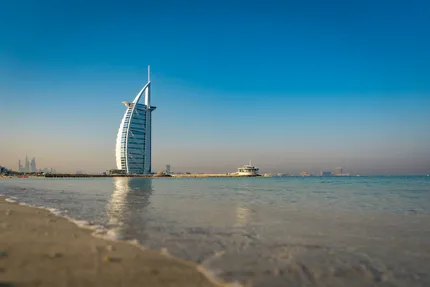
Visit Burj Al Arab exterior and surroundings
The Burj Al Arab is one of Dubai's most iconic landmarks, rising 321 meters above the Arabian Gulf on an artificial island. Its distinctive sail-shaped silhouette is instantly recognizable worldwide. Visitors can walk along Jumeirah Beach Road to admire its exterior and explore the surrounding waterfront area. The nearby Jumeirah Beach is a great spot to take photos and enjoy views of the structure.
19:00
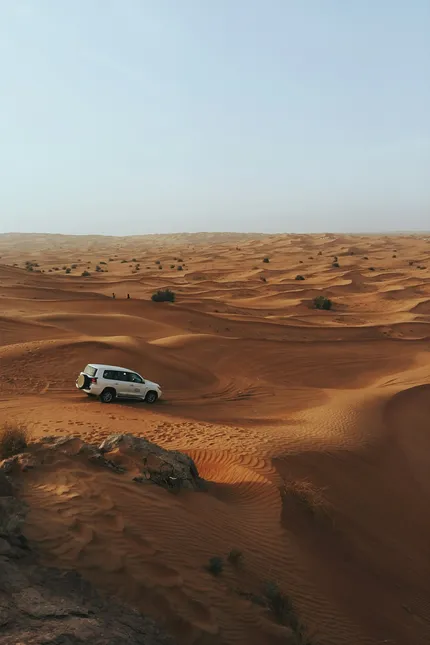
Depart for an evening desert safari
Head out of the city as the sun begins to set for a classic Dubai desert experience. A 4x4 vehicle takes you into the red sand dunes of the Arabian Desert for dune bashing before arriving at a Bedouin-style camp. Enjoy camel rides, sandboarding, henna painting, and a barbecue dinner under the stars with traditional music and dance performances.
19:30
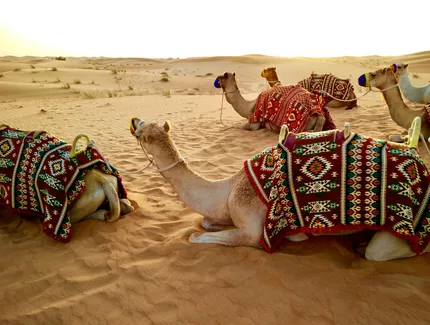
Desert safari with dune bashing and camel riding
A desert safari is one of Dubai's most popular experiences, taking visitors into the Arabian desert for dune bashing in 4x4 vehicles, an exhilarating ride over sand dunes at varying speeds. Camel riding offers a more traditional perspective of the landscape. Most tours also include a Bedouin-style camp with dinner, cultural performances like belly dancing, and activities such as sandboarding and henna painting.
21:00
Traditional Bedouin dinner under the stars in the desert
Experience a traditional Bedouin-style dinner in the Dubai desert, typically set within a decorated camp surrounded by sand dunes. Guests enjoy Arabic cuisine including grilled meats, mezze, and flatbreads while seated on cushioned rugs under the open sky. The evening often includes entertainment such as belly dancing, tanoura performances, and camel rides, offering a glimpse into Emirati heritage and desert culture.
Search for hotels:
This content was created with AI assistance and may contain inaccuracies.