
3 days in Bruges
BelgiumDay #1
Iconic squares, belfry views, canals, and Flemish flavors
15:00
Check in at hotel
16:00
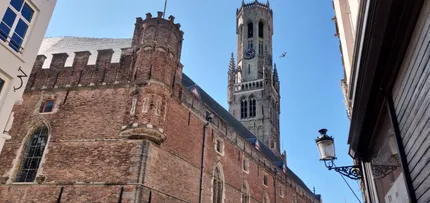
Belfry of Bruges climb and views
Belfry of Bruges (13th-century) climb: ascend 366 narrow, steep steps to the 83 m tower. Along the way pass the historic treasury and clockwork, and hear/see the 47-bell carillon. At the top, enjoy panoramic views over Markt Square, canals, and red-tiled rooftops. No elevator; capacity is limited, so expect queues at peak times.
18:30
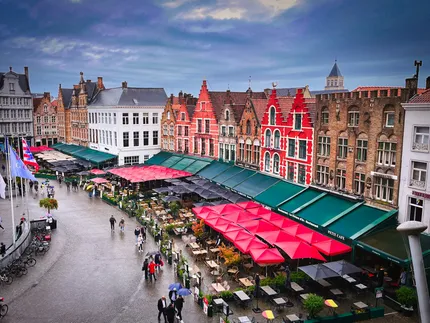
Explore Markt and Burg squares
Bruges’ Markt centers on the 13th‑century Belfry, guildhouse facades, cafés, and horse‑drawn carriages; climb the tower for city views and visit on Wednesday mornings for the weekly market. A few steps away, Burg Square showcases the Gothic Town Hall, Basilica of the Holy Blood, and Renaissance civic buildings. Explore both for architecture, history, and lively street life.
19:30
Dinner: Flemish stew near Markt
Enjoy classic Flemish stew (stoofvlees) near Bruges' Markt: slow-braised beef simmered in Belgian beer with onions, mustard, and herbs, typically served with frites and mayonnaise. Many brasseries around the square serve it; expect hearty portions and moderate prices. Pair with a local ale like Brugse Zot. Reservations help on weekends and holidays.
21:15
Evening beer tasting at 2be Beer Wall
Day #2
Breweries, art, chocolate, and serene parks
08:30
Breakfast at local café
Start your day in Bruges at a neighborhood café around the Markt or along quiet side streets. Expect fresh-baked rolls and pastries, cheese and ham plates, eggs, yogurt, and strong coffee or hot chocolate. Many open early, with terrace seating in good weather. Weekends fill up fast, so arrive early.
09:30
De Halve Maan Brewery tour and tasting
De Halve Maan is Bruges’ historic family brewery, home of Brugse Zot and Straffe Hendrik. Guided tours explain traditional and modern brewing, the on-site museum, and the city’s underground beer pipeline. Tours end with a fresh Brugse Zot tasting in the brewery. A rooftop stop offers panoramic views of the medieval center.
11:00
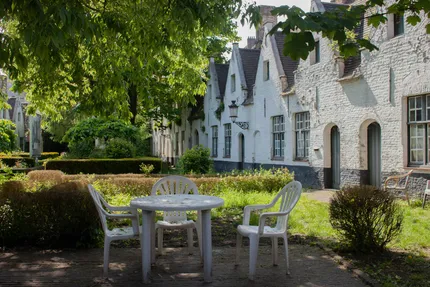
Begijnhof and Minnewaterpark walk
Linking two of Bruges' calmest spots, this short walk starts at the 13th-century Begijnhof (a UNESCO-listed beguinage) with its whitewashed houses and quiet lawn, then continues to Minnewaterpark and the pastoral Lake of Love, home to swans and arched bridges. It's free, serene, and close to the station; remember respectful silence and uneven cobblestones.
12:30
Lunch by Minnewater
14:00
Groeningemuseum art collection visit
Groeningemuseum in Bruges showcases six centuries of Belgian art, with a core collection of Flemish Primitives. Highlights include Jan van Eyck’s Madonna with Canon Joris van der Paele and works by Gerard David. Later rooms cover Renaissance to modern movements, including James Ensor. The museum’s manageable scale suits a concise visit in the historic center.
15:30
Sint-Janshospitaal museum and pharmacy
In Bruges, one of Europe’s oldest hospital complexes, Sint-Janshospitaal (12th century) houses a museum in its former wards, tracing centuries of medical care through instruments, archives, and historic spaces. Highlights include medieval art and works by Hans Memling, notably the St. Ursula Shrine. The adjacent 17th-century apothecary preserves original cabinets, jars, and equipment, with a small herb garden.
17:00
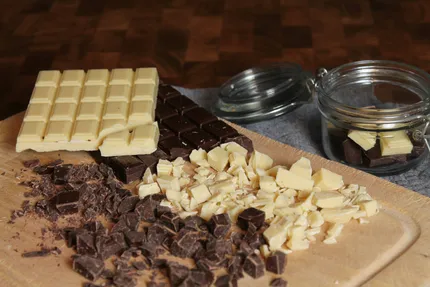
Choco-Story chocolate museum and tasting
Choco-Story Bruges is a museum tracing chocolate from Maya and Aztec origins to Belgian pralines. Exhibits explain cocoa cultivation, processing, tempering and molding, with tools, molds and displays. A chocolatier demonstration shows techniques, and visits conclude with a tasting. Self-guided with multilingual panels; suitable for families, school groups and curious food lovers.
19:30
Dinner in Sint-Anna quarter
Dine in Bruges’ quiet Sint-Anna quarter, a short walk east of the center. Small bistros and brown cafés serve Flemish staples—carbonade flamande, mussels with fries, and seasonal seafood—paired with local beers. Expect a relaxed, local feel near the Jerusalem Chapel and Kruisvest windmills. Reservations are wise on weekends. Some spots offer canalside seating in good weather.
21:00
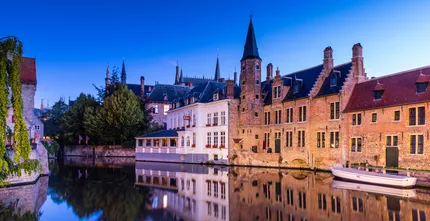
Evening canal reflections photo walk
Capture Bruges’ canals at blue hour on an evening photo walk. Start at Rozenhoedkaai, continue along the Dijver to the Groeninge bridge, and circle Minnewater. Expect illuminated gables and stone bridges mirrored in calm water. Bring a tripod for long exposures, mind cobbles and cyclists, and wait between boat passes for clean reflections.
Day #3
Sacred sites, windmills, and departure
08:30
Breakfast at hotel or café
09:30
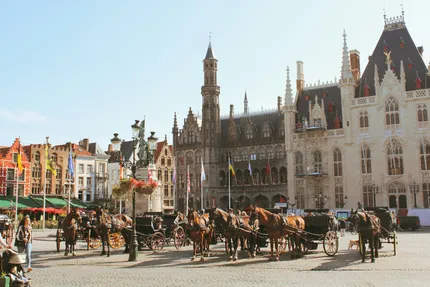
Basilica of the Holy Blood visit on Burg
On Bruges' Burg Square, the Basilica of the Holy Blood houses a revered relic said to contain Christ's blood, brought from the Holy Land in the 12th century. Visit the austere Romanesque Saint Basil's Chapel and the ornate neo-Gothic upper chapel. The relic is displayed for veneration at set times; Ascension Day hosts the famed procession.
10:15
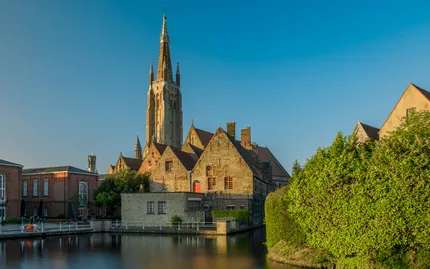
Church of Our Lady and Michelangelo Madonna
Bruges’ Church of Our Lady (Onze-Lieve-Vrouwekerk) features a 115.6‑meter brick tower and houses Michelangelo’s Madonna and Child—the only sculpture by the artist in Belgium. In the museum section, you’ll also see the gilded tombs of Mary of Burgundy and Charles the Bold. Entry to the Madonna/tombs requires a ticket; church access hours vary.
11:30
Windmill walk to Sint-Janshuismolen and Kruispoort
Follow Bruges' eastern ramparts along the green Kruisvest to Sint-Janshuismolen, a historic wooden windmill on its original site, and continue to the medieval Kruispoort city gate. The easy, scenic walk traces the canal, with wide paths, open lawns, and good viewpoints, linking the city's milling heritage to its former fortifications.
12:45

Quick lunch near canal
Head to the canals around Rozenhoedkaai, Dijver, and Groenerei for a quick lunch with views. Grab takeaway from a bakery or frituur (frites, croque, broodjes) on nearby Wollestraat or at Burg/Markt, then eat on benches along the water. Boat traffic adds atmosphere; arrive before noon to avoid crowds and higher-priced terrace menus.